Belgian Teens Face Charges in Kenya for Ant Smuggling Operation
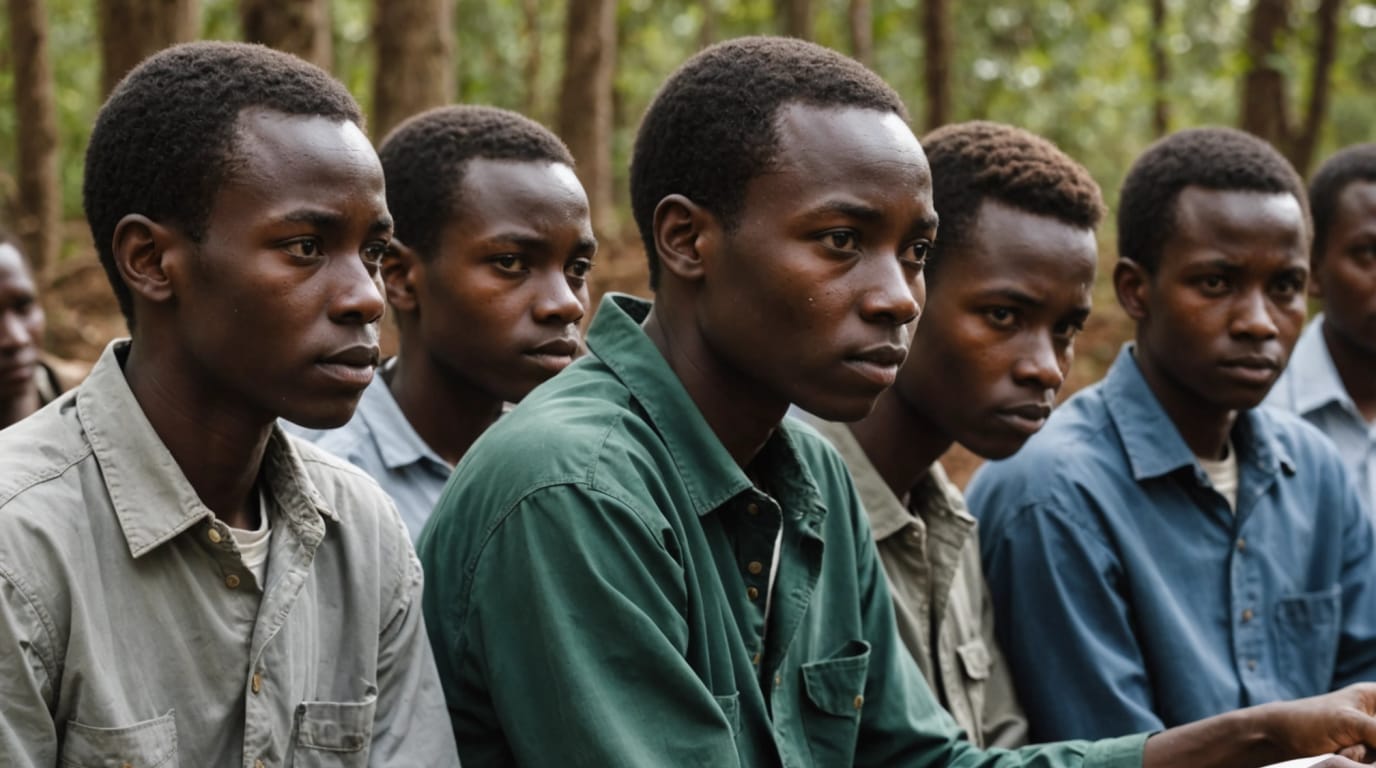
NAIROBI, Kenya – Two Belgian teenagers are facing charges of wildlife piracy in a Kenyan court after being apprehended with thousands of live ants, signaling a concerning shift in wildlife trafficking trends. The case highlights the growing demand for exotic insects in the international pet market and the increasing threat to biodiversity in East Africa.
Arrest at Jomo Kenyatta International Airport
Lornoy David and Seppe Lodewijckx, both 19, appeared in the Jomo Kenyatta International Airport Court in Nairobi on Tuesday after being arrested on April 5th. Kenyan authorities discovered approximately 5,000 ants concealed in their luggage. The ants were meticulously packed in over 2,200 modified test tubes and syringes, each containing cotton wool to ensure their survival during transit.
The two Belgians, accompanied by a Vietnamese national, Duh Hung Nguyen, and a Kenyan citizen, Dennis Ng'ang'a, pleaded guilty to charges of illegal possession and trafficking of live wildlife. Ng'ang'a and Nguyen were apprehended separately in Nairobi with 400 ants in their possession.
"Disturbing Shift" in Trafficking Patterns
The Kenya Wildlife Service (KWS) has expressed serious concern over the case, describing it as a "disturbing shift in trafficking patterns – from iconic mammals to tiny but ecologically vital species." Kenya has historically focused its efforts on combating the trafficking of larger animals such as elephants, rhinos, and pangolins. This case underscores the need to broaden the scope of conservation efforts to include lesser-known but equally important species.
According to the KWS, the seized ants included Messor cephalotes, also known as the Giant African Harvester ant. This species is highly sought after in the exotic pet trade due to its distinctive large size and red color. The illegal export of these ants poses a significant threat to Kenya's biodiversity and could have far-reaching ecological consequences.
Conflicting Accounts and Legal Arguments
During the court proceedings, David and Lodewijckx claimed they were unaware that collecting ants was illegal. They stated they were simply safari rally enthusiasts with a long-standing hobby of collecting ants since childhood. However, authorities suspect the ants were destined for the exotic pet markets in Europe and Asia, where they could fetch a high price.
Adding a surprising twist to the case, the lawyer representing Dennis Ng'ang'a argued that there is no legal basis for considering ants as an endangered species. He further claimed that ants are edible and that no law prohibits their consumption or export. This argument drew laughter in the courtroom, but it also raises questions about the legal framework for protecting insects and other less charismatic species.
Biopiracy and Economic Implications
The KWS views the ant smuggling case as a "landmark in the fight against biopiracy." Biopiracy refers to the exploitation of a country's genetic resources without seeking permission or providing fair compensation. In this instance, the attempted export of Kenyan ant species without consent represents a violation of the country's sovereign rights over its biodiversity.
The illegal wildlife trade has significant economic implications for Kenya. The loss of biodiversity can negatively impact tourism, agriculture, and other sectors that rely on healthy ecosystems. By cracking down on ant smuggling and other forms of wildlife trafficking, the Kenyan government aims to protect its natural resources and ensure sustainable development.
Sentences and Future Implications
The four individuals are currently awaiting sentencing at the Jomo Kenyatta International Airport (JKIA) police station cell. The court is expected to deliver its verdict soon, which will set a precedent for future cases involving the trafficking of insects and other small species.
This case serves as a wake-up call for governments and conservation organizations around the world. It highlights the need to strengthen laws and regulations to protect all forms of wildlife, regardless of their size or perceived importance. It also underscores the importance of raising public awareness about the ecological and economic value of biodiversity and the threats posed by illegal wildlife trade.
The Kenyan government's decisive action in prosecuting the ant smugglers sends a strong message that it is committed to protecting its natural heritage and combating wildlife crime in all its forms. As the global demand for exotic pets continues to grow, it is crucial that countries work together to prevent the exploitation of vulnerable species and ensure the sustainable use of biodiversity.


