Benin Votes for New President Amidst Democratic Concerns and Security Challenges
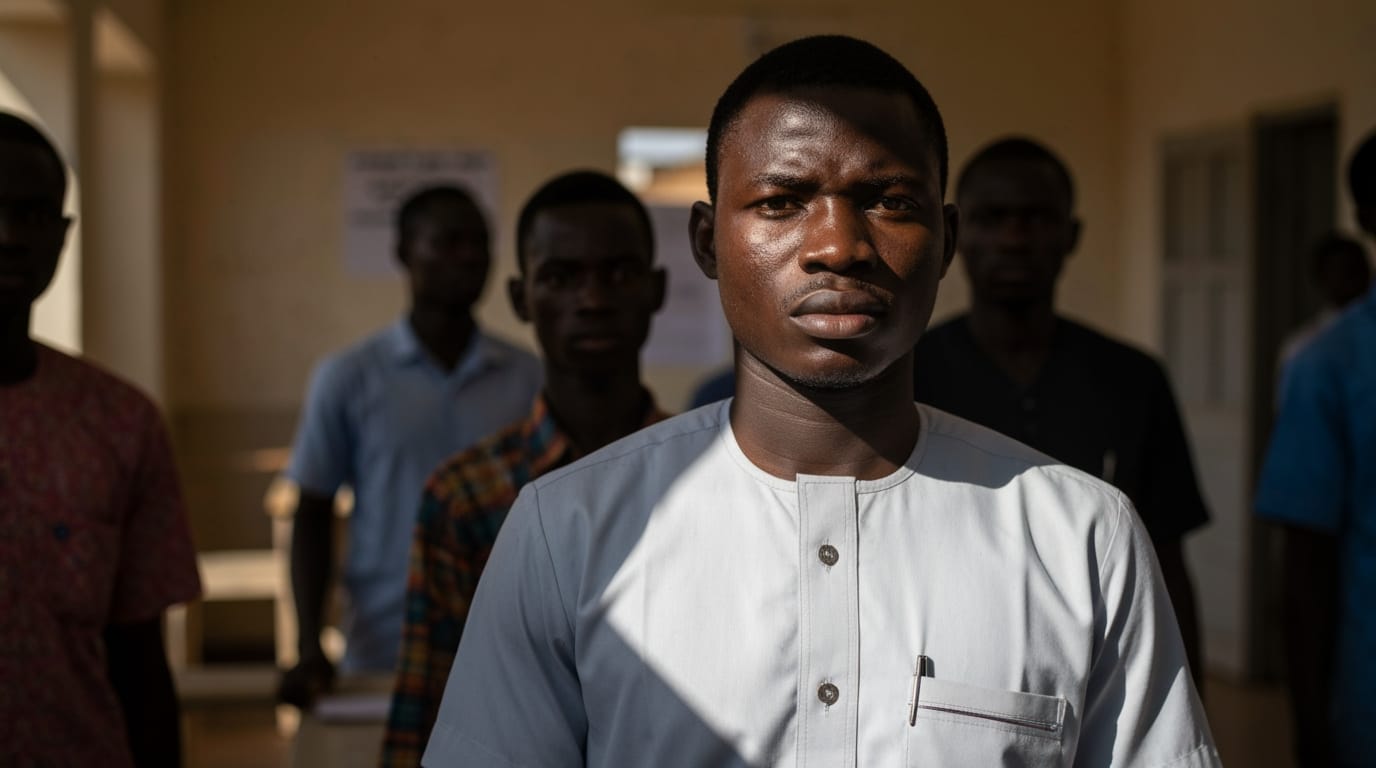
COTONOU, Benin – Voters in Benin headed to the polls today, April 12, 2026, to elect a new president, marking a pivotal moment for the West African nation's democratic trajectory. The election unfolds against a backdrop of evolving political dynamics, a growing jihadist threat in the north, and significant concerns over the narrowing of civic space and the effective sidelining of the main opposition. Outgoing President Patrice Talon, having served two terms, is stepping down, paving the way for a successor in an electoral race that observers suggest heavily favors the ruling coalition's candidate.
This election is seen as a crucial test for Benin, a country once hailed as a beacon of democracy in West Africa. The process has been characterized by reforms that critics argue have tightened the grip of the executive, leading to a reduced number of viable candidates and raising questions about the fairness and inclusivity of the democratic exercise. International observers are closely watching the proceedings, particularly following a failed coup attempt in December 2025 and ongoing regional instability.
The Road to the Polls: A Controlled Succession?
The presidential election follows a series of constitutional and electoral reforms that have reshaped Benin's political landscape. President Patrice Talon, first elected in 2016, had pledged to step down after his second term, honoring the constitutional limit. However, his tenure has been marked by controversial changes, including a constitutional amendment in November 2025 that extended presidential and legislative terms from five to seven years and introduced a Senate, partly appointed by the president.
The ruling coalition, comprising the Progressive Union for Renewal (UPR) and the Republican Bloc (BR), has put forward Romuald Wadagni, the 49-year-old Minister of Finance, as its candidate. Wadagni, who has served as finance minister for a decade, is widely viewed as President Talon's anointed successor and is campaigning on a platform emphasizing economic growth, a sector where Benin has seen considerable success, with a 7% growth rate last year and projections of 7.1% from 2025 to 2027.
The opposition field, conversely, has been significantly constrained. Paul Hounkpè, a former Culture Minister representing the Cowry Forces for an Emerging Benin (FCBE), stands as the sole opposition candidate on the ballot. Notably, Renaud Agbodjo, leader of the main opposition party, The Democrats, was barred from competing after failing to secure the required number of parliamentary endorsements. Critics assert that this requirement, along with other electoral thresholds, was designed to exclude genuine opposition, effectively creating an uneven playing field. This move follows the January 2026 parliamentary elections, where the ruling coalition's allied parties secured all 109 seats, further marginalizing opposition representation.
Electoral System and Deepening Concerns
Benin’s presidential election operates under a two-round system, requiring a candidate to secure an absolute majority of votes (50% plus one) in the first round for an outright victory. Should no candidate achieve this, a second round will be held on May 10 between the top two contenders. Nearly 8 million people are registered to vote across more than 17,000 polling stations both within Benin and abroad.
However, the electoral process has been plagued by concerns from various stakeholders. Civil society organizations have intensified calls for amendments to electoral laws, arguing that current regulations, such as mandatory national coverage for parties and high financial thresholds, unjustly disadvantage independent candidates and smaller opposition movements. The perceived lack of genuine competition has led to fears of low voter turnout, a pattern observed in the January 2026 parliamentary elections which saw only 36% participation. Many voters, such as Roch Gbenou, a civil servant in Cotonou, express skepticism, believing the election will merely legitimize a predetermined outcome.
International observers from the Economic Community of West African States (ECOWAS) and the African Union (AU) have deployed missions to monitor the election. These missions have noted a "situation of latent political tension" and voiced concerns regarding successive unilateral reforms that have restricted civic space and drastically reduced the number of political parties. These concerns are compounded by reports from human rights organizations like Amnesty International, highlighting arbitrary detentions, tight restrictions on public demonstrations, and pressure on independent media outlets, which have led to a shrinking civic space.
Key Issues for the Electorate
Beyond the mechanics of the vote, several critical issues resonate with the Beninese electorate. The economy, a strong point of the outgoing administration, remains a central campaign theme for Romuald Wadagni, who highlights his role in fostering consistent growth. His agenda includes proposals for easing access to microcredit and continuing economic transformation.
Conversely, Paul Hounkpè has focused his campaign on addressing the rising cost of living and advocating for the release of political prisoners, issues that resonate with a segment of the population concerned about economic disparity and political freedoms.
Security is another paramount concern for voters, particularly in the northern regions. Benin has been grappling with a growing jihadist insurgency, with spillover violence from neighboring Burkina Faso and Niger. This threat, which led to a failed coup attempt in December 2025, underscores the fragility of regional stability. The strained relations with Niger, including border closures, have further exacerbated economic challenges for border communities, making improving regional security and diplomatic ties a critical task for the incoming president.
International Scrutiny and Regional Implications
The international community is keenly observing Benin's election, particularly given the recent spate of military takeovers in other West African nations. Observers from ECOWAS and the AU have arrived in Cotonou to monitor the electoral process, emphasizing the need for a peaceful, credible, and transparent election that respects the will of the people. Their presence aims to safeguard regional democratic standards during this significant political transition.
However, international bodies have also expressed unease regarding the state of democracy in Benin. Representatives from the U.S. House Foreign Affairs Committee have called for a free and fair election, urging leaders to uphold the rule of law and allow citizen observers to operate without hindrance. They warn that failing to do so could undermine Benin's hard-fought democratic gains. The perception that the political system has been weaponized to exclude opponents and centralize power in the executive remains a significant point of international concern.
Conclusion: A Critical Juncture for Benin’s Democracy
As polling stations close across Benin, the nation stands at a critical juncture. While President Patrice Talon's decision to abide by term limits is seen by some as a positive sign amidst regional trends of leaders seeking to extend their stay in power, the electoral process itself has drawn criticism for restricting genuine political competition. The election of a new president today will not only determine Benin’s leadership for the next seven years but will also profoundly impact its democratic future, its response to pressing security challenges, and its standing within the West African region. The results, expected within 48 hours, will be scrutinized both domestically and internationally, shaping perceptions of Benin's commitment to inclusive governance and democratic principles.


