Peru's Political Crossroads: A Fragmented Electorate Heads Towards Uncertain Runoff
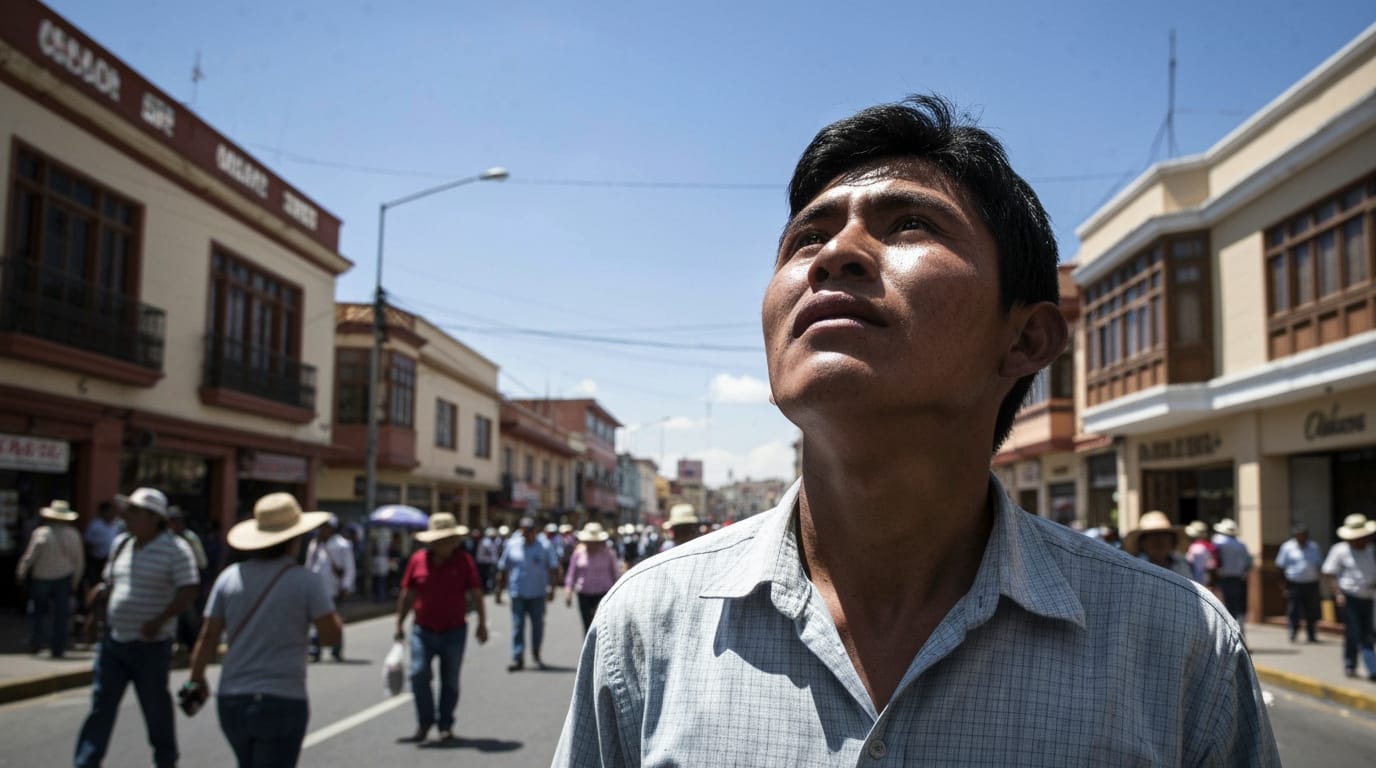
LIMA, Peru – Peruvians cast their ballots Sunday in a presidential election marked by an unprecedented field of candidates and the near certainty of a second-round runoff, reflecting a deeply fragmented political landscape and widespread voter disillusionment. With more than 30 presidential hopefuls vying for leadership, none are expected to secure the over 50% of the vote needed for an outright victory, setting the stage for a tense head-to-head contest on June 7. This election unfolds against a backdrop of profound political instability, with the nation having cycled through eight presidents in the last decade, and voters grappling with persistent concerns over soaring crime rates and systemic corruption.
The Crowded Race and the Inevitable Second Round
The 2026 general election has been characterized by a historically crowded ballot, presenting voters with a choice from 35 presidential candidates, alongside contenders for a newly reinstated bicameral Congress. This expansive field has predictably diluted the vote, making a first-round decisive win highly improbable for any single contender. Political analysts and polling firms alike concur that the country is headed for a runoff, likely on June 7, where the top two vote-getters will face off. As of recent polls, conservative Keiko Fujimori, making her fourth bid for the presidency, has consistently held a narrow lead. However, her support remains well below the 50% threshold, and she faces considerable challenges, including a high disapproval rating that hovers between 70% and 80%.
Trailing Fujimori is a tight cluster of diverse candidates, each commanding single-digit support, complicating predictions for who will secure the crucial second spot in the runoff. Among these are Ricardo Belmont, an 80-year-old media mogul and former Lima mayor, whose anti-establishment message has resonated with some voters, and Rafael López Aliaga, an ultra-conservative businessman often compared to Donald Trump, known for his tough stance on crime. The race also includes Carlos Álvarez, a comedian focusing on a strict crime-fighting message, centrist Alfonso López Chau, and leftist Roberto Sánchez. The high degree of voter indecision, with nearly two-thirds of the electorate reportedly open to changing their minds, adds another layer of unpredictability to an already volatile contest.
Voter Discontent and Core Issues Driving the Election
At the heart of the current electoral climate is a deep-seated public dissatisfaction stemming from years of political turmoil. Peruvian voters are primarily driven by concerns over public safety and rampant corruption. The fight against crime, fueled by increasing homicide and extortion rates linked to drug trafficking and illegal mining, tops the agenda for most citizens. Candidates across the political spectrum have responded by proposing enhanced military involvement in domestic security and advocating for stricter measures.
Corruption remains a pervasive issue, with a history of former presidents facing jail time or investigations for bribery, further eroding public trust in institutions. This distrust extends to the legislative body, with approximately 90% of Peruvians expressing disapproval of Congress. The political fragmentation is not merely a symptom of a wide candidate pool but also a reflection of this profound institutional fatigue and a widespread belief that politicians have failed to address the needs of the people.
A Decade of Instability and Institutional Reforms
Peru's recent political history has been characterized by a rapid succession of leaders, with nine presidents holding office in the last decade alone, largely due to frequent impeachment proceedings driven by a powerful Congress. This instability has weakened governance and left many Peruvians yearning for a period of stability. In an effort to counter this cycle, significant constitutional reforms are set to take effect on July 29, including the reintroduction of a bicameral legislature. This new Congress will comprise a 60-member Senate and a 130-member Chamber of Deputies, replacing the unicameral system that has been in place for more than three decades.
Proponents of the bicameral system argue it will strengthen checks and balances and potentially reduce political fragmentation, while critics warn of potential legislative gridlock. The electoral process itself has become more complex, with a "supersized" ballot measuring 16.5 by 17.3 inches, requiring voters to navigate choices for president, two vice presidents, five representatives to the Andean Parliament, and members of both legislative chambers.
Geopolitical Implications and the Road Ahead
Beyond domestic challenges, Peru's election carries significant geopolitical weight. The United States has expressed concerns over China's expanding influence in the region, particularly in Peru's critical mining sector and port infrastructure. As a major producer of copper and other strategic minerals, Peru's political trajectory is closely watched by international powers. The outcome of this election, and particularly the composition of the new Congress, could impact the country's alignment in a shifting global landscape.
With polling stations closing and preliminary results anticipated, the focus will soon shift to the two candidates who emerge from this highly contested first round. The ensuing runoff campaign will be crucial in defining Peru's path forward, as the nation seeks to break free from a cycle of political upheaval and address the pressing concerns of its citizens. The electorate's ultimate decision will not only determine the next president but also set the tone for the country's institutional stability and its role on the international stage.


