Easter Truce Shattered: Ukraine and Russia Accuse Each Other of Widespread Violations Amidst Holiday Observances
KYIV/MOSCOW – A 32-hour Orthodox Easter ceasefire, intended to bring a momentary pause to the devastating four-year conflict, instead descended into a familiar cycle of mutual accusations and reported hostilities, as both Ukraine and Russia alleged thousands of violations just hours after the truce was meant to take effect. The fragile holiday ceasefire, which began late Saturday, April 11, and was scheduled to conclude at midnight on Sunday, April 12, offered little respite from the intense fighting that has characterized the ongoing war, underscoring the deep distrust and entrenched positions of the warring nations.
The Orthodox Christian holiday, a time traditionally marked by solemn reflection and calls for peace, found leaders in Kyiv and Moscow observing religious rites while their militaries traded accusations of sustained aggression across the front lines. Ukrainian President Volodymyr Zelenskyy had earlier advocated for a holiday ceasefire, with Russian President Vladimir Putin subsequently declaring a temporary halt to hostilities. However, the hopes for a tranquil Easter quickly faded as reports of shelling, drone attacks, and assaults emerged from both sides, casting a long shadow over the sacred observance.
A Truce on Paper: Declarations and Disbelief
The declaration of a 32-hour ceasefire by Russian President Vladimir Putin on Thursday, April 9, followed earlier overtures from Ukrainian President Volodymyr Zelenskyy for a pause in the fighting to honor Orthodox Easter. Putin's decree, issued from the Kremlin, ordered Russian forces to cease combat operations from 4 p.m. Saturday until the end of Sunday, framed as a "humanitarian gesture". While Ukraine had consistently expressed readiness for such a reciprocal step, Zelenskyy swiftly warned that any violations would be met with an immediate military response, highlighting a pervasive skepticism regarding the sincerity and enforceability of such agreements.
This latest attempt at a temporary cessation of hostilities unfolded against a backdrop of numerous failed ceasefire initiatives throughout the four-year war. Moscow had previously rejected several Ukrainian proposals for truces, and a unilaterally declared ceasefire by Russia last Easter was also widely reported to have been breached. Consequently, the announcement of this year's Easter truce was met with widespread apprehension, with many civilians and observers expressing doubt that the fighting would truly subside. The inherent distrust between the two nations continued to undermine any potential for a genuine and lasting pause in the conflict, even for a religious holiday.
A Barrage of Accusations: Thousands of Reported Violations
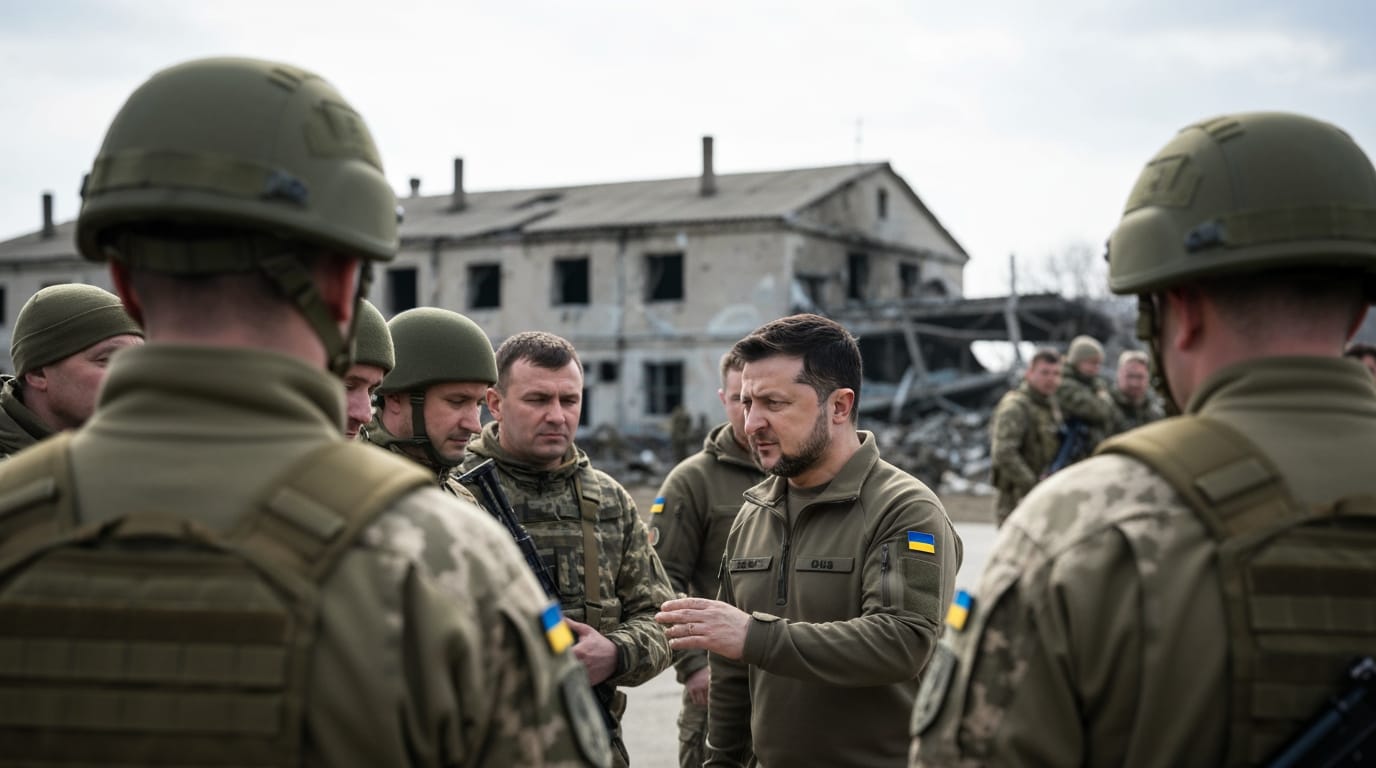
As the ceasefire was meant to be observed, both Ukrainian and Russian authorities reported a staggering number of alleged breaches, painting a grim picture of continued warfare. Ukraine’s General Staff announced a total of 2,299 ceasefire violations by Russia by 7 a.m. on Sunday, April 12. These allegations included 28 enemy assault actions, 479 shelling incidents, 747 strikes by attack drones, and 1,045 strikes by FPV (First Person View) drones. Ukrainian officials also reported that two civilians were wounded in a Russian drone attack in the Kharkiv region, further underscoring the immediate human cost of the faltering truce. President Zelenskyy himself explicitly accused Russia of creating a "false appearance" of honoring the ceasefire, stating that Russian artillery fire had not subsided in several front-line sectors. A Ukrainian soldier on the front line in Zaporizhzhia reported persistent Russian reconnaissance drone activity, hindering efforts to retrieve fallen troops.
Conversely, Russia’s Defense Ministry countered with its own set of accusations, claiming nearly 2,000 violations by Ukrainian forces within the first 16 hours of the ceasefire. These alleged breaches encompassed 258 instances of artillery or tank shelling, 1,329 FPV drone strikes, and 375 cases of munitions being dropped by drones. Russia also reported civilian casualties, with a child allegedly injured in a Ukrainian drone attack in the Kursk border region and two individuals killed by Ukrainian shelling in the Belgorod region, according to the regional governor. The sheer volume of reported incidents from both sides highlighted the intense and pervasive nature of the conflict, demonstrating that even a declared pause could not fully halt the hostilities. Independent verification of these numerous claims proved challenging amidst the ongoing war, making it difficult to ascertain the full extent and attribution of every alleged violation.
Sacred Observances Amidst Profane Conflict
Despite the tumultuous situation on the front lines, leaders of both nations participated in Easter observances, albeit with messages reflecting their divergent perspectives on the conflict and the truce. In Moscow, President Vladimir Putin attended the Orthodox Easter service at the Cathedral of Christ the Saviour, a traditional observance that offered a public display of his leadership during a sacred time. He also extended gratitude to Orthodox Patriarch Kirill for his steadfast support of those involved in Russia's military campaign, which Moscow continues to refer to as a "special military operation". Kremlin spokesman Dmitry Peskov reiterated Moscow's stance, emphasizing that the truce was merely a "humanitarian gesture" and that Russian forces would resume fighting once it expired. Peskov further linked the continuation of military operations to Ukraine's acceptance of Russia's terms, stating that the "special military operation will continue after the truce expires" unless Zelenskyy demonstrates the courage to accept these "well-known solutions".
In Ukraine, President Zelenskyy, while not explicitly detailing his personal observances, reiterated his nation's commitment to the ceasefire and expressed a desire for its extension beyond the holiday. He emphasized the need for "an Easter without threats and a real move towards peace". Across Ukraine, thousands of Orthodox Christians gathered to celebrate Easter, particularly in cities like Kyiv and Kharkiv. Worshippers clustered outside churches for the traditional blessing of baskets, carrying dyed eggs and paska cakes, often amidst a palpable sense of apprehension and skepticism about the truce's efficacy. Many voiced profound doubts, with one Kyiv resident noting that "Every time a ceasefire is announced for a holiday, the shelling continues regardless," reflecting a widespread sentiment of weariness and distrust regarding such temporary pauses.
A Brief Glimmer: Prisoner Exchange Offers Hope
Amidst the renewed hostilities and accusations, a rare moment of humanitarian progress emerged on Saturday, April 11, with a prisoner exchange between the warring parties. Both Ukraine and Russia confirmed the exchange of 175 prisoners of war each, a move that offered a brief glimmer of hope amidst the otherwise grim landscape. President Zelenskyy announced that Ukraine had brought home 175 servicemen and seven civilians, many of whom had been in Russian captivity since 2022. Russia's Defense Ministry also confirmed the return of its personnel and civilians, acknowledging the United Arab Emirates as a mediator in the exchange.
Such prisoner swaps have been among the few concrete results to emerge from the stalled peace talks between Ukraine and Russia, providing a crucial mechanism for humanitarian relief even as broader diplomatic efforts remain gridlocked. This exchange underscored the complex realities of the conflict, where moments of cooperation on humanitarian grounds can occur even as military confrontation persists unabated. However, this limited success did little to stem the flow of mutual accusations regarding the Easter ceasefire violations, highlighting the chasm that still exists between tactical pauses and a genuine pathway to peace.
Enduring Distrust and the Road Ahead
The Orthodox Easter truce of 2026, much like its predecessors, proved to be a fleeting and largely symbolic gesture, unable to silence the guns of war. The thousands of alleged violations reported by both Ukraine and Russia within hours of its commencement underscore the profound lack of trust and the deep-seated nature of the conflict. While leaders offered holiday messages and participated in religious services, the reality on the ground remained one of continuous fighting and human suffering. The humanitarian gesture of a prisoner exchange, though significant for those directly impacted, stands as an isolated positive development against a backdrop of enduring aggression. As the conflict enters its fifth year, the events surrounding this Easter truce serve as a stark reminder that true peace remains elusive, requiring not just temporary pauses, but fundamental shifts in strategy and a genuine commitment to de-escalation that has yet to materialize from either side.