Berlin Faces Unprecedented Water Scarcity Amid Relentless Heat
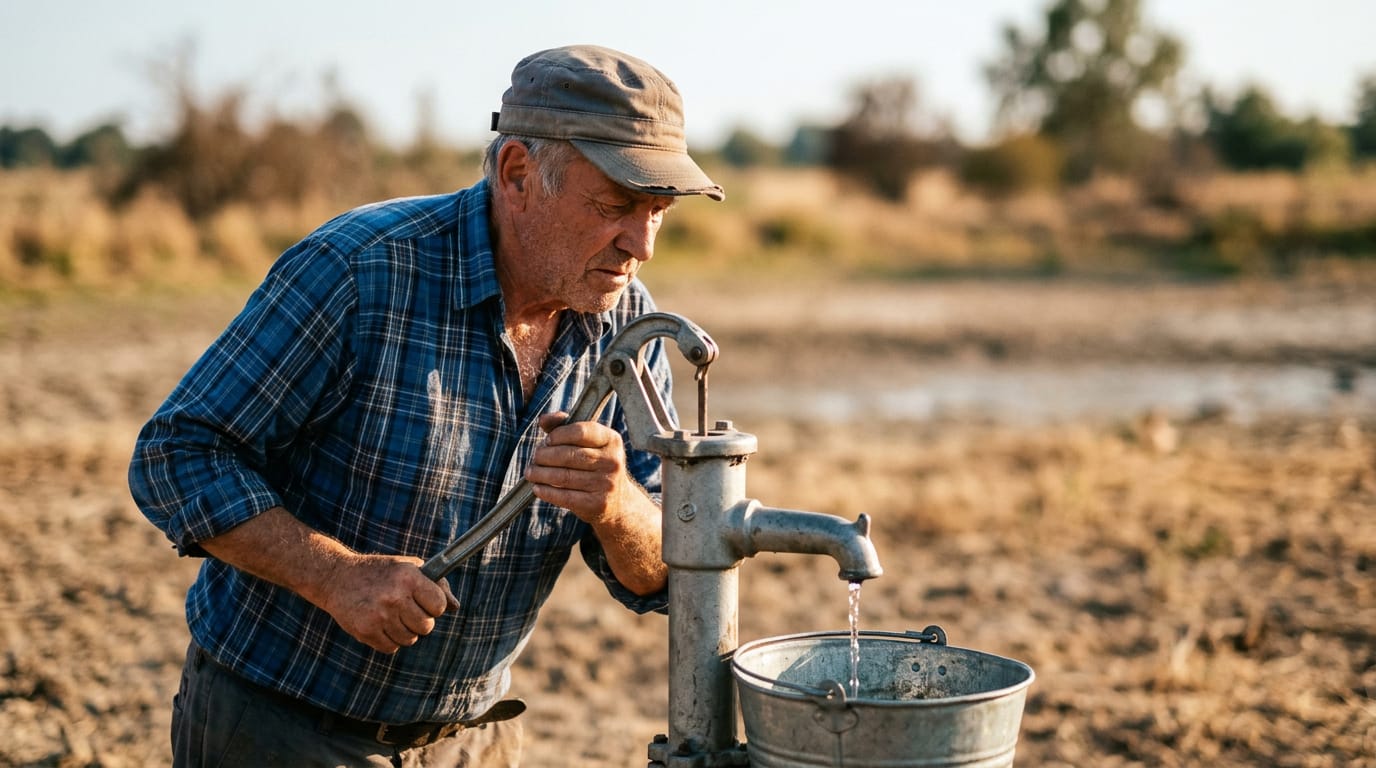
Berlin, Germany – As scorching temperatures continue to grip the region, the capital city of Berlin and its surrounding state of Brandenburg are confronting a deepening water crisis, threatening both urban life and the delicate ecosystems of one of Germany's driest areas. Prolonged periods of extreme heat and insufficient rainfall have led to critically low groundwater levels and diminishing surface water bodies, prompting urgent calls for action and sparking concerns over long-term water security.
The confluence of climate change, increasing demand, and historical hydrological alterations has placed the region's water supply under severe stress. While Berlin, a metropolis of nearly four million people, uniquely relies almost entirely on groundwater, the very source sustaining its population is now dwindling, necessitating a re-evaluation of water management strategies and a collective effort to conserve this vital resource.
The Thirsty Capital: A Unique Vulnerability
Berlin's water infrastructure stands apart from many other major European cities. Instead of drawing from reservoirs or diverse river sources, the city depends on groundwater, which is naturally replenished through a process known as bank filtration. Water from the Spree and Havel rivers, along with surrounding lakes, seeps through layers of sand and gravel, undergoing natural purification before being extracted and treated for consumption. This system has historically provided clean and safe drinking water, but recent years have revealed its vulnerabilities. Josefine Filter of Berliner Wasserbetriebe noted that the past five dry years have already pushed the system to its limits, indicating a significant shift from business as usual.
The interconnectedness of surface water and groundwater in the Berlin-Brandenburg region means that falling river and lake levels directly impact the subterranean reserves. Many shallow aquifers, crucial for retaining water in the landscape, possess low storage capacity and are highly susceptible to both human extraction and climate fluctuations.
Climate's Grip and Mining's Legacy: Driving the Scarcity
The current water scarcity is a multifaceted problem, largely driven by an intensifying climate crisis. Berlin-Brandenburg is experiencing more frequent and severe heatwaves, extended dry spells, reduced winter precipitation, and increased evaporation rates. These climatic shifts have led to Germany losing an estimated 60 billion cubic meters of water over the past 25 years, with economic repercussions projected to reach 25 billion euros annually and 625 billion euros by 2050 if mitigation efforts are not escalated.
Adding to this climatic pressure is a significant upcoming change in the region's water balance: the planned phase-out of lignite coal mining in Lusatia by 2038. For decades, the Spree River has received substantial artificial inflows from groundwater pumped out during mining operations. Experts warn that the cessation of this practice will drastically reduce the Spree's water flow, potentially by up to 75% during dry summers, leading to even lower water levels and severe ecological consequences for the river system that feeds Berlin's groundwater. The straightening of the Spree river in the past has also contributed to the problem by eliminating natural buffer zones and accelerating water flow towards the sea, bypassing natural retention.
Growing Demand and Competing Interests
Compounding the environmental factors is the escalating demand for water. Population growth in Berlin and surrounding communities, coupled with increased consumption during hot periods, places additional strain on an already stressed system. Furthermore, industrial expansion in Brandenburg, including large-scale facilities like Tesla and Red Bull factories, has introduced new layers of competition for scarce water resources. In one stark example from the Brandenburg town of Baruth, 92% of the local waterworks' permitted groundwater withdrawal is reserved for Red Bull, leaving only 8% for local drinking water supply, a situation that has raised significant concern among residents and scientists alike. These industrial water rights often date back to the 1990s, when climate change and water scarcity were far less pressing concerns.
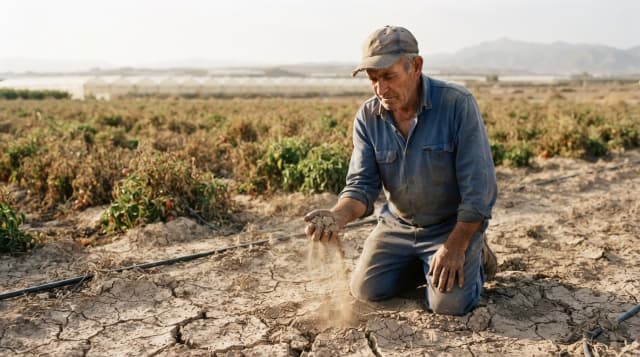
The visible impacts are widespread: groundwater levels in parts of Brandenburg have fallen by as much as two meters over the last two decades, and many local lakes are visibly shrinking. The Spree River itself has exhibited alarmingly low levels, prompting Brandenburg authorities to implement low-water management plans, including closing locks and preparing for potential bans on surface-water withdrawals. The declining water availability also places immense pressure on agriculture and forestry, with reports of wilting plants and increased conflicts over water usage among various sectors.
Pathways to Resilience: Innovation and Adaptation
Recognizing the gravity of the situation, both state and municipal authorities are implementing and planning comprehensive measures to secure the region's water future. The Berlin Senate has introduced a "Masterplan Water," comprising 32 strategic initiatives aimed at protecting the city's long-term water supply. Berliner Wasserbetriebe (BWB), the public utility, is investing approximately 6 billion euros in renovating groundwater wells, improving wastewater treatment, and drilling new wells to increase extraction capacities.
A key focus is on transforming Berlin into a "sponge city," embracing decentralized solutions like retention soil filters, graywater recycling, rainwater harvesting, and constructing large underground storage basins to manage stormwater more effectively and reduce combined sewer overflows. Advanced treatment processes like ozonation are also being explored to allow for the easier reuse of treated wastewater, adding flexibility to the city's supply.
Academics and researchers are contributing to these efforts. The interdisciplinary project SpreeWasser:N, coordinated by Irina Engelhardt of TU Berlin, is researching methods for artificial groundwater recharge and developing strategies for better water distribution and protection in Berlin and Brandenburg. Recommendations from the Leibniz Institute of Freshwater Ecology and Inland Fisheries (IGB) emphasize integrated land and water management, including adapting land use, increasing landscape diversity, and rewetting moors and wetlands to better retain water.
Both Berlin and Brandenburg are collaboratively developing a joint Water Strategy 2050 to address regional conflicts over water use and adapt to the ongoing impacts of climate change. At a national level, the German government launched the Low Water Information System (NIWIS) in July 2026, a nationwide platform to monitor water levels and inform management decisions.
A Shared Responsibility
While large-scale infrastructure projects and policy changes are underway, public engagement remains crucial. Authorities have urged citizens to contribute to water conservation, even calling on residents to water street trees during dry periods.
The intensifying water scarcity around Berlin is a stark reminder of the escalating environmental challenges brought by climate change. It underscores the necessity of proactive, integrated water management, technological innovation, and collective responsibility to safeguard this fundamental resource for future generations. The coming years will be critical in determining whether Berlin and Brandenburg can successfully navigate this deepening crisis and emerge with a more resilient and sustainable water future.