Berlin Mayor Under Fire for Tennis Match Amid City-Wide Blackout
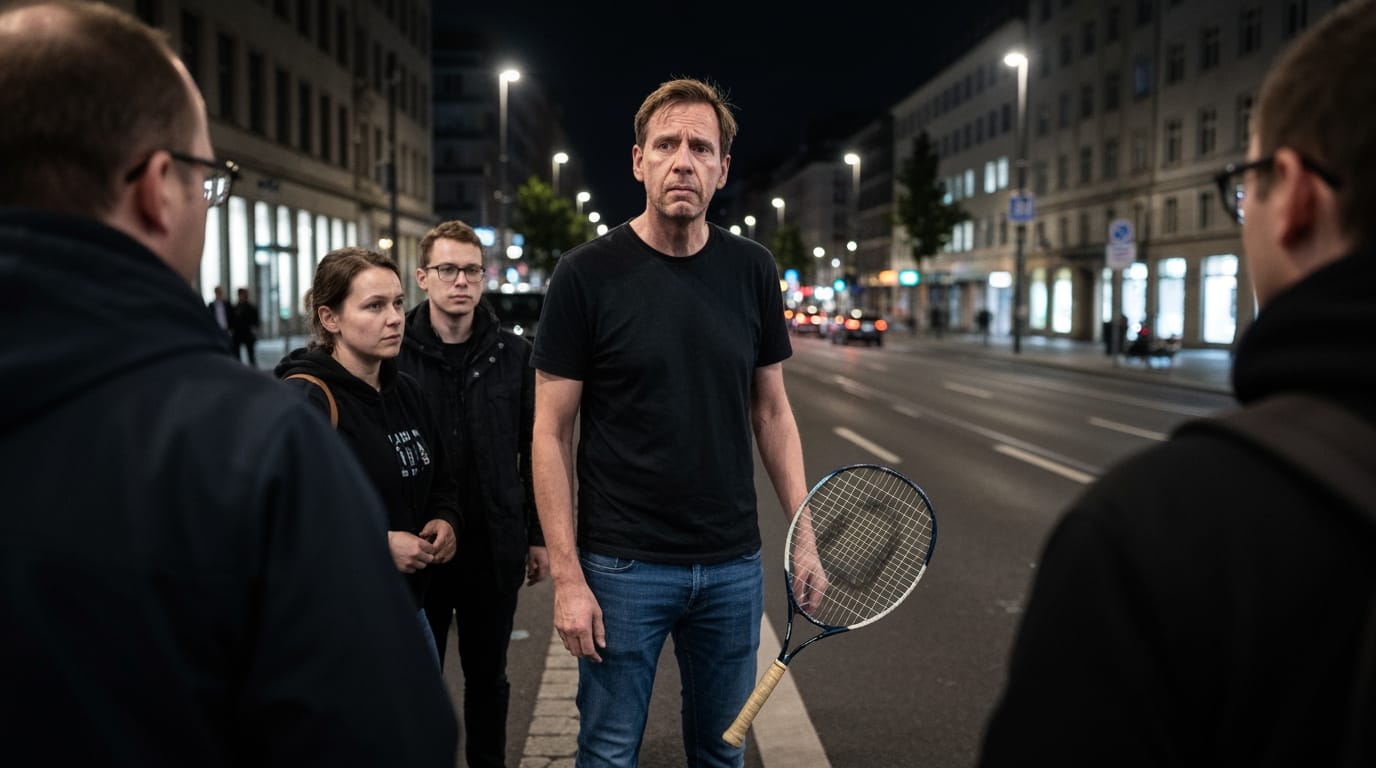
Berlin Mayor Kai Wegner is facing a torrent of criticism following revelations that he played tennis during a widespread power outage that plunged tens of thousands of households into darkness and freezing temperatures earlier this month. The incident, stemming from a suspected arson attack on critical infrastructure, has ignited a fierce debate over leadership conduct during emergencies and trust in public officials. Political opponents and even members of his own coalition have accused Wegner of poor judgment and misleading the public, deepening a political scandal that continues to unfold in the German capital.
The Darkness Descends: Sabotage and Widespread Disruption
The crisis began on January 3, 2026, when a suspected arson attack targeted a cable bridge near the Lichterfelde power plant in Berlin's southwest. The coordinated act of sabotage led to a massive power failure, affecting an estimated 45,000 households and 2,200 businesses. Around 100,000 residents were left without electricity, heating, or phone service as temperatures hovered below freezing. This blackout was described as the largest in decades and one of the longest the city has experienced since the end of World War II.
A left-wing extremist group, identified as "Vulkangruppe," claimed responsibility for the attack. In a statement, the group articulated its motivation as a protest against fossil fuel energy use and the burgeoning demand created by AI data centers, framing the act as a strike against the "ruling class." The widespread disruption impacted critical services, including hospitals, care homes for the elderly, and public transport, highlighting the vulnerability of the city's essential infrastructure. Power was gradually restored over five days, with all subscribers back online by the end of the fifth day. Tragically, an 83-year-old woman was found dead in her home during the outage, though authorities have yet to confirm if her death was directly linked to the lack of power.
The Mayor's Racket: A Game Amidst Crisis
Amidst the unfolding emergency, Governing Mayor Kai Wegner, a member of the conservative Christian Democratic Union (CDU), found himself at the center of controversy. On January 4, during a news conference, Wegner initially stated that he had spent the entire first day of the crisis at home and in his office, coordinating the city's response by phone. However, this account was contradicted by a report from German public broadcaster RBB, which revealed that Wegner had played tennis between 1 p.m. and 2 p.m. on January 3, the very day the blackout began.
Following the report, Wegner confirmed to Welt TV that he had indeed played tennis. He defended his actions by explaining that the brief session was intended to "clear his head" after numerous phone calls and that he remained reachable by phone throughout. He stated he returned home immediately afterward to continue coordinating relief efforts. It was later revealed that his tennis partner was his live-in partner and Education Senator, Katharina Günther-Wünsch, also from the CDU. Wegner's office maintained that his engagement helped expedite the restoration of electricity, which was achieved a day and a half earlier than initially projected.
Political Storm: Criticism and Calls for Accountability
The revelation of the mayor's tennis match sparked an immediate and intense backlash from across the political spectrum. Critics rapidly seized on the discrepancy between Wegner's initial statements and the confirmed reports, fueling accusations of a lack of leadership and an attempt to mislead the public. Werner Graf, the Green Party faction leader, publicly questioned the mayor's priorities during a time of widespread emergency.
Even within Wegner's own governing coalition, the Social Democratic Party (SPD) voiced strong disapproval. Steffen Krach, the designated SPD state chairman, publicly deemed the mayor's actions "unacceptable and unworthy," challenging whether Wegner had been truthful with Berliners about his whereabouts during the initial hours of the crisis. Maximilian Schirmer, a politician from the Left Party, went further, suggesting that anyone who prioritizes playing tennis over being with people in their "greatest hour of need" should reconsider their position. Calls for Wegner's resignation quickly emerged from opposition parties. Critics also pointed out that Wegner did not visit the affected neighborhoods on the first day of the outage, choosing instead to work from his home and office, thereby missing an opportunity to demonstrate symbolic leadership on the ground.
Broader Implications: Trust, Infrastructure, and Future Governance
The controversy surrounding Mayor Wegner's tennis game has transcended a mere discussion of personal time versus public duty, evolving into a broader examination of public trust in political leadership during times of crisis. The conflicting accounts and the perception of a lack of empathy have potentially eroded confidence among citizens who endured days without essential services in sub-zero temperatures. The incident comes ahead of a state election in Berlin, where such events can significantly impact public perception and political fortunes.
Beyond the immediate political fallout, the blackout has intensified discussions about the vulnerability of critical infrastructure. Berlin's Senator for Economic Affairs, Franziska Giffey (SPD), indicated that measures such as increased video surveillance, potentially enhanced by artificial intelligence for heat detection, are being considered to better protect vital systems. The crisis has underscored the need for robust emergency preparedness and transparent leadership, with observers noting that the incident exposed several weaknesses in the city's systems.
As Berlin moves forward, questions linger regarding the long-term impact on Mayor Wegner's political standing and the broader implications for how city officials manage and communicate during future emergencies. The incident serves as a stark reminder of the delicate balance between a leader's personal life and the unwavering expectations of public accountability, especially when their constituents are facing hardship.


