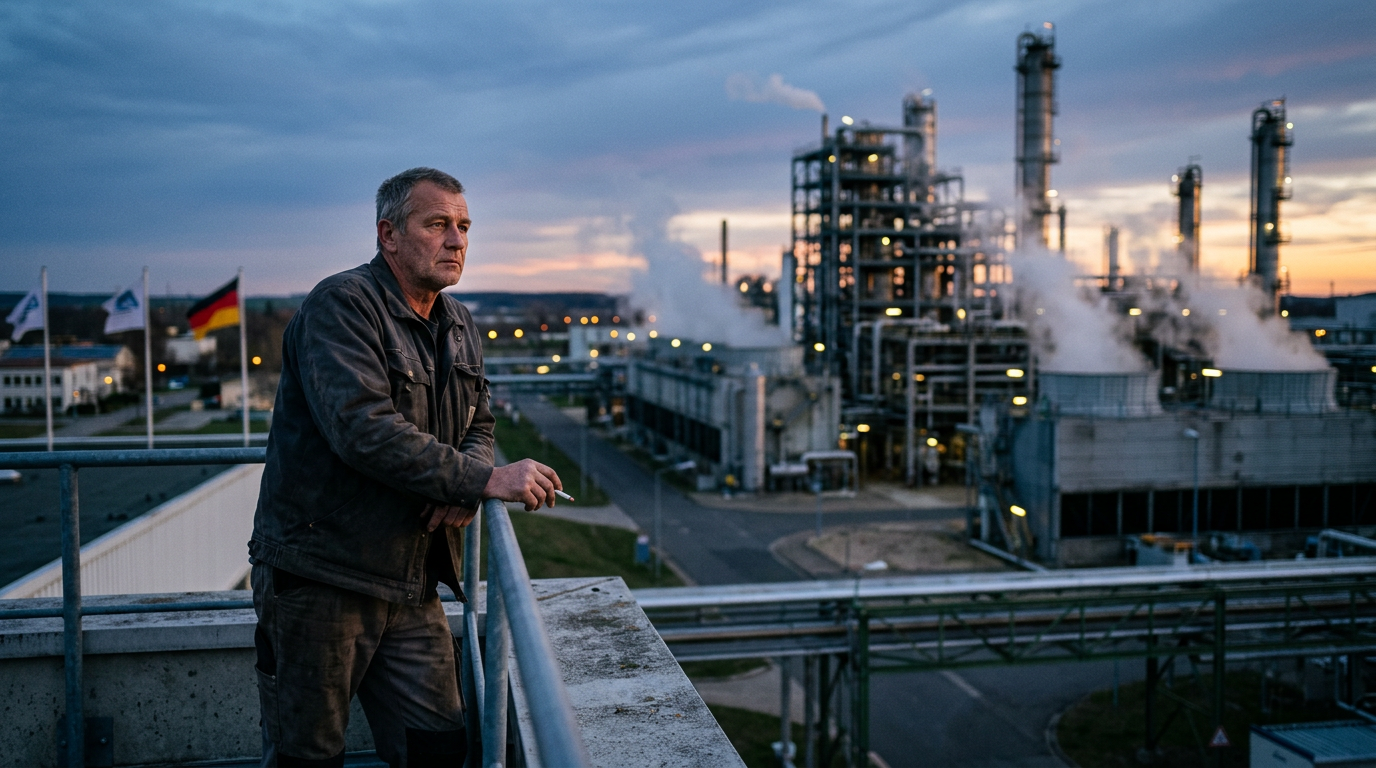
Berlin Pride Attack Ignites Fierce Political Debate Over Security and Integration

BERLIN – A suspected Islamist terror attack near Berlin's annual Christopher Street Day (CSD) Pride parade on Saturday evening has plunged Germany into profound shock and ignited a fierce political debate over national security, immigration policies, and the effectiveness of current integration strategies. The assault, which left one woman dead and 29 injured, including several critically, saw a 21-year-old German citizen of Lebanese descent ram a van into a crowd before attacking pedestrians with a bladed weapon. The incident has drawn widespread condemnation and renewed scrutiny on the nation's approach to extremism.
The alleged attacker, Abdul Ballout, who was known to authorities for previous criminal offenses and ties to the Islamist scene, was fatally shot by police on Sunday evening after a large-scale manhunt. Prosecutors revealed that Ballout had previously sought to join the militant Islamic State group, having traveled to Lebanon in 2025 with the intention of proceeding to Syria. He was convicted and sentenced to three months in prison for related crimes, then released from youth detention in May. This revelation has intensified questions about why an individual with such a background was able to carry out a deadly attack on German soil.
A Celebration Turned Tragedy: The Attack and Immediate Aftermath
The tranquil atmosphere of Berlin's Christopher Street Day, one of Europe's largest LGBTQ+ celebrations drawing hundreds of thousands, was shattered shortly before 10 p.m. local time on Saturday. A white van, driven by Ballout, veered onto a path in Tiergarten park, striking numerous individuals before crashing into a tree. Eyewitnesses reported the driver then exited the vehicle, continuing the assault with a machete. The attack occurred just meters from a closing party near the Brandenburg Gate, an iconic symbol of Berlin.
Emergency services swiftly responded, with one 65-year-old Polish woman pronounced dead at the scene despite resuscitation attempts. Twenty-nine others sustained injuries, with three initially reported to be life-threatening. The remaining Pride events were immediately canceled, and attendees were urged to evacuate the area. The attack, widely recognized as an act of Islamist terrorism by Interior Minister Alexander Dobrindt and Chancellor Friedrich Merz, sent shockwaves across Germany and internationally.
Political Condemnation and Calls for Unity Amidst Growing Divisions
In the immediate aftermath, German Chancellor Friedrich Merz condemned the incident as a "horrific act" and an "attack on our society," urging the nation to remain united and not be intimidated. Berlin Mayor Kai Wegner echoed these sentiments, calling it an "attack on our free and cosmopolitan society." International leaders, including European Commission President Ursula von der Leyen and French President Emmanuel Macron, also offered their condolences and expressed solidarity with Germany.
However, the consensus of unity quickly gave way to familiar fault lines in German politics. The attack rapidly became a catalyst for renewed calls from conservative and far-right factions for stricter security measures and a reevaluation of immigration policies. The far-right Alternative for Germany (AfD) party, already gaining traction in polls, wasted no time in denouncing what it termed "a complete failure of the government's security policies," leveraging the tragedy to bolster its anti-immigrant platform. Interior Minister Dobrindt acknowledged that the suspect had "previously drawn attention to himself through a high volume of criminal offenses, radicalisation and affiliation with the Islamist scene," fueling public outrage and political pressure.
Intensifying Debate: Security Architecture, Integration, and Deportation
The Berlin Pride attack has intensified an ongoing debate within Germany regarding its security architecture and counter-terrorism strategies. Marc Henrichmann, chairman of the Bundestag's Parliamentary Intelligence Oversight Committee, called for expanded intelligence powers, improved information-sharing among security agencies, and longer-term retention of intelligence data to identify extremist networks more effectively. Alexander Throm, the CDU's interior affairs spokesman, advocated for stricter detention rules for known radicals.
A central point of contention is the handling of individuals deemed a security risk, particularly those with a history of extremist ties. The fact that Ballout was known to authorities and had a prior conviction, yet was not under constant surveillance, has sparked critical examination of existing protocols. This mirrors past debates following other terrorist attacks in Germany, such as the 2016 Berlin Christmas market attack, where the perpetrator was also known to authorities. Calls for centralizing counter-terrorism efforts, currently fragmented across various federal and state agencies, are resurfacing.
Furthermore, the attack has reignited the contentious debate around migration and integration. While some, like Lena Werner from the LGBTQ+ community, cautioned against allowing the incident to fuel "hatred against foreigners, or migrants, or Islam," others have explicitly linked security concerns to migration policy. Czech Prime Minister Andrej Babiš, for example, controversially connected the Berlin attack to the "consequences of uncontrolled migration." This narrative is particularly potent in Germany, where past terror incidents involving individuals with refugee or immigrant backgrounds have led to significant shifts in public opinion and political discourse, often benefiting anti-immigrant parties. Proposals to tighten asylum laws, make deportations easier, and increase border security are now prominent on the political agenda.
Community Resilience and Lingering Fear
For Berlin's LGBTQ+ community, the attack represents a direct assault on their identity and hard-won freedoms in a city renowned for its openness and tolerance. Many expressed grief, shock, and a renewed sense of vulnerability. Ali Darwich, a gay police officer born Muslim, articulated the personal impact, stating the attack "touches so many aspects of who I am." Organizers and members of the community emphasized their resilience, vowing not to be intimidated and stressing the importance of continued solidarity and visibility. Vigils and memorials were held, with thousands gathering at the Brandenburg Gate to pay tribute and affirm their commitment to diversity.
However, there is an undeniable undercurrent of fear. LGBTQ+ organizations had already raised concerns about an increase in hostility and hate crimes against their community in Germany prior to the attack. The incident has only amplified these anxieties, prompting other European cities, like Amsterdam, to review security measures for their own Pride events.
The Berlin Pride attack serves as a stark reminder of the complex challenges Germany faces in balancing open, democratic values with the imperative of national security. The political debate it has triggered promises to be far-reaching, influencing upcoming elections and potentially reshaping the country's approach to internal security and social cohesion for years to come. As Germany grapples with the aftermath, the tension between safeguarding freedoms and enhancing security will remain at the forefront of public and political discourse.
Related Articles

Mounting Frustration Grips Russia as Economic Hardship and War's Toll Deepen
Moscow, Russia – A palpable shift in public sentiment is emerging across Russia, with growing frustration among citizens fueled by a confluence of economic pressures, increasing internet restrictions, and the undeniable...

Germany's Strategic Calculus: Ukraine Aid is an Investment in European Security, Not Charity
Berlin – The ongoing provision of substantial aid to Ukraine by Germany and its allies is increasingly being framed not as an act of altruism, but as a crucial investment in European security and stability. This...