Bolivia Grapples with Deepening Crisis as Protests Escalate Amid Economic Turmoil
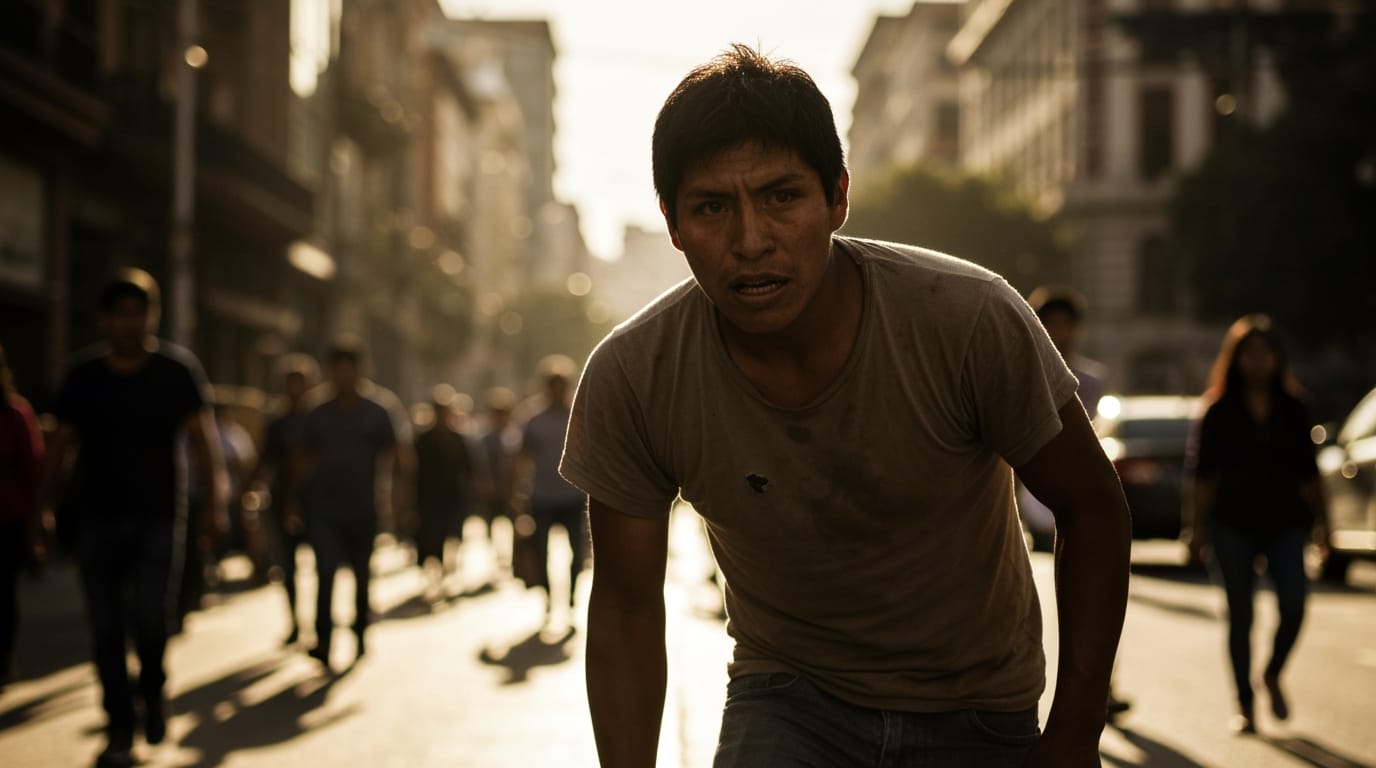
LA PAZ, Bolivia – Widespread protests and crippling road blockades have plunged Bolivia into a profound state of unrest, challenging the six-month-old administration of President Rodrigo Paz and exacerbating an already dire economic situation. The demonstrations, which began in early May and have rapidly intensified, reflect deep-seated public discontent over rising living costs, severe fuel shortages, and contentious government policies, all set against a backdrop of political fragmentation and a lingering leadership struggle within the nation's political landscape. The crisis has led to significant disruptions in essential services, including food, fuel, and medical supplies, with authorities reporting casualties due to blockades preventing access to hospitals.
Economic Pressures Fuel Popular Outcry
At the heart of Bolivia's current turmoil is a severe economic crisis, described as the worst in four decades. The nation is grappling with dwindling foreign currency reserves, a persistent shortage of U.S. dollars, and an alarming scarcity of gasoline and diesel. This has translated into a sharp increase in the cost of living, with inflation soaring and essential goods becoming increasingly unaffordable.
President Rodrigo Paz, who assumed office in November 2025, inherited an economy already in distress. His administration's efforts to stabilize public finances, including austerity measures and the gradual lifting of fuel price controls, have been met with fierce public resistance. A December 2025 decree ending national fuel subsidies, intended to ease the fiscal burden, resulted in significantly higher gasoline prices and widespread discontent. Furthermore, an incident involving "dirty fuel" — adulterated supply that damaged vehicles — sparked additional protests among transport workers and led to high-level resignations within the state oil company. Bolivia's reliance on fossil fuels as a primary revenue source has become unsustainable, transforming the country into a net importer of fuel since 2022, further straining its financial resources and contributing to chronic shortages. Inflation has surged, with year-on-year rates exceeding 24% by August 2025 and food prices increasing by 38% between January and June 2025.
Political Fissures and the Shadow of Former Leadership
The current unrest is not solely economic but also deeply entangled with Bolivia's volatile political landscape. The governing Movement for Socialism (MAS) party has been fractured by an intense rivalry between former President Evo Morales, who governed from 2006 to 2019, and his successor, former President Luis Arce. This internal conflict significantly weakened MAS, contributing to its historic defeat in the 2025 elections and paving the way for the centrist Rodrigo Paz.
Despite being out of office, Evo Morales remains a potent political figure. He has openly backed the current protests, framing them as a response to economic hardship and political persecution. Thousands of his supporters have joined the demonstrations, especially after a judge held Morales in contempt earlier this month over a trafficking case, which he denies. President Paz's government, in turn, has accused Morales of inciting the unrest and attempting to destabilize the democratic process. The political maneuvering reflects a struggle for power and influence, with Morales urging his supporters not to relent until "structural demands such as fuel, food, and inflation are not addressed."
A Broad Coalition of Discontent
The protests, which initially began with strikes in early May, have evolved into a nationwide movement encompassing a diverse array of sectors. Labor unions, including the Bolivian Workers' Central (COB), miners, transport workers, teachers, and indigenous and rural groups, have all joined the demonstrations. Their grievances are varied but coalesce around the central theme of economic hardship and disillusionment with government policies.
Teachers are demanding higher pay and increased funding for education, while transport unions have initiated open-ended strikes due to the chronic fuel shortages and concerns about supply. Indigenous and rural communities have voiced strong opposition to agrarian reforms that they argue favor large landowners. Although the government recently repealed a controversial land mortgage law that sparked some initial protests, the broader movement has continued, indicating deeper discontent that transcends specific legislative acts. The calls from some protesters for President Paz's resignation underscore the intensity of anti-government sentiment.
Government Response, International Reactions, and Humanitarian Toll
The Paz administration has responded to the escalating crisis by defending its economic measures as necessary for financial stability and preparing a reform package for Congress. Efforts have been made to de-escalate tensions through negotiations and wage increases. However, the government has also deployed approximately 3,500 security forces to clear roadblocks, leading to clashes with demonstrators. As of May 21, four people have reportedly died, and 90 have been arrested in connection with the protests, with some deaths attributed to blockades preventing medical access.
The widespread blockades have created a humanitarian crisis, leaving many urban centers, including the capital La Paz, under a virtual "siege." Markets have been emptied, and vital hospital oxygen reserves have been depleted. Argentina has sent military aircraft with food supplies at Bolivia's request, highlighting the severity of the supply chain disruptions. The international community has also weighed in, with the U.S. Deputy Secretary of State Christopher Landau controversially describing the protests as an "ongoing coup d'état" and urging other countries to condemn the events. In a retaliatory move, Bolivia expelled Colombia's ambassador after its president commented on Bolivia's "popular insurrection." President Paz has announced a cabinet reshuffle, seeking a "more agile cabinet, closer [to the population]" to address the crisis.
An Uncertain Future
Bolivia finds itself at a critical juncture, navigating a complex web of economic hardship, political rivalries, and profound social unrest. The current wave of protests, while immediately triggered by recent government policies and economic pressures, reflects a deeper dissatisfaction that has been brewing for years. The ability of President Paz's government to address the diverse demands of the protesters, stabilize the economy, and forge a path towards political consensus will determine the country's trajectory in the coming months. Without effective solutions, the risk of further escalation and instability remains significant, casting a long shadow over Bolivia's future.


