Border Conflict Reignites: Cambodia and Thailand Engaged in Deadly Clashes, Ceasefire Collapses
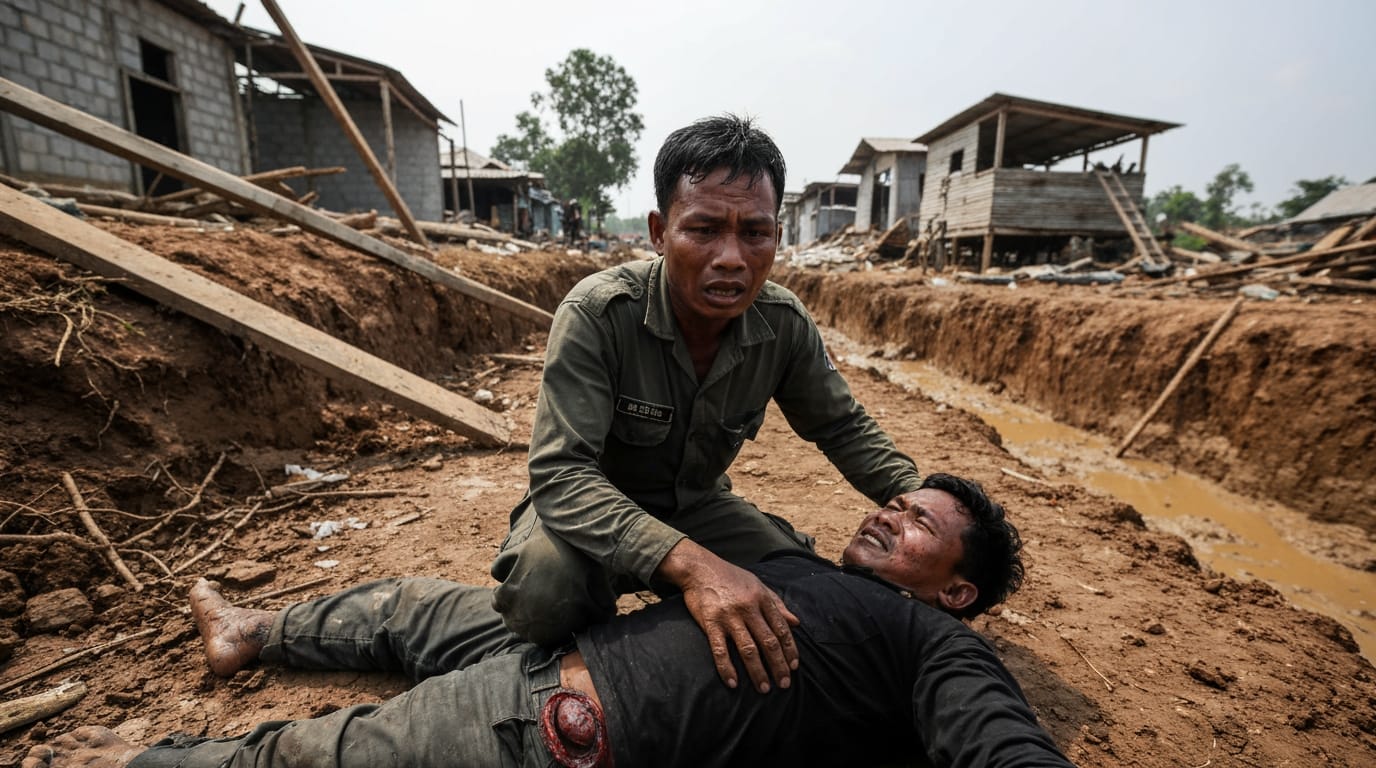
Phnom Penh, Cambodia / Bangkok, Thailand – December 9, 2025 – Renewed and intensified fighting has erupted along the disputed border between Cambodia and Thailand, shattering a fragile ceasefire brokered just months ago. The latest surge in hostilities, which began in late November and escalated significantly this week, has resulted in multiple fatalities, including civilians, and has forced hundreds of thousands of people to flee their homes. Both nations are pointing fingers, accusing each other of violating peace agreements and initiating unprovoked attacks along their contested frontier.
The current flare-up marks a grave setback for regional stability, following a period of intense fighting in July 2025 that claimed at least 48 lives and displaced an estimated 300,000 individuals from both sides of the border. That earlier conflict saw the deployment of heavy artillery, rockets, and even F-16 fighter jets, prompting U.S. President Donald Trump to intervene and facilitate an "unconditional ceasefire" at a meeting also attended by Malaysian Prime Minister Anwar Ibrahim. However, hopes for a lasting peace have been dashed as fresh skirmishes have evolved into full-scale confrontations, particularly around long-contested areas in Preah Vihear, Oddar Meanchey, Trat, Chanthaburi, and Surin provinces.
Historical Roots of a Volatile Border
The deeply entrenched border dispute between Cambodia and Thailand is a vestige of colonial-era mapping and ambiguous treaties, primarily the Franco-Siamese agreements of 1904 and 1907. These accords aimed to delineate the boundary between Siam (modern-day Thailand) and French Indochina, which included Cambodia. However, imprecise surveys and conflicting interpretations of these treaties left significant stretches of the 817-kilometer land border undemarcated, creating a legacy of contention that has periodically boiled over into violence.
A central flashpoint of the dispute is the 11th-century Preah Vihear temple complex, a UNESCO World Heritage site perched atop the Dangrek Mountains. The International Court of Justice (ICJ) famously ruled in 1962 that the temple itself lies on Cambodian territory, a decision that has been consistently reaffirmed. Despite this, the ownership of surrounding land and access routes has remained a source of intense nationalist sentiment and military confrontation, notably erupting into significant clashes between 2008 and 2011. The current 2025 crisis follows a similar pattern, with a minor dispute at the Prasat Ta Moan Thom temple in February reportedly escalating tensions months before the major July outbreak.
Escalation and Human Cost
The recent fighting in December 2025 has seen both sides deploy heavy weaponry. Cambodian officials reported that Thai forces initiated "unending shooting throughout the night" in various border villages. Conversely, Thailand's Navy claimed Cambodian forces were detected inside Thai territory in Trat province, prompting military operations to expel them, and accused Cambodia of deploying snipers and heavy weapons, improving fortified positions, and digging trenches, actions seen as a "direct and serious threat to Thailand's sovereignty."
Casualties have quickly mounted. As of December 9, Cambodia's Ministry of National Defense spokesperson reported that seven Cambodian civilians had been killed and 20 others injured by Thai artillery shelling. Separately, a Cambodian soldier was confirmed killed near the Preah Vihear temple, with dozens more wounded. On the Thai side, reports indicate at least three soldiers have died, with 18 wounded since the renewed clashes began in December.
The humanitarian crisis continues to deepen, with civilian populations bearing the brunt of the violence. Following the intense July clashes, which displaced approximately 300,000 people, thousands more are now evacuating their homes. Thai authorities evacuated 438,000 civilians across five border provinces, while Cambodian officials stated hundreds of thousands have been moved to safety. Accounts from affected villagers highlight the profound trauma, with many describing fleeing their homes for the second time this year.
International Calls for Restraint
The international community has voiced deep concern over the escalating conflict. U.S. President Donald Trump has urged both nations to "fully honor their ceasefire commitments," emphasizing his commitment to the cessation of violence. The United Nations Secretary-General António Guterres has also appealed for restraint, calling on both Thailand and Cambodia to avoid any actions that could further broaden the crisis. Malaysia, having facilitated previous talks, has also called for an end to hostilities.
Despite these international appeals, the blame game persists. Cambodia’s Prime Minister Hun Manet stated that Thailand "must not use military force to attack civilian villages under the pretext of reclaiming its sovereignty." Meanwhile, Thailand has maintained that its actions are defensive responses to Cambodian encroachments and alleged attacks, with some reports citing a landmine incident in November that injured Thai soldiers as a trigger for the ceasefire's collapse.
An Uncertain Path Forward
The latest eruption of violence underscores the enduring fragility of peace along the Cambodia-Thailand border. Decades of unresolved territorial claims, fueled by nationalist sentiments and historical animosities, continue to impede a lasting resolution. While diplomatic channels and international mediation have offered glimmers of hope in the past, the current collapse of the ceasefire demonstrates the deep-seated challenges in achieving a stable and secure environment for the communities living in these contested areas. The immediate priority remains de-escalation, but a comprehensive and mutually acceptable demarcation of the border, alongside continued dialogue, is essential to prevent future cycles of conflict and ensure the long-term well-being of the affected populations.


