Braverman Abandons Conservatives for Reform UK in Seismic Political Shift
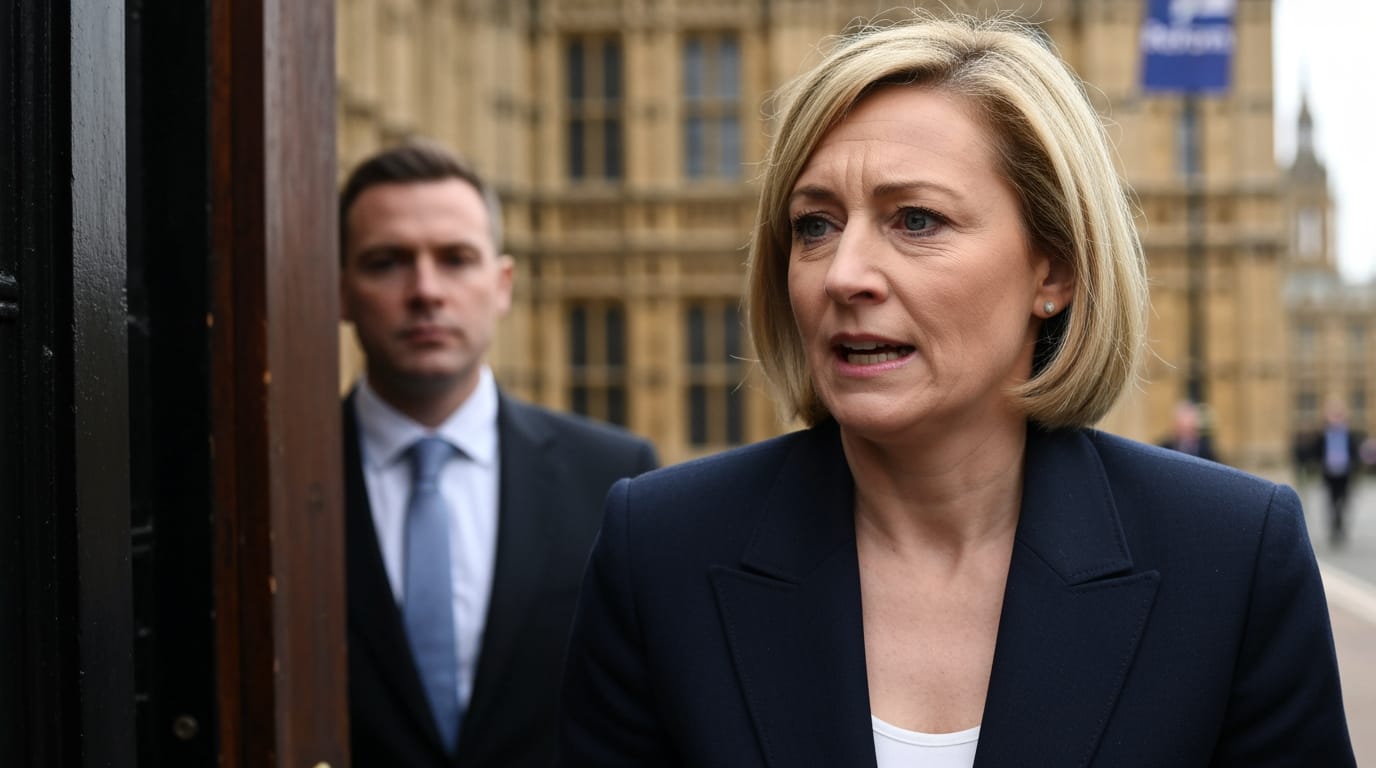
Suella Braverman, the former Conservative Home Secretary, has dramatically defected to Reform UK, resigning her Conservative Party membership of 30 years and declaring she has "come home" to the burgeoning right-wing party. The announcement, made today at a "Veterans For Reform" event in London, marks a significant blow to the struggling Conservative government and reshapes the landscape of British politics ahead of the next general election. Braverman becomes the third sitting Member of Parliament to abandon the Conservative benches for Reform UK in just over a week, following former Housing Secretary Robert Jenrick and former Chancellor Nadhim Zahawi, intensifying the pressure on Prime Minister Rishi Sunak and his administration.
A Decisive Rupture and Scathing Exchange
Braverman's defection unfolded with immediate and sharp reactions from both sides of the political spectrum. Speaking at the Reform UK event, she confirmed her resignation from the Conservative whip and her three-decade-long party membership, stating her intention to represent her constituency of Fareham and Waterlooville as a Reform UK MP with immediate effect. Her declaration that "Britain is indeed broken, she is suffering, she is not well. Immigration is out of control. Our public services are on their knees. People don't feel safe," echoed the increasingly strident critique leveled by Reform UK against the current Conservative government. The Conservative Party's response was swift and scathing, with a spokesperson asserting, "It was only a matter of when, not if, Suella would defect." The party also made unsubstantiated remarks regarding Braverman's "mental health," a statement that drew condemnation from Labour MPs and raised questions about the decorum of political discourse. The Conservative spokesperson further questioned Braverman's motives, suggesting she acts out of "personal ambition" rather than a desire to "deliver a better country." This pointed exchange underscores the deep divisions that have fractured the Conservative Party's right wing.
A Career Defined by Conservative Ideals and Internal Conflict
Suella Braverman's political career within the Conservative Party has been marked by a staunch adherence to right-wing principles, particularly on issues of Brexit and immigration. Elected as the Conservative MP for Fareham in May 2015, she quickly rose through the ranks, serving as Parliamentary Under-Secretary of State at the Department for Exiting the European Union from January to November 2018, a post from which she resigned over Theresa May's draft Brexit withdrawal agreement. She went on to serve as Attorney General for England and Wales under Boris Johnson from February 2020 to September 2022. Her most prominent and often controversial role was as Home Secretary, serving twice: first briefly under Liz Truss, and then under Rishi Sunak from October 2022 until November 2023. During her tenure as Home Secretary, she became a standard-bearer for the right of the Conservative Party, advocating for stricter immigration policies and often expressing views that pushed the boundaries of government policy. Her second dismissal from the Home Office by Prime Minister Sunak followed an unauthorized opinion piece published in The Times and what she described in an acidic parting letter as Sunak's "manifestly and repeatedly failed to deliver" on key promises. This history of public disagreement and resignation foreshadowed her ultimate break from the party, suggesting a long-standing ideological chasm.
Reform UK's Growing Momentum and the Fragmentation of the Right
Braverman's defection significantly bolsters Reform UK, granting the party a prominent and experienced figure who has held some of the highest offices in government. Her addition brings Reform UK's total number of sitting MPs to eight, a notable increase that lends the party greater visibility and, potentially, credibility. Nigel Farage, a key figure in Reform UK, revealed that he had been in discussions with Braverman for at least a year, indicating a strategic alignment between the party and disenchanted Conservative figures. The influx of former Conservative cabinet ministers into Reform UK has sparked a narrative that the party is becoming "Conservative Party 2.0," or, as some critics suggest, a repository for "the worst elements of the last 15 years of Tory government." This shift is particularly impactful because it further fragments the right-wing vote, potentially complicating the electoral prospects for the Conservative Party in upcoming elections. Many commentators highlight the irony of Braverman, who presided over high levels of net migration as Home Secretary, now joining a party with a central anti-immigration platform, leading to questions about consistency and opportunism.
Reshaping the Political Landscape Ahead of the Next Election
The defection of Suella Braverman marks a critical juncture in British politics, potentially signaling a broader realignment on the right. With a general election looming, the continued exodus of prominent figures from the Conservative Party to Reform UK could have profound implications. For the Conservatives, already trailing significantly in opinion polls, these defections risk further alienating their traditional voter base and ceding ground to a more ideologically pure right-wing alternative. Reform UK, conversely, is rapidly positioning itself as a viable home for those who feel the Conservative Party has strayed from its core principles, particularly on issues like immigration and national sovereignty. The party's growing strength could force the Conservative Party further to the right in an attempt to stem the flow of voters, or it could lead to a more profound and lasting split within the right-of-center political movement. The political tremors initiated by these high-profile defections underscore a period of intense volatility and uncertainty in British democracy, with the full impact on public opinion and electoral outcomes yet to be seen.


