Cuba Confirms Direct Talks with United States Amid Deepening Energy Crisis
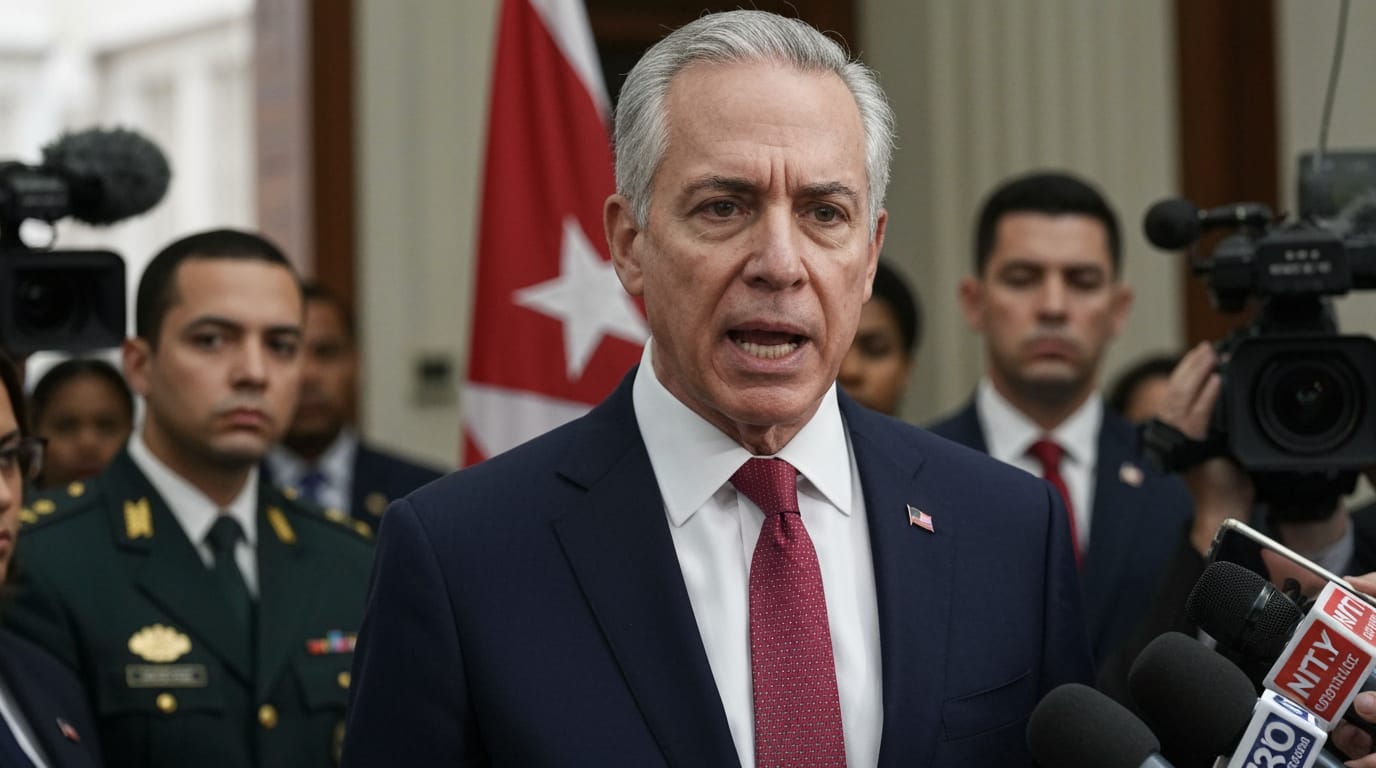
HAVANA – In a significant diplomatic shift, Cuban President Miguel Díaz-Canel confirmed Friday that his government has engaged in recent direct talks with United States officials, a revelation that comes as the island nation grapples with an acute energy crisis and increasing economic pressure. The announcement, made during a televised address, marks the first official acknowledgment from Havana regarding ongoing negotiations, despite previous allusions from Washington.
The Cuban leader stated that these discussions aim to find solutions to long-standing bilateral differences between the two nations. This confirmation arrives at a critical juncture for Cuba, which has experienced severe fuel shortages and widespread power outages, conditions Díaz-Canel directly attributed to an "energy blockade" imposed by the United States. The dire circumstances, including a three-month absence of petroleum shipments, underscore the urgency driving Havana's engagement with Washington.
Acknowledging the Dialogue: A Shift in Stance
For months, speculation has circulated regarding back-channel communications between the Cuban government and the administration of U.S. President Donald Trump. While President Trump had hinted at such talks, even suggesting a "deal" was imminent, Cuban authorities had largely maintained public silence or denied the existence of formal negotiations. Díaz-Canel's Friday announcement broke this silence, confirming that officials from his government "recently began talks with representatives of the Donald Trump administration". He emphasized that the Cuban side approached these discussions with a commitment to "equality and respect for the political systems of both states, for sovereignty, and for the self-determination of our governments."
Further details emerged, indicating that U.S. Secretary of State Marco Rubio, along with senior aides, held a secret meeting in the Caribbean at the end of February with Raúl Guillermo Rodriguez Castro, the grandson of former Cuban leader Raúl Castro. This high-level, albeit discreet, engagement suggests a more structured dialogue than previously acknowledged. The Cuban president refrained from providing extensive details about the specifics of the talks or the "international factors" he mentioned as facilitating these exchanges. However, he characterized the process as "very sensitive," requiring "enormous and arduous efforts" to bridge differences and foster understanding.
Energy Crisis as a Catalyst for Engagement
The backdrop to these diplomatic overtures is Cuba's worsening energy crisis, which has severely impacted daily life across the island. Díaz-Canel revealed that Cuba has not received petroleum shipments for three months, a situation he directly linked to a U.S. energy blockade. This acute shortage has forced the nation to rely on natural gas, solar power, and aging thermoelectric plants, many of which have been operating for decades with minimal maintenance due to sanctions hindering the purchase of new equipment and specialized parts.
The consequences are far-reaching. Cuba's western region recently experienced a major blackout, leaving millions without electricity. The lack of power has disrupted communications, education, and transportation, and has even led to the postponement of surgeries for tens of thousands of people. Production output has plummeted, with Díaz-Canel lamenting, "Without energy, no country can produce at normal levels." In response, more than 115 bakeries have been converted to run on firewood or coal, and the government is accelerating the installation of solar panels in rural areas. This profound crisis appears to have created a strong impetus for Havana to seek a diplomatic off-ramp.
Historical Context and Bilateral Divides
The current dialogue unfolds against a complex history of U.S.-Cuba relations, marked by decades of hostility, a persistent economic embargo, and periods of tentative rapprochement. While the diplomatic relationship saw a thaw under President Barack Obama, leading to normalized relations and the removal of Cuba from the U.S. list of state sponsors of terrorism in 2015, many restrictions were reinstated by the Trump administration.
The Trump administration has pursued a harder line, intensifying the economic, commercial, and financial blockade. This includes the re-designation of Cuba as a state sponsor of terrorism and sanctions against high-level Cuban officials. U.S. policy aims to foster a "stable, prosperous, and free" Cuba, while simultaneously restricting economic practices that are perceived to benefit the Cuban government or its military at the expense of its people.
Despite these enduring tensions, dialogue is not unprecedented. Díaz-Canel himself noted that similar conversations occurred during the Obama era, indicating a historical precedent for engagement even amidst profound ideological differences. The Cuban government has consistently expressed a willingness to engage in dialogue based on "respect for sovereignty and international law," though it has also vigorously defended its right to self-determination.
Gestures and Future Prospects
Ahead of Díaz-Canel's announcement, Cuba made a notable gesture of goodwill, declaring it would release 51 prisoners through the mediation of the Vatican. While presented by Cuba as a sovereign act rooted in humanitarian principles, such releases have historically preceded or accompanied diplomatic overtures between Havana and Washington.
The stated purpose of the current talks, according to Díaz-Canel, is to identify "bilateral problems that require solutions based on their severity and impact" and to determine the willingness of both parties to take "concrete actions for the benefit of the people of both countries." This also includes exploring areas of cooperation to address shared threats and ensure regional security and peace.
While President Trump has projected confidence that a deal with Cuba could be "made very easily," suggesting the island nation is "at the end of the line" economically, the Cuban leadership's emphasis on sovereignty and the cautious tone surrounding the "initial phases" of agreement suggest a protracted and challenging path forward. The human element remains central, with many Cubans, like 62-year-old Elvis Hernández, expressing desperation and hope for productive talks that "achieve something good through those conversations" to alleviate their daily struggles. The coming months will reveal whether these renewed discussions can navigate the entrenched complexities and deliver tangible improvements for the Cuban people.


