Brazil Grapples with Democratic Inefficiencies Amidst Solid Foundations
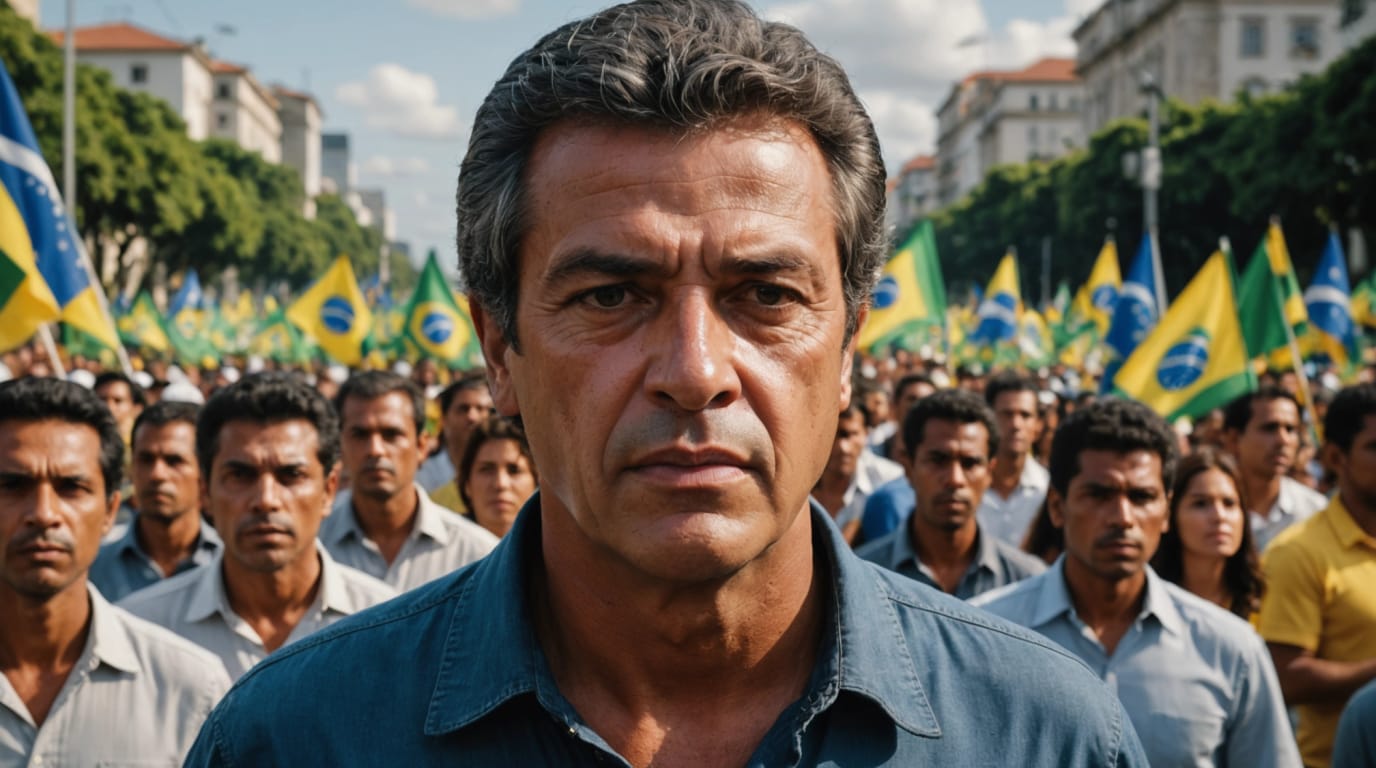
Brazil's democracy, while firmly established, faces persistent challenges related to inefficiency, corruption, and political polarization, hindering its full potential and the delivery of effective governance to its citizens. Despite these issues, the fundamental structures of Brazilian democracy remain resilient, suggesting a system that, while imperfect, is capable of enduring.
Endemic Corruption and Political Polarization
One of the most significant impediments to Brazil's democratic progress is the prevalence of corruption within its governmental institutions. This corruption drains resources that could be used for development and the welfare of the population. Important projects are often delayed or abandoned due to fund misappropriation, and public trust in governmental institutions continues to erode. The constant clashes between left and right-wing agendas further exacerbate the problem, creating a polarized environment that prevents constructive debate and effective governance. This "zero-sum game" mentality, where the goal is to destroy the opponent rather than find common solutions, makes governing an almost impossible task.
The Legacy of Bolsonaro and Democratic Backsliding
The presidency of Jair Bolsonaro from 2019 to 2022 underscored the fragility of democratic norms in Brazil. Bolsonaro capitalized on the country's history of military rule, incorporating nationalist rhetoric, exploiting political polarization, and breaking government precedents to consolidate power. His administration was marked by a militarization of government roles and increased policing, actions that strained Brazil's democratic institutions, eroded public trust, and heightened political divisions. This approach aligns with the concept of "stealth authoritarianism," where seemingly lawful measures are used to entrench power while undermining democracy.
Bolsonaro's government also faced criticism for its handling of the COVID-19 pandemic. The federal government's responses were described as confusing and inefficient, undermining the work of governors and mayors and contributing to a higher number of cases and casualties. Furthermore, Bolsonaro's attacks on the press, public universities, and scientific organizations further weakened democratic institutions.
Federalism and Inefficiency in Public Administration
Brazil's federal system presents another layer of complexity. The system centralizes too much of the resources at the federal level while decentralizing responsibilities to the states and local levels, resulting in a lack of material resources at the local level. This imbalance hinders the ability of state and local governments to develop and implement effective public policies. The lack of clear responsibility and funding for various levels of government leads to inefficiencies in delivering essential services such as public health, basic education, public transportation, and public security.
Strengths and Resilience of Brazilian Democracy
Despite these challenges, Brazil's democracy possesses inherent strengths. The country has a specific kind of bottom-up federalism where public power is located in the autonomy of the free individuals. Brazil's policy performance is at least average in comparative perspective. The country's democratic institutions have demonstrated resilience in the face of threats, as evidenced by the resistance to attempts to undermine the democratic order.
Moving Forward: Strengthening Democratic Institutions
Addressing the inefficiencies and challenges facing Brazilian democracy requires a multi-faceted approach. Strengthening institutions, combating corruption, promoting political dialogue, and ensuring equitable distribution of resources are crucial steps. A more vigilant approach from the National Congress, the Federal Supreme Court, and federal prosecutors is necessary to contain governmental overreach and uphold democratic principles. Ultimately, the task of healing Brazilian constitutionalism rests with the democratic society, which must actively safeguard democratic norms and prevent the consolidation of power.


