Brazil's Soy Boom Fuels Environmental Crisis as Deforestation Surges Beyond the Amazon
Brazil, the world's leading producer and exporter of soybeans, faces an escalating environmental crisis as its burgeoning soy industry continues to drive widespread deforestation, particularly in the biodiverse Cerrado savanna. While global demand for this crucial commodity bolsters the nation's economy, the expansion comes at a significant ecological cost, threatening vital ecosystems, accelerating climate change, and raising concerns across international supply chains. The delicate balance between agricultural prosperity and environmental preservation is under intense pressure, with recent developments signaling a potential rollback of hard-won conservation gains.
The Expanding Frontier: Soy's Relentless March into Brazil's Biomes
Brazil's rise as an agricultural powerhouse has been inextricably linked to the rapid growth of its soy sector. The nation produced approximately 152 million tonnes of soy in 2023, exporting over 80% of it and generating an annual revenue of nearly US$53 billion. Soy stands as Brazil's second-largest export, accounting for 16% of total exports in 2023. This impressive economic output, however, has driven an relentless expansion of agricultural land, encroaching deeply into Brazil's natural biomes.
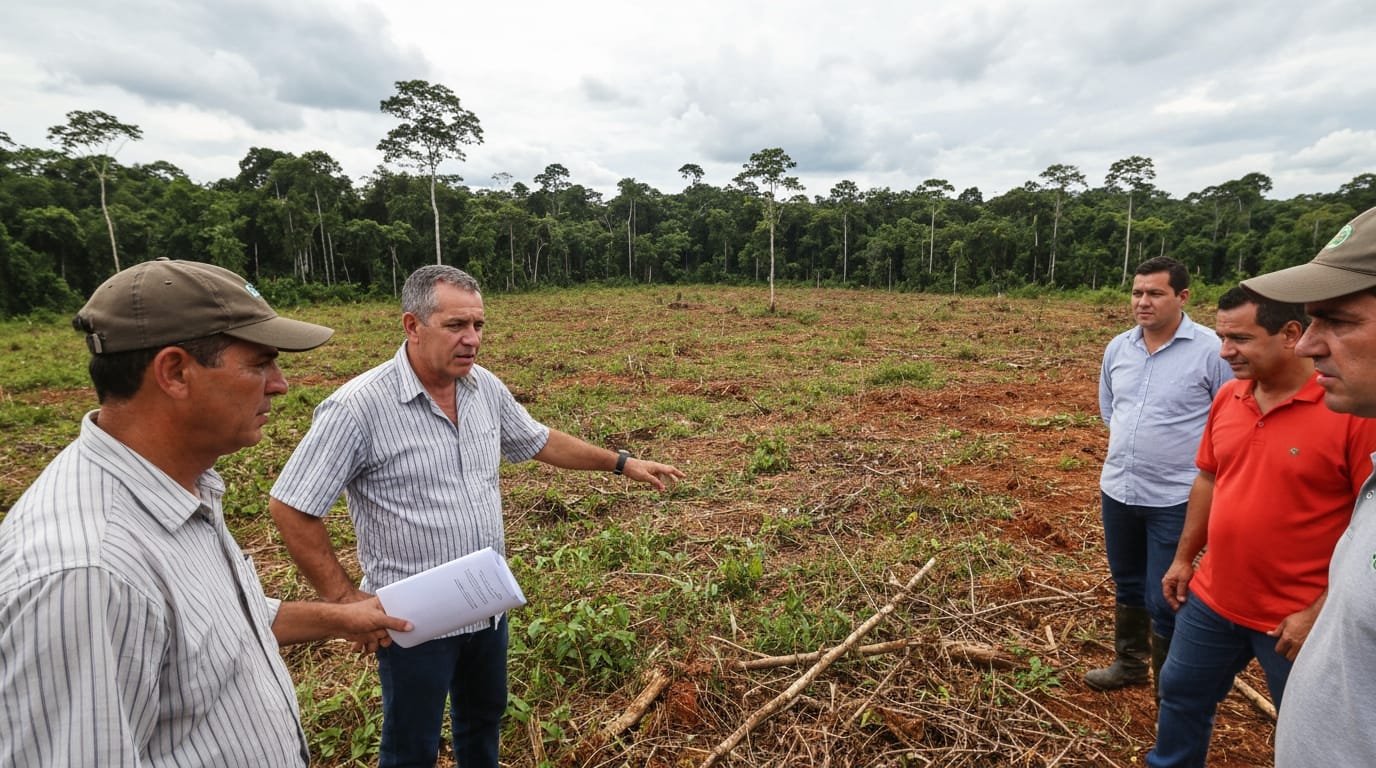
While the Amazon rainforest traditionally garners global attention for deforestation, the Cerrado, a vast tropical savanna, has become the primary battleground in the fight against soy-linked forest destruction. In 2023, deforestation in the Cerrado reached 1.1 million hectares, more than double the rate observed in the Amazon during the same period. Between 1985 and 2021, an alarming 8.1 million hectares of new soybean plantations emerged in the Cerrado, an area larger than Belgium and the Netherlands combined. This extensive clearing has resulted in the loss of at least 46% of the Cerrado's native vegetation to pasture or crops. The Matopiba region, an agricultural frontier spanning the states of Maranhão, Tocantins, Piauí, and Bahia, has been particularly affected, with a 253% increase in soybean area between 2000 and 2014, at the expense of 50% of its native vegetation.
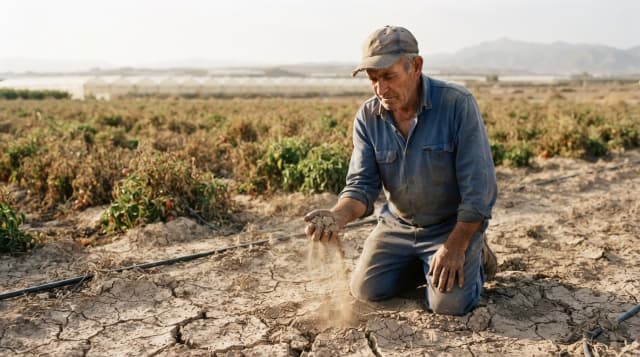
Trase data indicates that deforestation and conversion linked to soy production across Brazil increased from 635,000 hectares in 2020 to 794,000 hectares in 2022. In 2022 alone, soy plantations were associated with 375,000 hectares of deforestation and conversion in the Cerrado, an area more than twice the size of São Paulo city. This expansion is not only converting natural landscapes but also leading to a vicious cycle where agricultural clearing contributes to regional drying, which in turn reduces soy productivity, pushing farmers to clear even more land.
Economic Imperatives and Global Appetites
The driving force behind this expansion is a robust global demand for soy, primarily for animal feed and, to a lesser extent, biofuels. China, as the world's largest consumer and producer of pork, imports approximately 80% of Brazil's soybean crops to feed its livestock. This strong international market provides significant economic incentives for Brazilian farmers, transforming the country into a global agribusiness powerhouse. Soybeans contribute significantly to Brazil's trade balance, state and municipal revenues, and the economic dynamism of numerous inland municipalities, consolidating the country's position as a major agrifood player.
However, the financial benefits are not evenly distributed. A 2019/2020 agricultural year analysis revealed that while the Brazilian soybean chain generated a gross revenue of US$86.9 billion, only US$31.6 billion was absorbed by Brazilian business groups. The majority of profits are captured by large international corporations, predominantly American, European, and Chinese, who often expand their control over various segments of the soybean industry through mergers and acquisitions of Brazilian companies. This dynamic means that while significant profits flow abroad, the socio-environmental costs generated by accelerated soy expansion remain largely within Brazil.
Environmental Catastrophe and Social Strain
The ecological consequences of unchecked soy expansion are profound and far-reaching. The conversion of native vegetation leads to significant biodiversity loss, as habitats are destroyed and ecosystems fragmented. It also contributes substantially to climate change through increased carbon emissions. Deforestation and conversion linked to soy production in 2022 resulted in the release of 121 million tonnes of CO₂, representing 9% of Brazil's total land-use change annual emissions. The Cerrado, with its extensive plant root systems, is a critical carbon sink and home to the Earth's second-largest underground water reservoir, yet it faces threats from deforestation and declining water tables, exacerbated by climate change. The need for irrigation for soy crops further strains water resources, leading to a "vicious cycle" of water and energy consumption.
Beyond the environmental toll, there are social implications. While specific details on displacement were less prominent in the recent findings, historically, agricultural expansion in Brazil has led to land conflicts and the displacement of traditional communities. The intensive use of chemical inputs in large-scale monoculture also raises concerns about environmental health and potential impacts on local populations.
Policy Crossroads: The Fragile State of Conservation Efforts
For nearly two decades, the Amazon Soy Moratorium (ASM) stood as a landmark voluntary agreement, credited with significantly reducing soy-related deforestation in the Amazon biome. Under the ASM, signatory companies committed not to purchase soy grown on land deforested after July 2008 in the Amazon. This initiative was widely recognized for decoupling soy expansion from deforestation in the Amazon, with deforestation falling by 69% in monitored municipalities between 2009 and 2022, even as planted area grew by 344%. By 2022, only 3.4% of soy produced in the Amazon biome was outside the rules of this agreement.
However, this critical protection is now in jeopardy. In January 2026, Brazil's soy industry association ABIOVE, representing major grain traders like Cargill, ADM, Bunge, and Louis Dreyfus, formally withdrew from the ASM. This move followed years of lobbying and was triggered by the removal of tax incentives in Mato Grosso for traders upholding the moratorium. The potential collapse of the ASM could lead to a 30% surge in Amazon deforestation by 2045, endangering millions of hectares and undermining Brazil's climate commitments. This situation creates significant risks for financial institutions with exposure to Brazil's soy sector, prompting major European supermarket chains to urge traders to reaffirm their commitment to the moratorium.
In stark contrast to the Amazon, the Cerrado has largely been overlooked by environmental policies. It lacks a similar zero-deforestation agreement with the private sector and is less protected by Brazil's Forest Code, which allows up to 80% of its destruction under certain circumstances. This disparity has channeled soy expansion away from the Amazon and increasingly into the Cerrado, intensifying pressure on this less-protected biome. International regulations, such as the European Union's upcoming anti-deforestation law (EUDR), aim to prevent imports from deforested areas, putting pressure on producers in the Cerrado to adopt more sustainable practices.
A Precarious Future for Brazil's Natural Heritage
The ongoing expansion of Brazil's soy industry presents a complex challenge, pitting substantial economic benefits against severe environmental and social costs. While Brazil aims for sustainable agricultural practices, including crop rotation, rational water management, and no-till farming, the reality on the ground often involves continued clearing of native vegetation. The collapse of the Amazon Soy Moratorium and the continued vulnerability of the Cerrado underscore a critical juncture for Brazil's natural heritage. The global demand for soy, particularly from countries like China, places a shared responsibility on international markets to support and demand deforestation-free supply chains. Without robust enforcement of environmental policies and a renewed commitment from the industry, Brazil's iconic biomes face an increasingly precarious future, with far-reaching implications for global climate stability and biodiversity.