Brigitte Bardot, Iconic French Star and Fierce Animal Advocate, Dies at 91
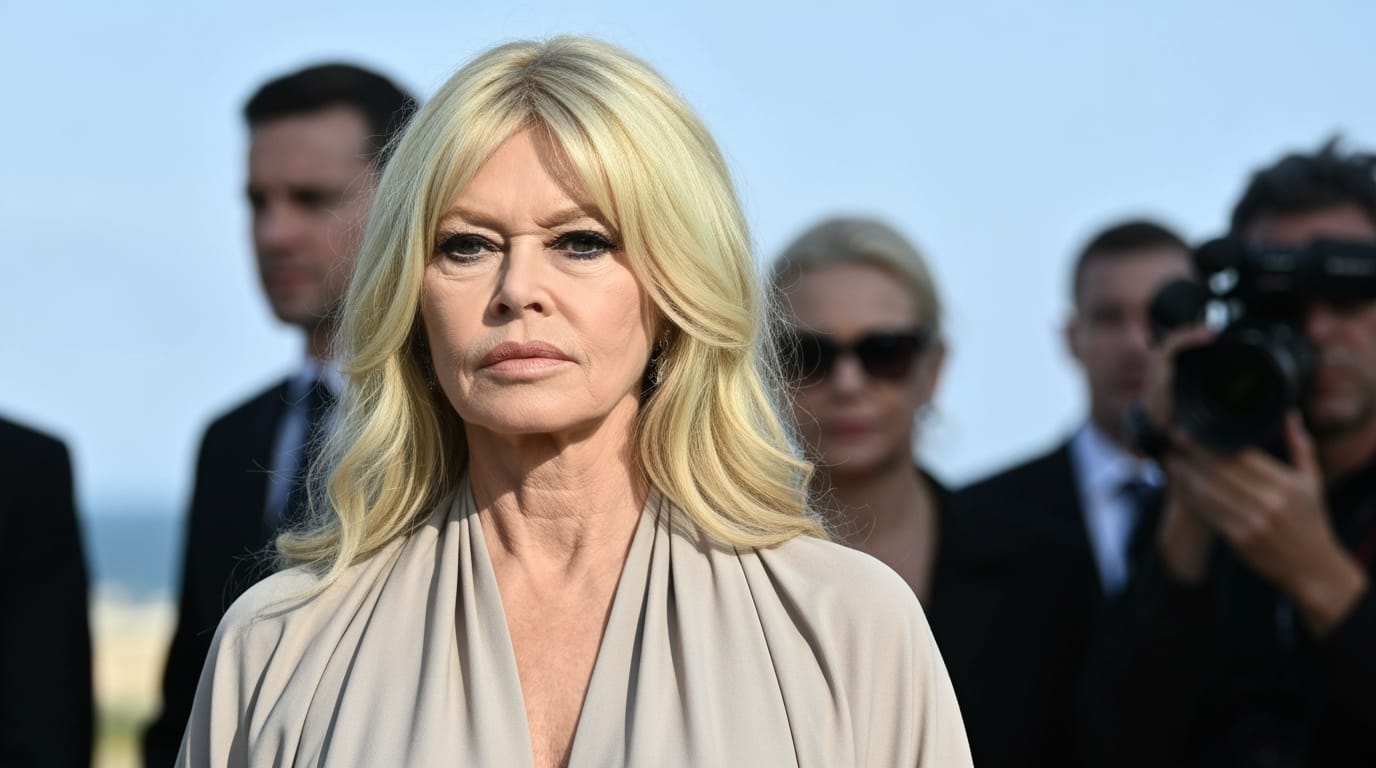
Paris, France – Brigitte Bardot, the legendary French actress who personified glamour and rebellion before dedicating her later life to passionate animal activism, has died today at the age of 91. Her passing marks the end of an era, leaving behind a dual legacy as both an international film icon and an unwavering voice for animal welfare.
Bardot, a potent symbol of mid-20th-century freedom and sensuality, captivated global audiences with her distinctive charm and boundary-pushing roles. After an illustrious film career that spanned over two decades, she shocked the world by retiring from acting at the peak of her fame to become a tireless champion for animals, a cause to which she committed the latter half of her long and impactful life. Her death prompts reflection on her profound influence on cinema, fashion, and social consciousness, while also recalling the controversies that shadowed her later years.
From Ballerina Dreams to International Stardom
Born Brigitte Anne-Marie Bardot in Paris on September 28, 1934, she hailed from an affluent, conservative family. Her early life was marked by rigorous ballet training, an early passion that instilled in her a graceful presence. At just 15, Bardot's striking beauty caught the attention of the public and the fashion world when she graced the cover of France's Elle magazine. This early exposure paved her way into the burgeoning world of cinema.
Her acting debut came in 1952, but it was her starring role in Roger Vadim's 1956 film, "And God Created Woman," that propelled her to international fame. The film, which portrayed an uninhibited young woman, scandalized conservative audiences yet made Bardot an overnight sensation and a potent symbol of female desire and liberation. She became known as "B.B." and a "sex kitten," a persona that defined an entire generation's shift towards more open sexuality. French President Charles de Gaulle famously referred to her as "the French export as important as Renault cars," underscoring her immense global appeal.
Throughout the 1950s and 1960s, Bardot starred in over 40 films, showcasing her versatility in various roles, from the critically acclaimed "Contempt" (1963) by Jean-Luc Godard to the lighthearted "Viva Maria!" (1965), for which she received a BAFTA nomination. Beyond the silver screen, she ventured into music, releasing several albums and collaborating with artists like Serge Gainsbourg. Her influence extended into fashion, where her signature style – including the "Bardot collar," gingham prints, ballet flats, and a relaxed, sensual aesthetic – became iconic and continues to inspire trends today. She is widely credited with popularizing the bikini and establishing St. Tropez as a glamorous jet-set destination.
A Radical Transformation: From Screen Siren to Animal Crusader
In 1973, at the age of 39, Brigitte Bardot made the stunning decision to retire from acting, a move that surprised many who saw her as an enduring fixture of global cinema. She declared she had given her "beauty and youth to men," and would now devote her "wisdom and experience" to animals. This pivotal moment marked her complete immersion into animal rights activism, a cause she had begun to champion a decade earlier after witnessing the brutal realities of slaughterhouses in 1962.
Her commitment was immediate and unwavering. Bardot leveraged her immense fame to draw attention to animal suffering, campaigning vehemently against the fur trade, bullfighting, and the hunting of baby seals. In 1986, she solidified her efforts by founding the Brigitte Bardot Foundation (Fondation Brigitte Bardot - FBB) in Saint-Tropez, an organization dedicated to the welfare and protection of domestic and wild animals. To finance the foundation, she auctioned off personal belongings and jewelry, raising millions of francs. The FBB was officially recognized as a public utility in 1992, enabling it to expand its reach and impact.
Under her guidance, the foundation grew into a significant international force, operating across 70 countries with a network of employees, donors, and volunteer investigators. Its activities range from direct rescue operations and providing sanctuary for thousands of animals in France to advocating for stronger animal welfare legislation globally. The FBB has campaigned against cruel practices like force-feeding for foie gras, animal testing, and trophy hunting, and has collaborated on international conservation efforts, including those related to endangered species. Bardot's efforts contributed to landmark achievements such as the Council of Europe banning seal fur imports and the French government prohibiting ivory imports.
A Life of Convictions and Controversy
While her dedication to animal rights earned her widespread admiration, Bardot's later years were not without controversy. Known for her outspoken nature, she frequently used her platform to express strong, often provocative, opinions. These views sometimes veered into political territory, leading to significant backlash. She faced multiple convictions and fines for inciting racial hatred, particularly for her criticisms of immigration and Islam in France and for remarks deemed offensive to ethnic minorities, including residents of Réunion.
These controversial stances, alongside her marriage to Bernard d'Ormale, a former adviser to far-right politician Jean-Marie Le Pen, created a complex public image that juxtaposed her iconic status and compassionate activism with more divisive political views. Despite these controversies, her commitment to animals remained unwavering, as she often stated her preference for the company of animals over humans, framing her activism as a moral imperative.
Enduring Legacy
Brigitte Bardot's passing marks the end of a remarkable life that profoundly impacted popular culture and social movements. Her journey from a global sex symbol who helped redefine femininity and freedom in the mid-20th century to a relentless animal rights advocate demonstrates a life lived on her own terms, driven by deep convictions.
Her cinematic contributions, indelible fashion influence, and pioneering efforts in animal welfare have ensured her a lasting place in history. While her later political statements generated considerable debate, her legacy as a cultural icon and a fierce protector of the voiceless remains undeniable. She leaves behind a world forever changed by her beauty, boldness, and unwavering commitment to the creatures she so fiercely defended.


