Buchenwald: A Site of Remembrance and a Stark Warning Against Extremism
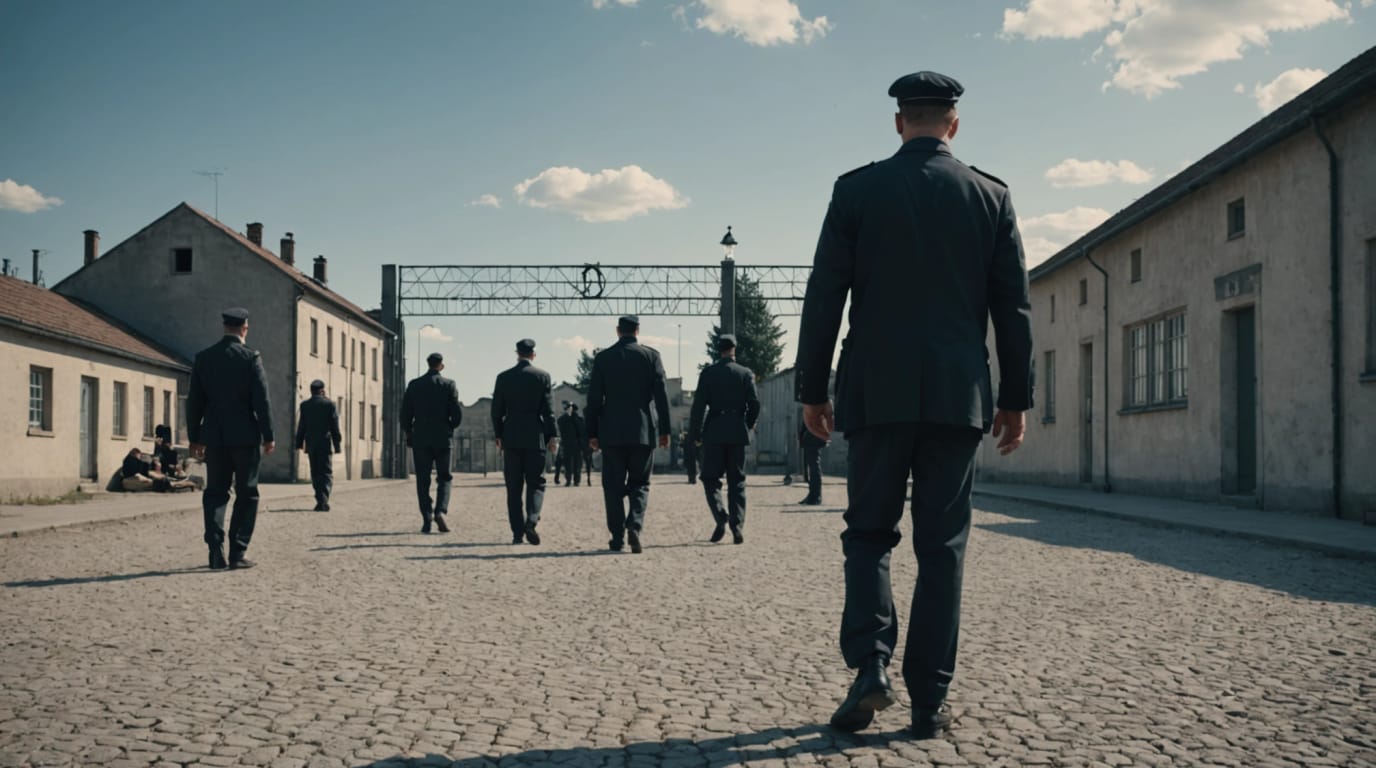
Buchenwald, a name synonymous with the horrors of the Nazi regime, stands as a chilling reminder of the depths of human cruelty and the dangers of unchecked extremism. Established in 1937 on the Ettersberg hill near Weimar, Germany, it was one of the first and largest concentration camps within Germany's borders. Originally intended to incarcerate political opponents, the camp quickly became a place of unimaginable suffering for Jews, Roma, political prisoners, and many others deemed "undesirable" by the Nazi ideology. Today, the Buchenwald Memorial serves as a solemn place of remembrance, education, and a stark warning against the resurgence of hatred and intolerance.
From Work Camp to Death Camp
Initially conceived as a work camp, Buchenwald quickly transformed into a site of immense suffering and death. The camp's population swelled after Kristallnacht in November 1938, with the mass arrest and incarceration of Jewish men. As World War II progressed, Buchenwald became a repository for prisoners from across Europe and the Soviet Union, including Poles, Slavs, the mentally ill, physically disabled, Freemasons, and prisoners of war.
The prisoners were subjected to forced labor in local armaments factories, often working 12-hour shifts under brutal conditions. Inadequate food, poor sanitation, and rampant disease led to widespread death. Deliberate executions and medical experiments further contributed to the camp's horrific mortality rate. Of the approximately 280,000 people who passed through Buchenwald and its 139 subcamps, an estimated 56,545 perished.
Liberation and its Aftermath
As Allied forces advanced into Germany in April 1945, the SS began evacuating prisoners from Buchenwald on death marches, resulting in the deaths of thousands. On April 11, 1945, as the Sixth Armored Division of the U.S. Third Army approached, prisoners, including members of an underground resistance organization, seized control of the camp, overpowering the remaining SS guards. Later that day, American troops liberated Buchenwald, finding more than 21,000 survivors, including approximately 900 children.
Gen. Dwight D. Eisenhower, upon visiting a subcamp of Buchenwald, expressed his profound emotional reaction to the "indisputable evidence of Nazi brutality and ruthless disregard of every shred of decency." The U.S. Army documented the horrors of Buchenwald to ensure that the world would never forget the atrocities committed there.
After the war, Buchenwald was briefly under U.S. Army control before being handed over to the Soviet Red Army. From 1945 to 1950, the Soviets used the camp as an internment camp, known as NKVD special camp Nr. 2, for former Nazis and anti-communist dissidents. During this period, over 7,000 of the 28,455 prisoners held there died.
The Buchenwald Memorial: A Site of Remembrance and Education
Following the closure of the Soviet internment camp, much of the original camp was razed. However, a memorial was established to commemorate the victims of Buchenwald. The Buchenwald Memorial, managed by the Buchenwald and Mittelbau-Dora Memorials Foundation, serves as a place of remembrance, education, and historical research.
The memorial site includes a museum with permanent exhibitions about the history of the camp, as well as the remains of some of the original structures, such as watchtowers. A large monument, constructed in 1958 by the German Democratic Republic (GDR), stands on the southern slopes of Ettersberg Mountain, marking the gravesite of almost 5,000 concentration camp inmates. The design of the memorial complex leads visitors down to mass graves, symbolizing the "night of fascism," and then up to a bell tower, representing "the light of freedom."
The Buchenwald Memorial offers educational programs geared towards school groups, youth groups, and young adults. These programs aim to convey the history of the site, explore its various meanings, and address the relevance of its history for dealing with contemporary issues such as racism, right-wing extremism, and antisemitism.
The Enduring Threat of Extremism
Despite the efforts to educate and remember, the Buchenwald Memorial, like other Holocaust memorial sites, faces the challenge of rising extremism and historical revisionism. There have been increasing reports of neo-Nazi provocations at the site, including the desecration of memorials, the spread of Holocaust denial, and the expression of support for Nazi ideology.
In one instance, visitors were even spotted sledding on the grounds of the former camp, with some sled tracks ending at the mass graves. Such incidents highlight a disturbing lack of historical sensitivity and a growing disregard for the memory of the victims.
These incidents serve as a stark reminder that the fight against extremism and intolerance is far from over. It requires constant vigilance, education, and a commitment to confronting hatred and prejudice in all its forms.
A Warning for Today
The Buchenwald concentration camp stands as a powerful symbol of the dangers of extremism and the importance of remembering the past. The atrocities committed at Buchenwald and other Nazi concentration camps serve as a warning against the dehumanization of others, the abuse of power, and the seductive appeal of hateful ideologies.
As the number of Holocaust survivors dwindles, it becomes even more crucial to preserve their stories and to ensure that future generations understand the lessons of Buchenwald. By remembering the victims, confronting the perpetrators, and actively combating extremism, we can honor the memory of those who suffered and work towards a future free from hatred and intolerance. The Buchenwald Memorial remains a vital resource in this ongoing effort, offering a space for reflection, education, and a renewed commitment to the values of human dignity and respect.


