Bundestag Ramps Up Security Measures Amidst Rising Threats to German Democracy
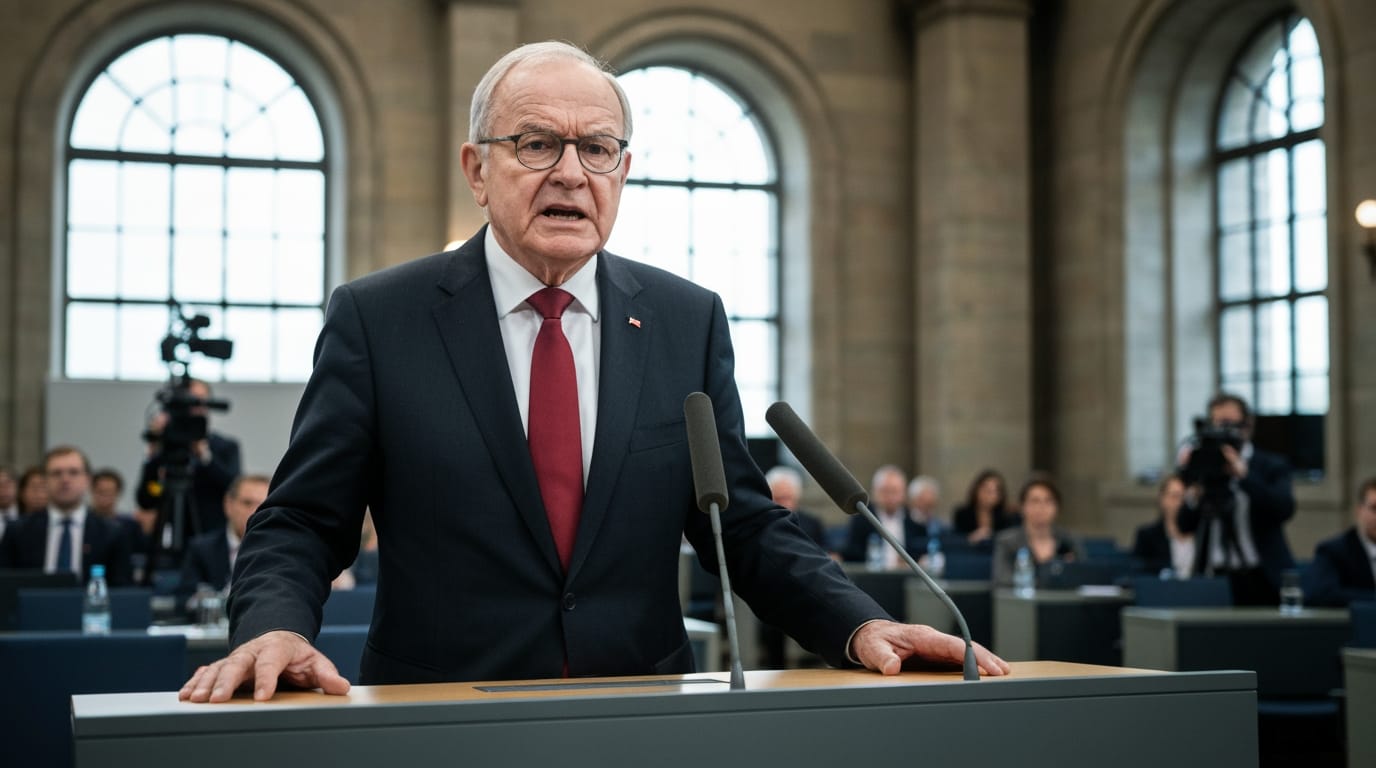
BERLIN – The German Bundestag, the very heart of the nation's democratic process, is poised for significant security enhancements, spearheaded by its President, Bärbel Bas. The proposed changes aim to fortify the parliament against a spectrum of evolving threats, from physical intrusions and extremist infiltration to sophisticated cyberattacks and espionage, signaling a national resolve to safeguard the integrity of its institutions. This move comes as Germany grapples with a complex security landscape, compelling leaders to re-evaluate and reinforce protective measures across various sectors.
The initiative by President Bas represents a concentrated effort to proactively shield the legislative body and its personnel. Her proposals underscore a recognition that the Bundestag, as a symbol of German democracy, has become a target for those seeking to undermine the state. The reforms focus heavily on personnel integrity and access control, reflecting a layered approach to security in a volatile era.
Fortifying the Core: Personnel and Access Controls
At the forefront of the proposed security overhaul are stricter screening procedures for individuals working within or for the Bundestag. President Bas has advocated for intensified background checks on parliamentary employees, extending these to staff members operating in electoral districts across the country. A crucial element of this enhanced vetting process involves greater collaboration with the Federal Office for the Protection of the Constitution (Verfassungsschutz), Germany's domestic intelligence agency, to utilize its intelligence on potential threats.
Beyond initial screening, the reforms also address ongoing access and digital security. Bas plans to implement measures that would revoke access to the Bundestag's IT systems for any employee denied physical entry to the parliament for security reasons. A legal opinion commissioned by the Bundestag has affirmed the legality of this step, paving the way for its implementation. These measures are designed to prevent malicious actors from gaining footholds within the parliamentary infrastructure, whether through direct presence or digital means, ensuring that the legislative environment remains secure from internal subversion.
Responding to a Shifting Threat Landscape
The impetus for these heightened security measures stems from a series of "diverse security-relevant incidents" that have highlighted the Bundestag's vulnerabilities in recent years. Among the notable events are the disturbances caused by climate activists, such as the "Last Generation," and the highly publicized "storming of the Reichstag steps" by protesters in 2020 and 2021, which briefly challenged the parliament's physical security. These incidents underscored the potential for both organized and spontaneous disruptions to parliamentary operations.
Furthermore, President Bas has explicitly cited a growing concern regarding "influence from outside," including the escalating threats of espionage and cyberattacks. In an increasingly interconnected world, state-sponsored actors and sophisticated criminal groups continually probe digital defenses, making cybersecurity a paramount concern for national institutions. The Bundestag, handling sensitive legislative processes and national data, is an attractive target for such activities. The President also highlighted observations from incidents in state parliaments, such as the actions of the AfD in Thuringia, as reminders of how far some political groups might go, stressing the need to be prepared against attempts to undermine democratic processes.
A Broader National Security Imperative
The Bundestag's security push is not an isolated effort but rather part of a wider, concerted national movement to bolster Germany's overall security posture. Federal Interior Minister Nancy Faeser has simultaneously introduced a comprehensive national security package aimed at addressing a range of threats to public safety. This broader legislation includes measures to tighten weapons laws, intensify efforts against Islamism, and curb irregular migration. Proposals under Faeser's purview also seek to strengthen security authorities, granting enhanced powers to the Federal Criminal Police Office (Bundeskriminalamt) and the Federal Office for the Protection of the Constitution (BfV), including the controversial ability to conduct secret house searches for terror suspects. Stricter knife bans at public events are also part of this national package, reflecting a multi-faceted approach to security.
Chancellor Olaf Scholz has also emphasized the gravity of the nation's security situation, addressing parliament on topics ranging from the fight against terrorism to the defense of democratic values. His statements underline a clear message that those who attack Germany's democracy will face the full force of the law. Adding another layer to the national strategy, Chancellor Friedrich Merz is advocating for the creation of Germany's first-ever National Security Council. This high-level body is intended to streamline and accelerate decision-making processes on critical security issues, bringing Germany in line with other major global powers that have similar structures. These overlapping initiatives demonstrate a comprehensive governmental response to perceived threats, both internal and external, impacting the country.
The Delicate Balance: Openness Versus Security
The drive for enhanced security at the Bundestag inevitably raises questions about the delicate balance between necessary protection and the principle of parliamentary openness. Democratic institutions are traditionally spaces of public access, transparency, and debate. Implementing stricter controls, while essential for safety, must navigate the challenge of maintaining accessibility and public trust. The legal review supporting the IT access revocation highlights a commitment to grounding these measures within the constitutional framework, ensuring they are both effective and lawful.
Ultimately, the goal is to create an environment where parliamentarians and staff can perform their duties without fear, ensuring the uninterrupted functioning of Germany's democratic legislative process. The measures seek to protect not only the physical infrastructure but also the foundational principles of democracy that the Bundestag embodies.
Conclusion
The push by Bundestag President Bärbel Bas for comprehensive security reforms underscores a critical period for German democracy. By strengthening personnel screening, tightening access controls, and enhancing digital defenses, the Bundestag aims to create a robust shield against those who seek to destabilize or infiltrate the institution. These targeted changes, coupled with broader national security initiatives led by the Interior Minister and the Chancellor, reflect a unified approach to safeguarding Germany's democratic foundations in an era defined by evolving and complex threats. The commitment is clear: to ensure that the German Parliament remains a secure and functional beacon of democratic governance, capable of withstanding challenges from all quarters.


