Canada and China Chart New Course: Carney Hails "Strategic Partnership" in Beijing Visit
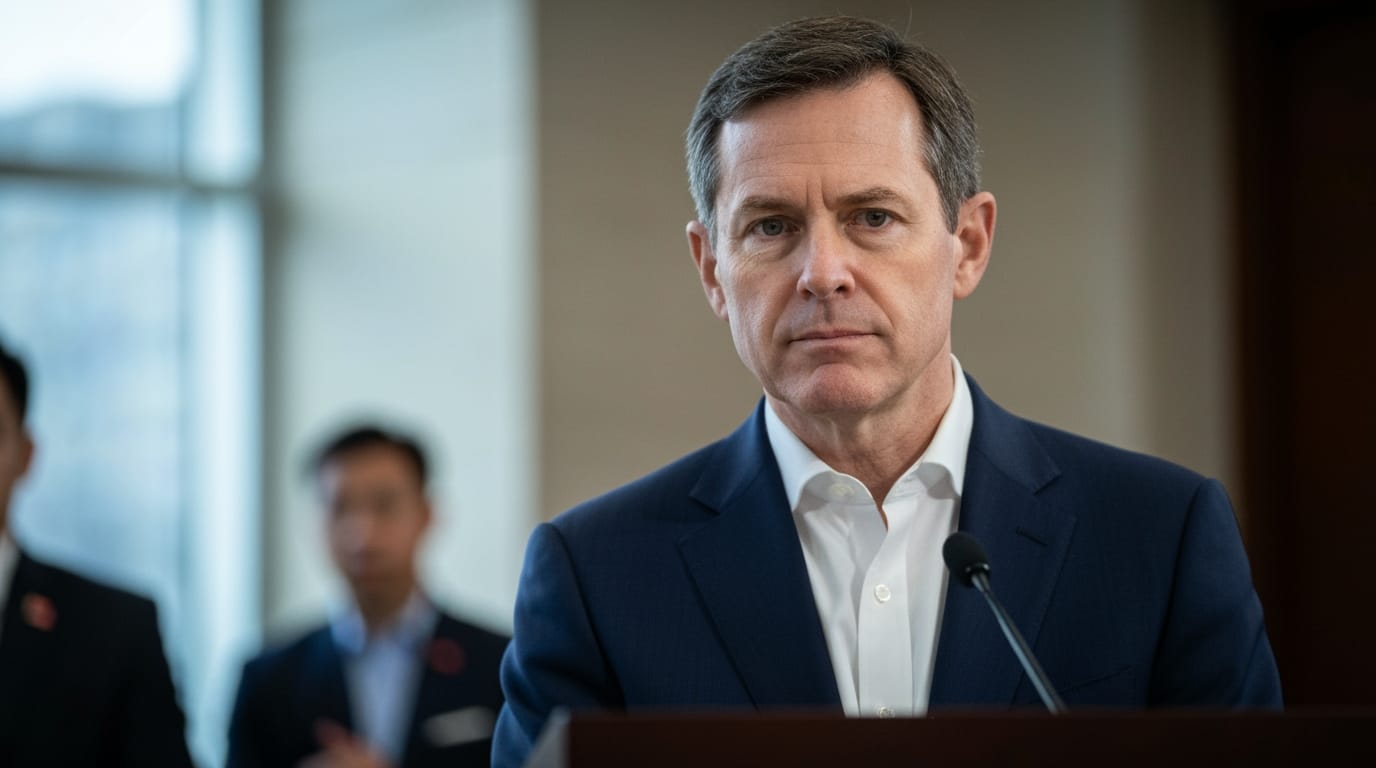
BEIJING – Canadian Prime Minister Mark Carney has declared a "new era of relations" with China, embarking on a high-stakes visit to Beijing aimed at resetting a bilateral relationship that has been fraught with tension for nearly a decade. The four-day trip, the first by a Canadian prime minister since 2017, seeks to forge a "new strategic partnership" across economic, trade, and diplomatic fronts, marking a significant recalibration of Canada's foreign policy.
The landmark visit comes as both nations navigate a complex global landscape, with Canada eager to diversify its trade relationships beyond the United States and China looking for stable international partners. Carney's discussions with top Chinese officials, including Premier Li Qiang and President Xi Jinping, signal a concerted effort to mend strained ties and unlock new avenues for cooperation, despite lingering disagreements on key issues.
A Diplomatic Reset: Moving Past a Decade of Friction
Prime Minister Carney's arrival in Beijing has been met with declarations of a "turnaround" in relations from both sides, signaling a determined effort to overcome years of diplomatic frost. Premier Li Qiang welcomed the shift, stating that Carney's meetings would pave the way for "upward growth" in the relationship. This marks a stark departure from the preceding period, which saw Canada-China relations plunge to their lowest point in decades.
The bilateral relationship deteriorated significantly after 2018, following Canada's arrest of Huawei CFO Meng Wanzhou on a U.S. extradition warrant, which was quickly followed by China's detention of Canadian citizens Michael Kovrig and Michael Spavor. These events triggered a period of intense diplomatic and trade friction, with tit-for-tat actions and a palpable chill in high-level engagement. During this time, Canada's previous government had characterized China as a "disruptive global power" with diverging values. However, a shift began to take shape following Carney's meeting with President Xi Jinping in South Korea last October, which was described as a turning point.
Carney, who just last year (April 2025) identified China as the "biggest security threat" to Canada due to foreign interference and Arctic activities, has now articulated a more nuanced approach. In September 2025, he proposed "deep" collaboration with Beijing on areas like energy, climate change, and basic manufacturing, while emphasizing the need for "guardrails" around national security matters. This dual strategy underpins the current visit, aiming for engagement where possible, while acknowledging persistent areas of concern.
Economic Imperatives and Opportunities for Growth
A primary driver for the renewed engagement is the significant economic potential that China, Canada's second-largest trading partner after the United States, represents. Carney's delegation includes key ministers, such as Foreign Affairs Minister Anita Anand and Energy and Natural Resources Minister Tim Hodgson, underscoring the visit's heavy trade focus. The Canadian government's stated goal is to double non-U.S. exports over the next decade, making China a crucial market for achieving this ambition.
During the visit, Canada and China signed a renewed pact promising greater cooperation on both clean and conventional energy. This memorandum of understanding recognizes Canada's potential as an important partner for responsibly produced and reliable global oil, liquefied natural gas (LNG), and liquefied petroleum gas (LPG) supply. This comes as Canada seeks to expand its energy exports beyond the U.S., leveraging improved access to Asia via the Trans Mountain Pipeline, which came online in 2024.
Carney also engaged extensively with Chinese business leaders from major firms like Alibaba, China National Petroleum, EV battery giant Contemporary Amperex Technology (CATL), and ICBC, pitching investments in Canada's clean tech, fintech, and energy sectors. Beyond energy, agreements were made to increase exports of Canadian pet food to China and enhance tourism, alongside re-affirming existing agreements on combating crime.
Navigating Complexities: Tariffs, Security, and Diplomacy
Despite the enthusiasm for renewed partnership, significant hurdles remain, particularly concerning ongoing trade disputes. Canada's imposition of a 100 percent tariff on Chinese electric vehicles and 25 percent tariffs on Chinese steel and aluminum in early 2025 led to retaliatory measures from Beijing. China responded with a 100 percent tariff on Canadian canola products and a 25 percent tariff on Canadian seafood and pork exports.
These tariffs have heavily impacted Canadian agricultural producers, especially in Atlantic and western provinces. While the current visit has not yielded a breakthrough on these tariffs, discussions are ongoing, with Canadian officials under pressure to secure concessions from Beijing. Any resolution could involve a trade-off related to Canada's levies on Chinese electric vehicles, a point of contention for provinces like Ontario, which seek to protect domestic jobs.
The broader security landscape also factors into these delicate negotiations. While Canada seeks economic opportunities, it maintains its commitment to national security and international principles. Foreign Affairs Minister Anita Anand noted that Canada's relationship with China is being "recalibrated," stopping short of calling it a complete "reset." Canada continues to adhere to its one-China policy, and recent actions, such as advising Liberal Members of Parliament to cut short a visit to Taiwan to avoid diplomatic complications, reflect this stance.
The Path Forward: Cautious Optimism and Enduring Challenges
The current diplomatic offensive by Prime Minister Carney represents a strategic effort to stabilize and grow Canada's relationship with a crucial global power. The discussions in Beijing have laid a foundation for increased cooperation in areas of mutual benefit, particularly in trade and energy, while attempting to address past grievances. Carney expressed optimism, stating that the progress made in recent months will help set Canada and China up for a "new world order," aiming to create "greater stability, security, sustainability and prosperity for all of our peoples."
However, the long history of Canada-China relations, marked by periods of both cooperation and significant divergence, underscores the enduring challenges. While the current emphasis is on moving forward, the complexities of human rights, national security concerns, and geopolitical competition will continue to shape the trajectory of this evolving partnership. The success of this "new era" will depend on both nations' ability to consistently manage these multifaceted issues, transforming intent into sustained, mutually beneficial outcomes.
The journey towards a truly strategic and stable partnership is a long one, requiring careful diplomacy and a balanced approach from both Ottawa and Beijing. This visit, however, signals a clear intent to embark on that path, aiming to find common ground in an increasingly divided world.


