Cargo Ship Attacked Off Yemen, Reigniting Red Sea Security Fears
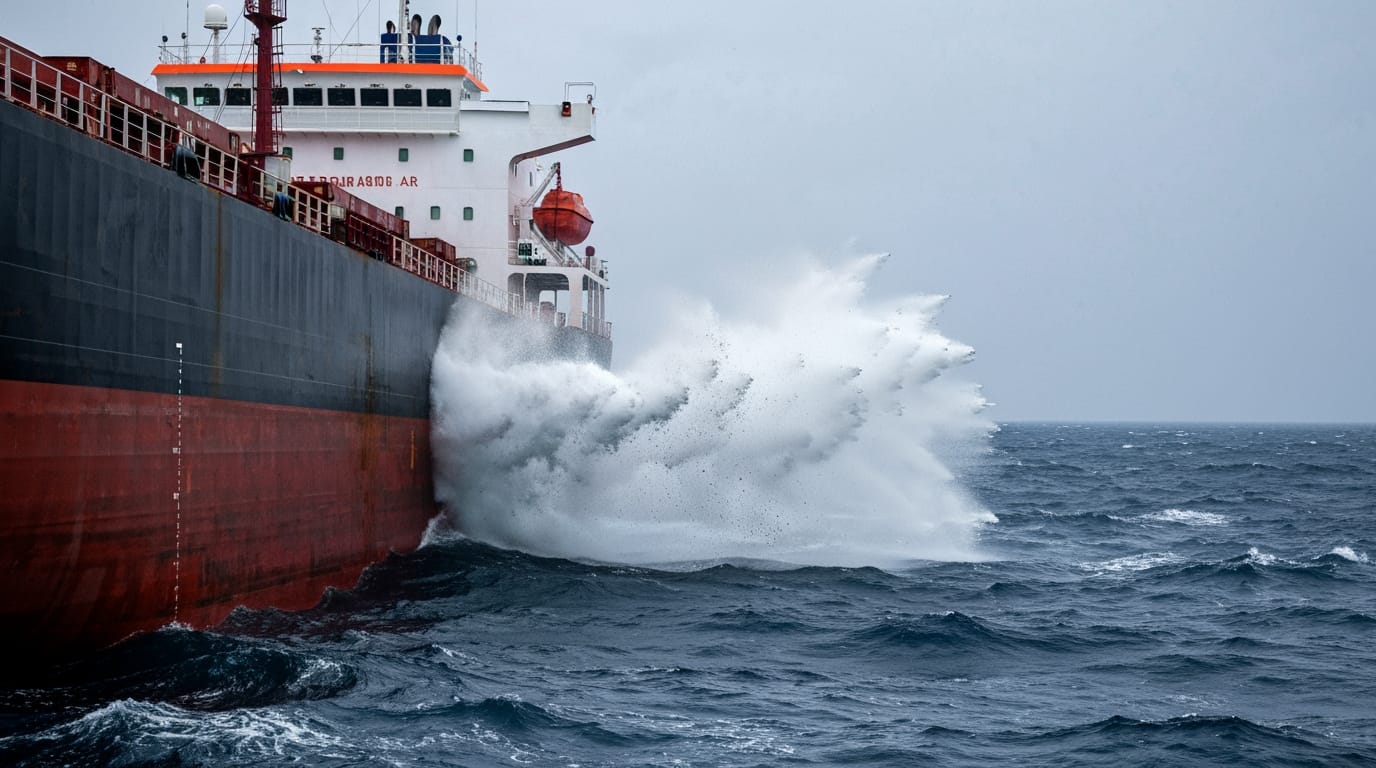
A cargo ship came under attack Sunday off the coast of Yemen in the Red Sea, marking a concerning escalation in maritime hostilities in a vital global shipping lane. The incident, reported by the British military, involved unknown assailants firing upon a bulk carrier near the Houthi-controlled city of Hodeida, prompting renewed concerns about the stability of international trade routes. While the vessel and its crew were reported safe, the assault underscores the persistent dangers in a region already grappling with prolonged conflict and geopolitical tensions.
The Latest Incident: A Close Call in Troubled Waters
The United Kingdom Maritime Trade Operations (UKMTO) confirmed that a cargo ship triggered a distress alert, reporting it was "under attack by unknown armed assailants" approximately 30 nautical miles (55 kilometers) southwest of Hodeida. According to the UKMTO, a skiff approached the bulk carrier and opened fire. The ship's security guards returned fire, successfully deterring the attackers, who then retreated to a larger vessel positioned about two nautical miles (3.7 kilometers) away, notably with its automatic identification system switched off.
Authorities are actively investigating the incident, though no group immediately claimed responsibility for the attack. The proximity to Hodeida, a port city under the control of the Iranian-backed Houthi rebels, places the incident within a historical pattern of maritime aggression linked to the group. This event follows earlier threats from the Houthis to resume attacks on shipping, despite a period of relative calm.
Resurgence of Red Sea Tensions Amidst Broader Conflicts
The Red Sea crisis, an ongoing armed conflict and maritime security challenge instigated by the Houthis, has profoundly impacted global shipping since late 2023. The Houthis began launching missiles and armed drones at Israel in response to the Gaza war, and subsequently expanded their attacks to dozens of merchant and naval vessels traveling through the Red Sea, claiming these ships were linked to Israel. While the Houthis initially vowed to target only Israel-linked ships, they have targeted vessels connected to various nations indiscriminately.
Over the past year and a half, the region has witnessed cycles of intense attacks, international military responses, and periods of de-escalation. From January 2024, a coalition led by the United States and the United Kingdom launched air and missile strikes against Houthi targets in Yemen. A reported ceasefire between the U.S. and the Houthis in May 2025 led to a cessation of U.S. strikes, and Houthi attacks on international shipping reportedly halted with the implementation of a Gaza peace plan in October 2025. However, tensions flared again in February and March 2026, with the Houthis threatening to escalate and resuming attacks amidst the 2026 Iran war. This latest attack on July 5, 2026, suggests a renewed and dangerous phase in the ongoing maritime crisis.
Global Economic Fallout: A Chilling Effect on Trade
The Red Sea is an indispensable artery for global commerce, handling approximately 12% of the world's trade and serving as a crucial link between Asia and Europe via the Suez Canal. The sustained Houthi attacks have forced major shipping companies, including industry giants like Maersk, to reroute their vessels around the Cape of Good Hope, adding thousands of nautical miles and significantly extending journey times by 10 to 14 days for routes from Asia to Europe. This rerouting has caused a dramatic reduction in traffic through the Bab al-Mandab Strait and the Suez Canal, with daily transit trading volume decreasing by nearly 57.5% between late 2023 and early 2024.
The economic repercussions have been substantial. Freight and insurance costs have surged, with insurance premiums for ships in the Red Sea reportedly increasing nearly tenfold since the attacks began. These increased operational expenses, including higher fuel consumption and extended transit times, are ultimately passed down to consumers, contributing to higher global prices and disrupting supply chains across various industries, from automotive and electronics to agriculture. The crisis has exposed vulnerabilities in global supply chains, leading to delays and disruptions that have already caused production halts in some sectors.
A Perilous Maritime Corridor and the Call for Vigilance
The strategic importance of the Red Sea cannot be overstated, particularly the narrow Bab al-Mandab Strait, which is the southern maritime gateway to the Suez Canal. Any sustained disruption in this area sends ripple effects throughout the global economy, impacting the movement of goods, including energy supplies, with 12% of seaborne oil and 8% of liquefied natural gas (LNG) transiting the Suez Canal. The ongoing threat necessitates continued vigilance from international maritime forces and commercial shipping operators. Naval coalitions like Operation Prosperity Guardian and Operation Aspides were formed to protect commercial vessels, highlighting the global commitment to securing this critical waterway.
Beyond the Houthi threats, the broader maritime environment near Yemen remains precarious. Just days before Sunday's incident, suspected Somali pirates attacked a vessel in the Gulf of Aden, further emphasizing the multifaceted security challenges in the wider region. The presence of multiple threats, from state-backed actors to opportunistic criminal groups, complicates efforts to ensure safe passage for vessels.
Unpredictable Future for a Vital Artery
The latest attack in the Red Sea serves as a stark reminder of the volatile security landscape off the coast of Yemen and its far-reaching implications for global trade and geopolitical stability. Despite previous attempts at de-escalation and ceasefires, the resurgence of maritime aggression signals that the Red Sea crisis remains a potent threat. As authorities investigate the specifics of Sunday's incident, the international community continues to face the complex challenge of safeguarding a critical maritime artery against unpredictable and evolving threats, ensuring the free flow of goods and mitigating further economic disruptions. The fragile peace in the region, intertwined with broader conflicts, dictates that vigilance and robust security measures will remain paramount for the foreseeable future.


