Ceuta Overwhelmed: Thousands Breach Border in Unprecedented Migrant Surge

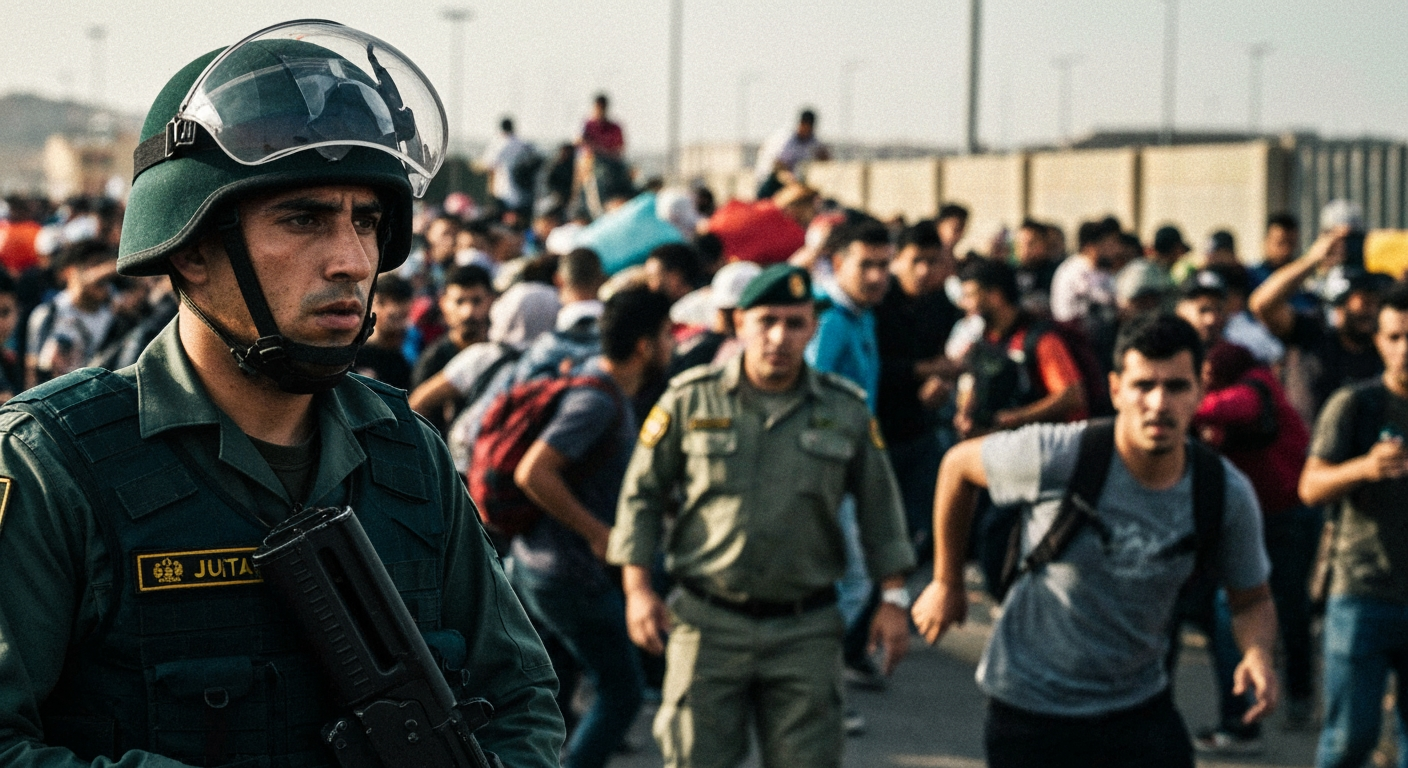
CEUTA, Spain – In a dramatic escalation of migratory pressures and diplomatic tensions, thousands of individuals streamed into Spain’s North African exclave of Ceuta in May 2021, transforming its beaches and streets into scenes of chaos. The unprecedented influx, largely consisting of Moroccan nationals, unfolded over two days and presented a formidable challenge to Spanish authorities, triggering a significant humanitarian and security crisis that reverberated across Europe.
The Deluge on Europe's Edge
Beginning in the early hours of May 17, 2021, an estimated 8,000 to 10,000 people bypassed Moroccan border controls and entered Ceuta, an autonomous Spanish city sharing a land border with Morocco. The vast majority entered by sea, swimming or wading around the breakwaters that separate Morocco from the Spanish territory at beaches such as Benzú and El Tarajal. Eyewitness accounts and video footage captured crowds, predominantly young men, but also families with women and children, making the perilous journey. Among those who crossed, approximately 1,500 were unaccompanied minors, posing immediate and complex humanitarian challenges. The sheer scale and speed of the arrivals quickly overwhelmed Ceuta’s resources, leaving its population of roughly 85,000 grappling with an unforeseen crisis.
A Diplomatic Storm Behind the Border Breach
The sudden surge of migrants was not a spontaneous event but rather a direct consequence of a severe diplomatic breakdown between Spain and Morocco. The catalyst for this deterioration was Spain's decision in April 2021 to provide medical treatment for Brahim Ghali, the leader of the Polisario Front, a Sahrawi independence movement that seeks self-determination for Western Sahara. Ghali, suffering from COVID-19, was admitted to a Spanish hospital in La Rioja under a false identity for humanitarian reasons.
Morocco, which claims sovereignty over Western Sahara and considers the Polisario Front a separatist organization, viewed Spain's actions as a hostile gesture and a breach of trust. Rabat expressed outrage, summoning the Spanish ambassador and warning of "consequences." In what was widely interpreted as retaliation, Moroccan security forces reportedly relaxed their border controls, allowing thousands of migrants to access the Spanish enclave. Some migrants later affirmed that Moroccan police had permitted their passage. This strategic loosening of border security by Morocco served as a potent diplomatic tool, putting immense pressure on Spain and drawing international attention to the long-standing dispute over Western Sahara.
Spain's Scramble: Security, Repatriation, and Humanitarian Strain
In response to the unfolding crisis, the Spanish government moved swiftly to regain control. Prime Minister Pedro Sánchez canceled a trip to Paris and, along with Interior Minister Fernando Grande-Marlaska, traveled to Ceuta to assess the situation firsthand. Spain deployed its military to reinforce the Civil Guard and local police forces at the border, with soldiers assisting in managing the influx and returning migrants. Spanish authorities initiated a rapid return process, stating that individuals who had entered irregularly would be "immediately returned" under a bilateral agreement with Morocco. Within days, thousands of adults were repatriated.
However, the situation created significant humanitarian challenges. Ceuta's reception centers quickly became overwhelmed, with hundreds of migrants forced to sleep outdoors. The care of the nearly 1,500 unaccompanied minors became a particular concern. Spanish social services in Ceuta struggled to cope, with plans subsequently developed to distribute these children among Spain's autonomous communities. Tragic consequences also emerged from the chaotic crossings, with at least two deaths reported during the incident. The Spanish government declared the event a "serious crisis for Spain and for Europe," highlighting the broader implications for the European Union's external borders.
Lingering Tensions and Recurring Challenges
The May 2021 crisis ultimately eased as Morocco eventually re-established its border controls and accepted the return of its citizens. The diplomatic rift, however, persisted for months. Relations between Madrid and Rabat only began to normalize in March 2022, when Spain shifted its long-standing stance on Western Sahara, publicly backing Morocco's autonomy plan for the region. This policy change was instrumental in restoring bilateral cooperation and ending the diplomatic freeze.
Despite the resolution of the immediate crisis, the events of May 2021 underscored the fragility of border management and the complex interplay of migration and geopolitics. The incident served as a stark reminder of how diplomatic disputes can directly impact migratory flows and create humanitarian emergencies. The challenges at Ceuta's border are recurring; recent events in July 2026 saw another significant influx of migrants, with estimates ranging from 49,000 to 60,000, prompting renewed calls for military intervention and highlighting the enduring nature of these pressures on Spain's North African enclaves.
The Ceuta crisis of 2021, driven by a blend of diplomatic friction and human desperation, brought into sharp focus the vulnerabilities of Europe's southern frontier. While the immediate surge was contained, the underlying migratory pressures and geopolitical sensitivities continue to pose significant challenges for Spain, Morocco, and the wider European Union, requiring sustained diplomatic efforts and comprehensive humanitarian responses.
Related Articles

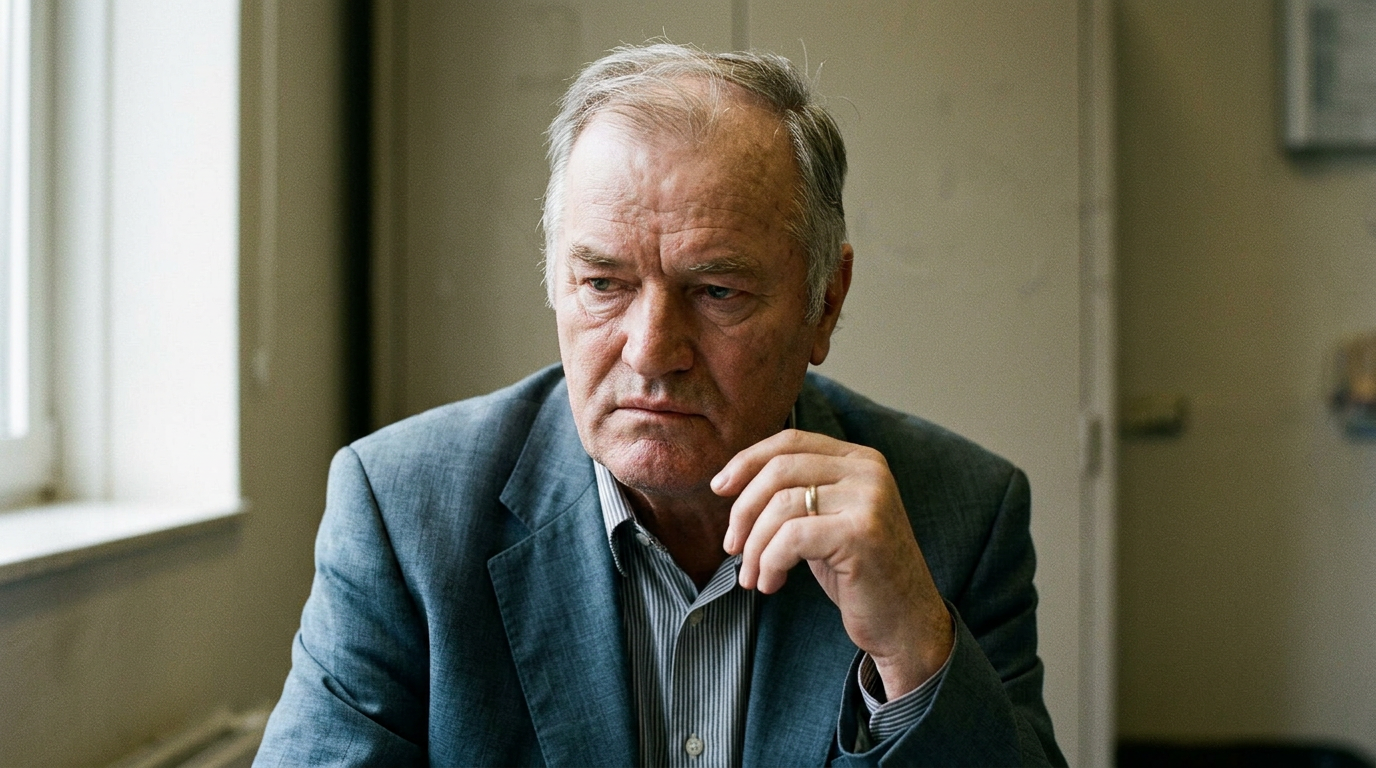
Ratko Mladić, "Butcher of Bosnia" and Convicted War Criminal, Dies at 84
THE HAGUE, Netherlands – Ratko Mladić, the former Bosnian Serb military commander known as the "Butcher of Bosnia" and convicted of genocide, war crimes, and crimes against humanity, has died at the age of 84. Serbian...

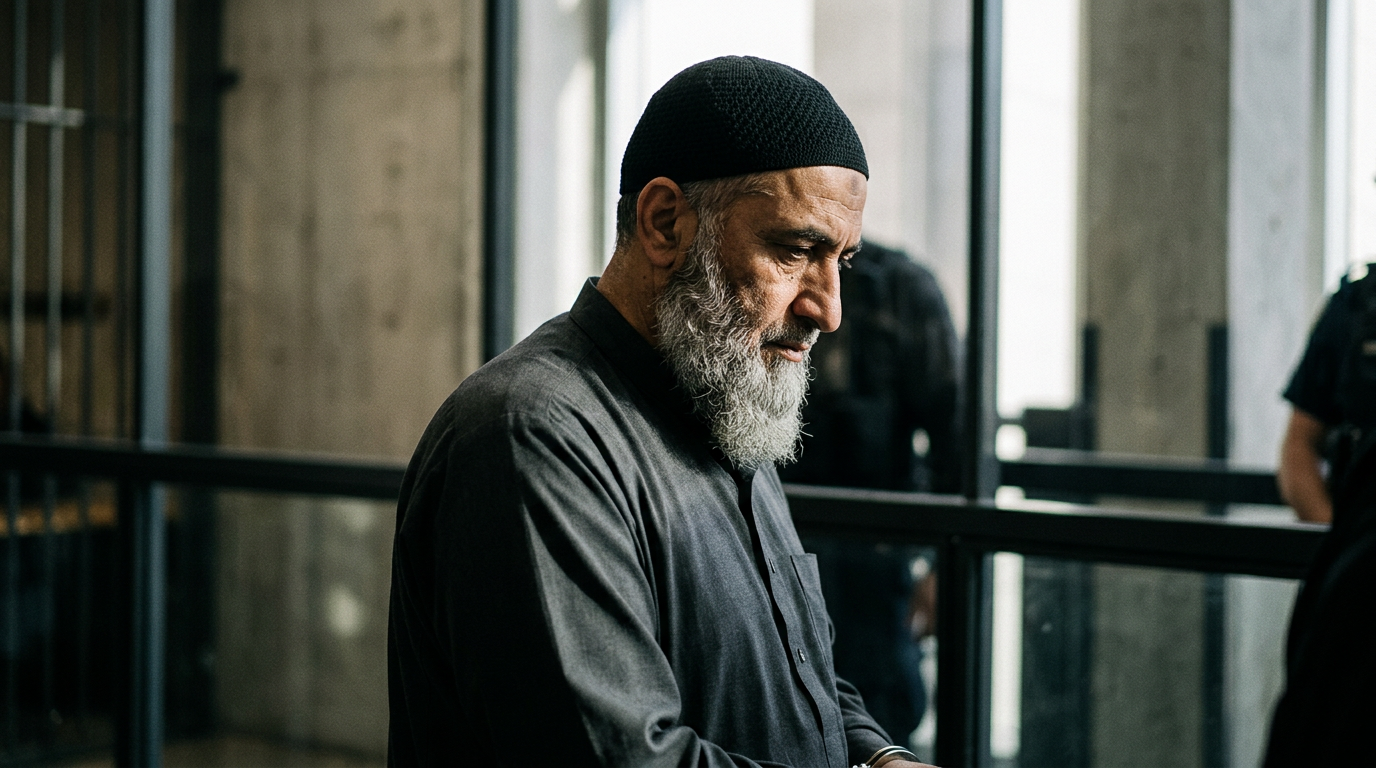
Long-Awaited 9/11 Mastermind Trial Set for 2028, Decades After Attacks
GUANTANAMO BAY, Cuba – Nearly a quarter-century after the devastating terror attacks of September 11, 2001, a military judge has finally set a trial date for Khalid Sheikh Mohammed, the alleged mastermind behind the...