Chancellor Merz Forges Complex Web of International Alliances in Shifting Global Landscape
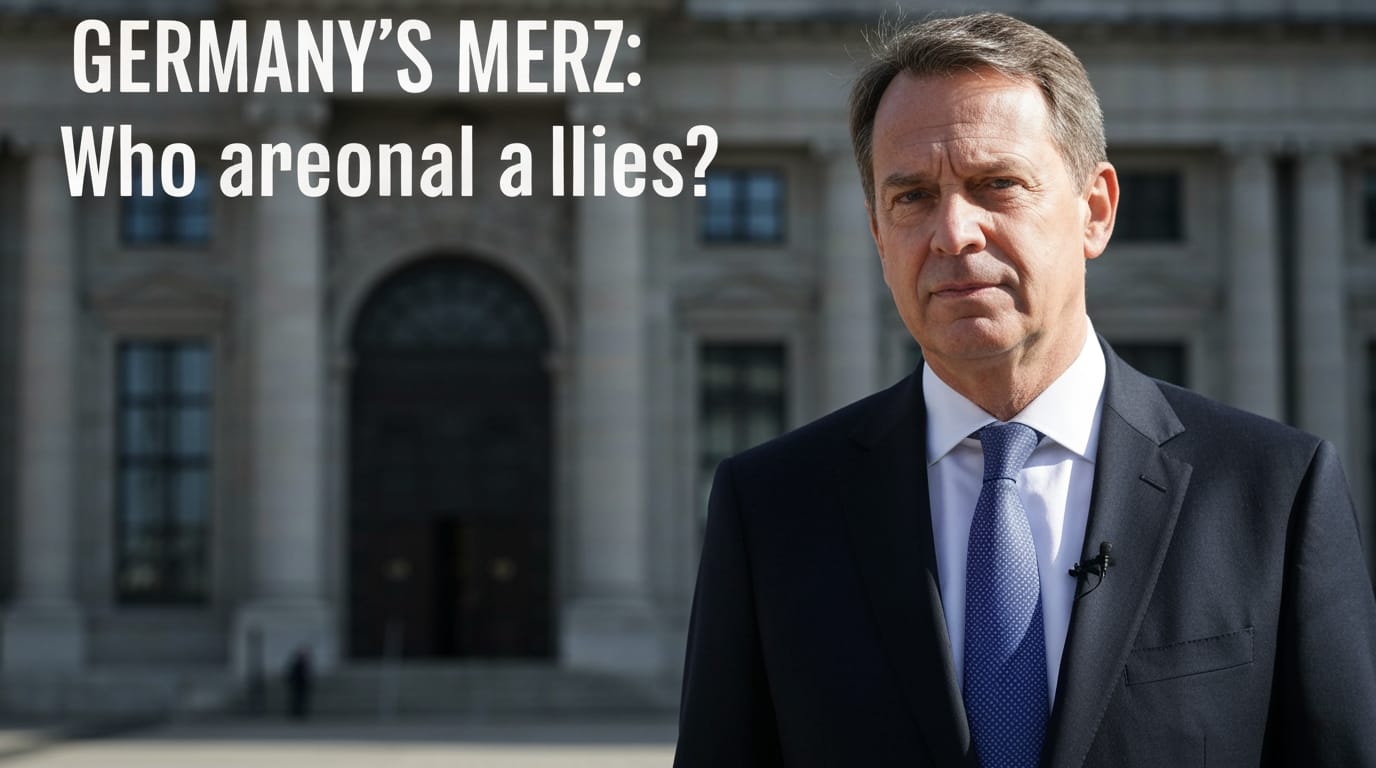
BERLIN – German Chancellor Friedrich Merz is meticulously navigating a rapidly evolving geopolitical landscape, defining Germany's international alliances through a blend of traditional Western commitments, a push for greater European autonomy, and pragmatic engagement with rising global powers. Since taking office in May 2025, Merz has embarked on an ambitious foreign policy agenda, asserting Germany's role on the world stage while seeking to balance enduring partnerships with the imperative for strategic independence in an increasingly multipolar world. His approach underscores a commitment to the European Union and NATO, alongside a complex recalibration of relations with the United States, China, and even Russia.
Reaffirming the Transatlantic Bond Amidst Shifting Sands
A long-standing advocate for transatlantic cooperation, Friedrich Merz has historically been described as "exceptionally pro-American" and previously chaired the Atlantik-Brücke, an association dedicated to fostering German-American friendship and Atlanticism. His chancellorship initially saw efforts to establish a positive working relationship with U.S. President Donald Trump, with both leaders, described as conservatives, former businessmen, and multimillionaires, finding common ground on issues like cracking down on irregular immigration. Merz has consistently reaffirmed the United States as Germany's "most critical partner," emphasizing that the alliance's framework would remain intact despite potential disagreements.
However, this foundational relationship has faced undeniable strains. Merz has publicly criticized U.S. trade policy and foreign policy, making what some have called "disparaging remarks" about American culture. Speaking at the Munich Security Conference in February 2026, Merz acknowledged a "divide, a deep rift" that had opened across the Atlantic, urging the U.S. and Europe to "repair and revive trans-Atlantic trust together". He underlined that even the U.S. cannot "go it alone" in a world where the old order has withered. Merz's administration is preparing for a "change in transatlantic relations," signaling a pragmatic acceptance of evolving dynamics while expressing hope for Washington to remain a partner. This includes Germany actively exploring concepts like a shared European nuclear umbrella to complement existing security arrangements with the U.S., a reflection of Europe's growing need for self-reliance in defense.
Fortifying European Unity and Defense Capabilities
At the core of Merz's foreign policy is a staunch commitment to European integration and the strengthening of European defense. He describes himself as "truly European" and advocates for a closer union and the establishment of "an army for Europe". His administration views German foreign and security policy as firmly "anchored in Europe," asserting that Europe must preserve its values, protect its freedom, and build on its own strengths in an era of increasing global tensions. This vision is closely aligned with the European People's Party (EPP), to which Merz's Christian Democratic Union (CDU) belongs, connecting him with other prominent conservative European leaders like European Commission President Ursula von der Leyen and EPP Chairman Manfred Weber.
The Franco-German relationship serves as a pivotal foundation for advancing shared interests and ensuring regional security. Merz has actively sought to strengthen ties with France, envisioning a long-term goal of a joint European army and affirming support for joint weapons development projects like the Future Combat Air System (FCAS) to reduce dependence on U.S. weaponry. His government also maintains strong ties with other key European partners, engaging in formats like the Weimar Triangle with France and Poland to deepen bilateral relations and cooperation on security, infrastructure, and migration policy. Under his leadership, Germany is committed to playing a leading role in European security, demonstrating a willingness to engage cooperatively with allies for common goals.
Crucially, Merz emphasizes the need for Europe to establish a "strong, self-supporting European pillar" within NATO. He has pledged to significantly increase Germany's defense spending, aiming to build "the strongest conventional army in Europe" to deter aggression and meet the demands of international allies. This focus on bolstering European military capabilities is a direct response to the perceived instability in global affairs and the need for Europe to shoulder a greater share of its own security burden, especially in light of shifting U.S. foreign policy priorities.
Navigating the Complexities of Global Powers: Russia, China, and the Middle East
Merz's foreign policy extends to complex and often contradictory engagements with other global powers. On Russia, his government initially maintained a firm stance, defining Russia as the principal direct threat to Germany's security due to its aggression against Ukraine. Merz has been an "ardent supporter of Ukraine," with his administration providing substantial civilian and military aid to Kyiv, viewing it as essential for restraining Russia's imperial ambitions.
However, a notable shift in rhetoric emerged in early 2026 when Merz joined European leaders like Italy's Prime Minister Giorgia Meloni and French President Emmanuel Macron in calling for a "rebalancing of relations" and a restart of contacts with Russia. He described Russia as a "European country" and expressed hope for a "window for diplomacy" to open for peace talks, a departure from his previous hardline refusal to engage with President Vladimir Putin. This move, while signaling a potential pragmatic turn, underscores the ongoing debate within Europe regarding future engagement with Moscow.
Regarding China, Merz's administration faces the dual challenge of economic interdependence and geopolitical rivalry. While acknowledging China's "elevated global standing" and the necessity of its involvement in addressing major global issues, Merz has signaled openness to a tougher European approach on trade. He has stated that the EU must protect itself against "trade-distorting practices by other states" and indicated a willingness to "enrich our toolbox" to safeguard European interests and the economy. However, this stance is complicated by internal divisions within his government and Germany's significant economic reliance on China, particularly in sectors like the automotive industry. Merz's visit to Beijing in February 2026 aimed to address trade issues and deepen a "comprehensive strategic partnership" while simultaneously working to reduce Germany's economic dependence on the world's second-largest economy.
In the Middle East, Merz has demonstrated a strong commitment to Israel's security, defining it as an "unconditional element of German state rationale". His administration has consistently opposed international efforts to isolate Israel and has expanded defensive military exports to the country. Furthermore, Merz undertook a diplomatic tour of Gulf states, including Saudi Arabia, Qatar, and the United Arab Emirates, in February 2026. This visit was aimed at diversifying Germany's energy imports and expanding strategic alliances, notably adopting a less restrictive stance on arms exports to these nations to reduce economic reliance on the United States and China. His administration also seeks to expand cooperation with Türkiye, recognizing its "vital strategic role" within NATO.
Conclusion: A Pragmatic Path in a Precarious World
Chancellor Friedrich Merz's foreign policy is a multifaceted endeavor, reflecting Germany's pragmatic approach to securing its interests in a world marked by increasing tension and shifting power dynamics. His commitment to the European Union and NATO remains steadfast, serving as the bedrock of Germany's international engagement. Yet, his leadership also demonstrates a clear push for greater European strategic autonomy, evidenced by efforts to strengthen defense capabilities and a willingness to critically assess long-standing alliances. The complex engagements with Russia and China, characterized by both confrontation and a search for dialogue or cooperation, highlight the intricate balancing act Merz performs. Ultimately, his international allies are a diverse group, reflecting Germany's ambition to be a sovereign, influential, and secure actor that can adapt to challenges while upholding its core values.


