Women's Inheritance Reform Stalls Across Arab World Amidst Legal, Cultural, and Political Obstacles
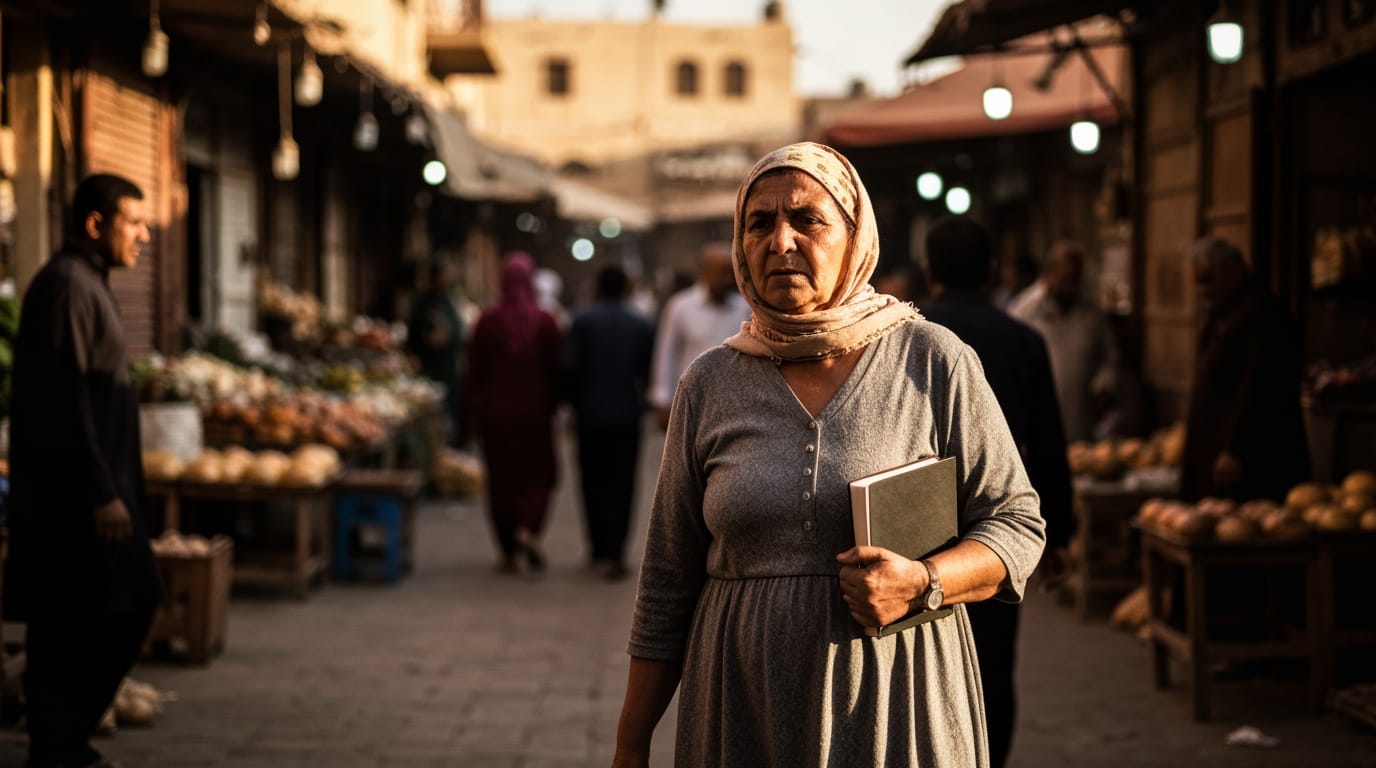
Doha, Qatar – Decades of advocacy for gender equality in the Arab world have seen significant progress in some areas of women's rights, yet efforts to reform inheritance laws remain largely stalled, trapping millions of women in economic vulnerability and perpetuating societal inequities. This stagnation stems from a complex interplay of legal interpretations, deeply entrenched cultural norms, and persistent political resistance, preventing women from achieving full financial autonomy and hindering broader socio-economic development across the region.
The Enduring Legacy of Unequal Inheritance
At the core of the issue is the pervasive application of personal status laws, largely derived from traditional interpretations of Islamic Sharia law, which typically stipulate that women inherit half the share of their male counterparts. This 2:1 ratio for male to female heirs is a foundational principle in inheritance jurisprudence across many Arab states, including Saudi Arabia, Egypt, and the Maghreb countries of Algeria, Morocco, and Tunisia. While Islamic law, particularly Quranic verses, originally introduced specific shares for women, marking an improvement from pre-Islamic practices where women were often entirely excluded from inheritance, contemporary interpretations and enforcement have created disparities that activists contend are no longer aligned with modern societal realities or principles of justice.
These provisions, detailed in the Quran, assign fixed proportions to specific heirs such as spouses, children, and parents. For instance, a son typically receives twice the share of a daughter, while a surviving spouse's portion varies depending on the existence of children. The prescriptive nature of these laws, particularly concerning inheritance, is seen by many as sacred and immutable, leaving little room for personal choice in wills beyond one-third of an estate.
Legal and Political Roadblocks to Reform
Attempts to modernize or equalize inheritance laws have consistently encountered formidable legal and political barriers. A primary hurdle lies in the intertwining of religious and civil law in many Arab nations, where Sharia is not merely a source of legislation but often the primary framework for family matters. This integration makes any proposed changes inherently contentious, often framed by opponents as an attack on religious principles. In Tunisia, a country often considered at the forefront of women's rights in the Arab world, a 2018 bill proposing equal inheritance shares—with an opt-out clause allowing individuals to adhere to the traditional 2:1 ratio—faced fervent opposition from conservative religious circles and political parties. Despite having a constitution that guarantees gender equality, the bill was ultimately shelved, with some political figures asserting that the issue is unequivocally settled by the Quran.
The lack of political will to challenge these deeply ingrained interpretations is a significant factor. While many Arab countries have ratified international human rights conventions, such as the Convention on the Elimination of All Forms of Discrimination Against Women (CEDAW), they often include reservations that preclude addressing inheritance laws, effectively neutralizing the convention's impact on this critical area. Constitutional ambiguities, which might declare Islam as the state religion while also affirming civil state principles and gender equality, further complicate reform efforts, creating a legal and ideological battleground where progressive legislative changes struggle to gain traction.
The Weight of Social Norms and Cultural Resistance
Beyond legal texts, deeply embedded societal norms and patriarchal traditions exert immense pressure, often overriding formal legal provisions and discouraging women from claiming their rightful inheritance, even the smaller share legally allotted to them. In many communities, especially rural ones, family honor and the avoidance of disputes lead women to voluntarily relinquish their shares to male relatives. Studies have shown that a significant percentage of women, such as 60% of those surveyed in Libya and Malaysia, face family pressures that discourage them from pursuing legal claims, and many are simply unaware of their full legal inheritance rights. In Saudi Arabia, over 50% of women, children, and minors are reported to suffer injustice in inheritance cases, often due to a lack of understanding regarding legal processes like power of attorney, which can be exploited by male relatives.
The traditional justification for unequal inheritance—that men bear primary financial responsibility for the family—is increasingly challenged by contemporary realities. Women across the Arab world are increasingly educated, employed in skilled professions, and often serve as primary breadwinners or co-contributors to household incomes. Despite these evolving roles, the outdated premise continues to underpin discriminatory practices, creating a stark disconnect between women's contributions and their economic rights. Cultural views of land, particularly in rural areas, as symbols of family honor and identity, also contribute to the reluctance of male heirs to share land inheritance with women.
Far-Reaching Consequences: Economic and Social Disadvantage
The stalled reform of women's inheritance laws has profound and far-reaching economic and social consequences. Denying women equal access to inherited assets significantly limits their economic empowerment, access to credit, and overall financial independence. This is particularly detrimental for vulnerable groups such as widows, who can lose their land and economic stability overnight, often at the hands of distant family members. This economic marginalization contributes to higher rates of poverty among women and female-headed households, hindering their ability to invest in education, healthcare, or entrepreneurship.
Furthermore, the economic disadvantage of women negatively impacts national development. Studies suggest that when women control assets, it leads to improved outcomes for their children and families, contributing more effectively to the real economy. By limiting women's capacity to own and control property, societies forgo potential economic growth and perpetuate cycles of poverty, making unequal inheritance an obstacle to overall societal development.
The Path Forward: Advocacy, Interpretation, and Incremental Change
Despite the formidable obstacles, women's rights organizations and civil society groups across the Arab world continue to advocate tirelessly for reform. They highlight the incongruity between existing laws and international human rights commitments, as well as the economic imperative of empowering women.
Crucially, there is a growing movement among some Muslim theologians and scholars who argue for a reinterpretation of Islamic texts to align inheritance laws with modern principles of justice and equality, emphasizing the Quran's overarching message of fairness. They contend that interpretations can evolve to reflect contemporary social systems, where women are no longer confined to domestic roles but are active economic contributors.
While comprehensive legislative overhaul remains elusive in most countries, some incremental steps have been taken. Egypt, for instance, passed a law in 2017 imposing jail time and fines on individuals who unlawfully deny women their legally prescribed share of inheritance, aiming to enforce existing (albeit unequal) laws more effectively. Such measures, while not achieving full equality, represent an acknowledgment of the widespread problem of women being denied even their stipulated share due to cultural pressures. Activists in Tunisia continue to push for an inheritance equality bill, though its passage faces continued political and social resistance.
The struggle for women's inheritance reform in the Arab world is a multi-layered challenge, deeply rooted in legal, religious, and socio-cultural frameworks. Progress, where it occurs, is often slow and met with significant resistance. However, the persistent advocacy of women's rights champions, coupled with evolving societal roles and reinterpretations of religious texts, keeps the demand for equality alive, underscoring a protracted but vital battle for justice and empowerment.


