Pakistan Bolsters Defense Spending Amid Intensifying Regional Tensions
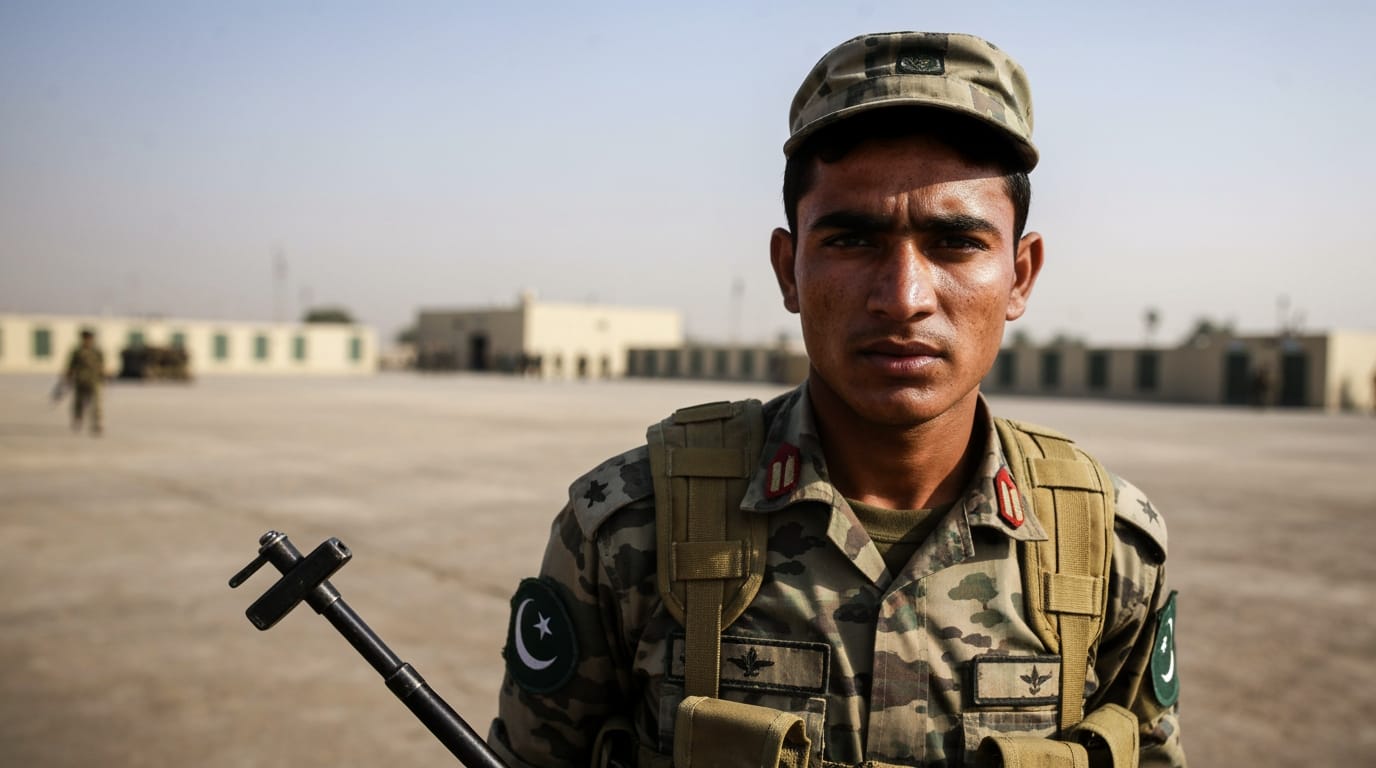
Islamabad, Pakistan – In a move underscoring mounting geopolitical pressures, Pakistan has significantly increased its defense budget, channeling substantial resources towards its military amidst simmering regional conflicts and persistent internal security threats. The decision comes as the nation navigates a complex security landscape, balancing critical defense needs with considerable economic challenges. This increase, particularly pronounced in the most recent fiscal years, reflects Islamabad's resolve to fortify its defenses, modernize its armed forces, and enhance its capacity to respond to both conventional and unconventional threats emanating from its borders.
The latest budget allocations reveal a pronounced upward trend in military expenditure. For the fiscal year 2025-26, Pakistan's government approved a 20% increase in defense spending, earmarking approximately 2.55 trillion Pakistani rupees (around $9 billion) for its armed services. This figure marks the largest hike in a decade and represents a substantial rise from the 2.1 trillion Pakistani rupees ($7.4 billion) allocated in the preceding budget. Further, the budget for the fiscal year beginning July 2026 saw an 18% rise, allocating about $10.6 billion for defense. These increases follow a pattern of growing defense allocation in recent years, with the military's budget nearly doubling over the past five fiscal years, from 1.28 trillion rupees in 2020-21.
Escalating Budget: A Response to Geopolitical Realities
The primary impetus for this substantial defense uplift is attributed to heightened tensions and military confrontations along Pakistan's eastern border, particularly with long-standing rival India. A military confrontation in June 2025, following a tourist massacre in Indian-controlled Kashmir, pushed both nuclear-armed neighbors to the brink of war, resulting in missile and drone strikes and fatalities on both sides. This incident, described as the biggest breakdown in relations since 2019, served as a stark reminder of the volatile security dynamics in South Asia. While Pakistan's defense budget has grown, analysts note that it remains considerably smaller than India's, with India's annual defense budget exceeding $80 billion—nearly nine times larger than Pakistan's estimated $9 billion allocation. India also increased its own defense spending by 9.5% in February, with its capital modernization budget alone estimated to be more than double Pakistan's entire defense budget.
Beyond the eastern front, Pakistan faces significant and complex security challenges on its western border with Afghanistan. The resurgence of the Afghan Taliban in 2021 has inadvertently fueled cross-border terrorism, with groups like Tehrik-i-Taliban Pakistan (TTP) and Islamic State-Khorasan (IS-K) exploiting porous border regions to launch attacks within Pakistan. Pakistan has accused Kabul of harboring these militants, a charge Afghanistan denies, leading to deteriorating bilateral relations and periodic military standoffs. The increase in militant attacks, including a 56% rise between 2021 and 2023, coupled with challenges such as narcotics trafficking and illegal migration, has necessitated a robust response in border management and counter-terrorism operations.
Modernization Amidst Economic Headwinds
The boosted defense allocation is largely directed towards modernizing Pakistan's armed forces and enhancing operational readiness. This includes investments in advanced naval vessels, combat aircraft, missile systems, and submarines, aligning with the country's vision for a robust defense infrastructure. The funds are also critical for maintaining existing military assets, covering salaries, training, healthcare for personnel, and the acquisition and development of new equipment. Counter-terrorism efforts, border fencing projects, and intelligence-based operations further absorb a significant portion of these funds. The aim is to maintain a "minimum credible defense capability" and support nuclear deterrence, rather than pursuing military superiority.
This substantial increase in defense spending occurs at a precarious time for Pakistan's economy. The nation has been grappling with slow growth, high living costs, and inflationary pressures, operating under the strict conditions of a $7 billion program with the International Monetary Fund (IMF). Critics argue that the military budget consumes a significant portion of the federal budget, often at the expense of crucial social sectors. For instance, in the 2024-25 fiscal year, while defense spending surged, essential sectors like education and healthcare received only 2% and 1.3% of GDP, respectively. This has sparked debates about the impact on Pakistan's socio-economic growth, with some studies suggesting a negative correlation between high defense expenditure and economic development. Despite these economic hardships and IMF-imposed austerity measures, the prioritization of defense underscores the perceived urgency of the security situation.
Shifting Geopolitical Landscape and Strategic Alliances
Pakistan's defense strategy is also being shaped by broader geopolitical shifts and its evolving strategic partnerships. China continues to be a key defense partner, enhancing Pakistan's capacity-building initiatives through collaborative projects and technology sharing. Simultaneously, Pakistan has been recalibrating its relations with the United States and forging new partnerships with countries like Russia and Azerbaijan. This multifaceted diplomatic approach aims to strengthen indigenous capabilities and maintain a credible deterrent against regional threats, reflecting a "security-first approach" that has historically underpinned its foreign policy.
The country's military doctrine, particularly post-2022, has been recalibrated to address both conventional and sub-conventional threats, signaling a willingness to use force not only defensively but also to advance the settlement of historic disputes. Furthermore, the increasing interconnection between maritime security, energy geopolitics, and regional diplomacy, particularly in the Arabian Sea, emphasizes the need for a robust naval presence and advanced surveillance systems.
In conclusion, Pakistan's elevated defense spending reflects a calculated response to a complex and volatile security environment. Driven by persistent tensions with India and the imperative to counter cross-border terrorism from Afghanistan, Islamabad is investing heavily in its military capabilities. This strategic choice, while critical for national security, places additional strain on an already struggling economy, highlighting the difficult balance the nation must strike between safeguarding its borders and fostering socio-economic development. The implications of these decisions will undoubtedly shape Pakistan's trajectory in the coming years, both domestically and on the regional stage.


