Channel Tunnel Power Fault Triggers Mass Disruption, Eurostar Services Back on Track Amid Lingering Delays
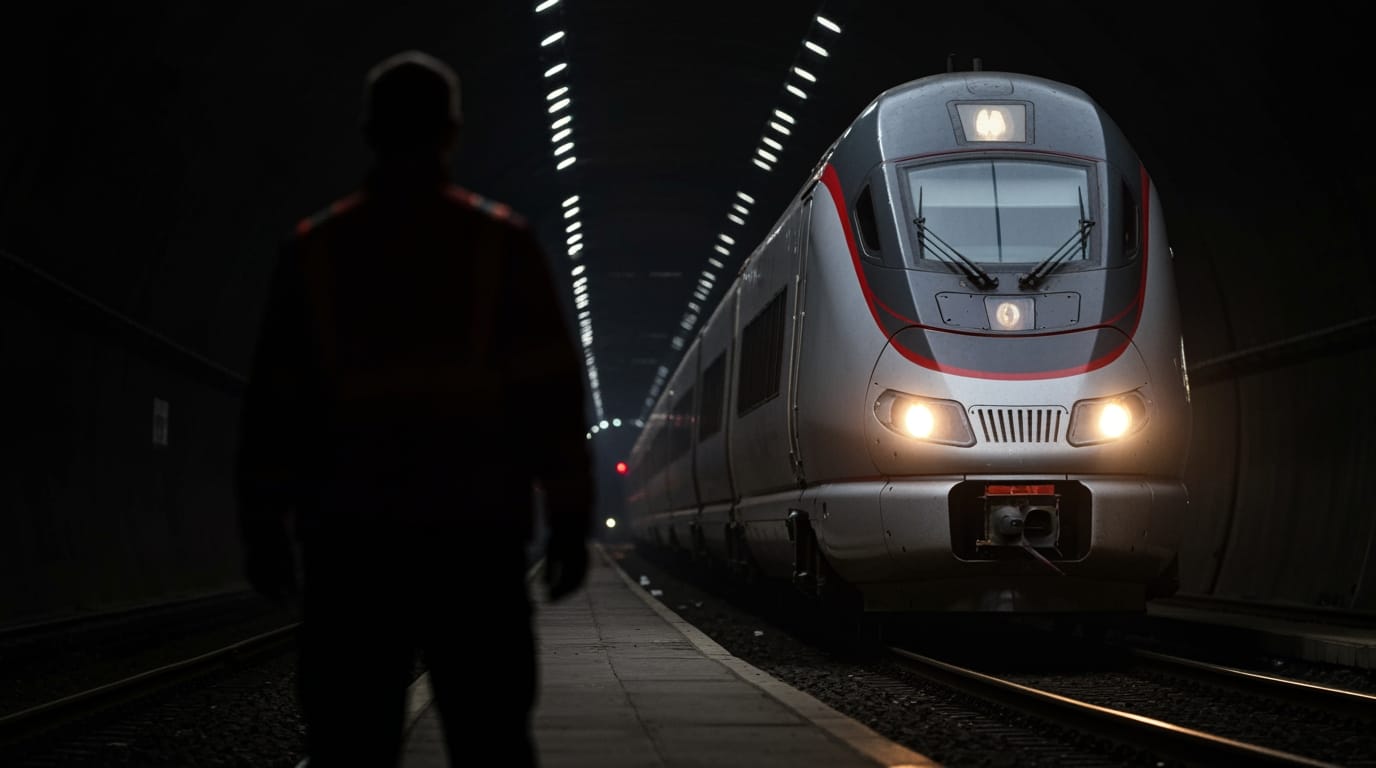
London/Paris, Dec. 31, 2025 – Cross-Channel rail services, including Eurostar, are largely back on schedule today after a significant power supply failure in the Channel Tunnel paralyzed operations for much of Tuesday, December 30, leaving thousands of New Year’s travelers stranded across the United Kingdom and continental Europe. The disruption, which coincided with one of the busiest travel periods of the year, caused widespread cancellations and severe delays, forcing passengers to scramble for alternative arrangements or endure long, uncertain waits at stations and onboard trains.
The Disruption Unfolds
The technical glitch began late Monday night, December 29, when an incident related to the overhead power supply to trains occurred within the 31-mile undersea Channel Tunnel. This initial power issue was exacerbated by the failure of a LeShuttle train, which transports vehicles, inside the tunnel. The combination of these events effectively halted all rail traffic through the crucial link between Folkestone, England, and Coquelles, France.
By Tuesday morning, Eurostar, the high-speed passenger rail operator, had suspended all services between London, Paris, Amsterdam, and Brussels. Even continental services not utilizing the Channel Tunnel, such as those between Paris and Brussels, experienced cancellations. The scale of the problem became immediately apparent as major stations like London St Pancras International and Paris Gare du Nord swelled with frustrated passengers, many of whom had their end-of-year holiday plans thrown into disarray.
Passenger Ordeal and Operational Challenges
The impact on travelers was immediate and severe. Thousands of individuals found themselves in limbo, some stuck on trains for hours, even overnight, lacking power and clear communication. Reports from stranded passengers painted a picture of anxiety and frustration, with some describing being stuck at the tunnel's entrance until the early hours of Wednesday morning. One passenger recounted a six-hour wait on a train with no power before it eventually turned back to London. Images circulating on social media depicted crowded station concourses, with travelers desperately seeking updates or attempting to rebook journeys.
LeShuttle services also faced significant backlogs, with some car passengers experiencing delays of up to seven hours at terminals like Folkestone. Getlink, the operator of the Channel Tunnel infrastructure, confirmed that the fault was a technical issue and that no foul play was suspected. The challenge for operators was compounded by the tunnel's design, which typically sees trains run on two separate tracks, each in one direction. With the power fault and a failed train, service was severely constrained.
The Path to Recovery
As Tuesday progressed, engineers from Getlink worked tirelessly to address the power supply issue. By mid-afternoon, the Channel Tunnel partially reopened, allowing for a gradual resumption of services on one track, operating alternately in both directions. Eurostar subsequently announced that it would begin running limited services from approximately 4 p.m. GMT, though it strongly advised passengers to postpone their journeys due to anticipated severe delays and last-minute cancellations.
Throughout Tuesday evening and overnight into Wednesday, repair efforts continued, aiming to restore full operational capacity. By Wednesday morning, Eurostar confirmed that all cross-Channel services had resumed. However, the operator cautioned that due to the "knock-on impacts" of the previous day's events and "further issues with rail infrastructure overnight," passengers should still be prepared for potential delays and cancellations.
Broader Implications and Future Resilience
The recent disruption underscores the critical reliance on the Channel Tunnel as a single point of failure for high-speed rail travel between the UK and mainland Europe. Eurostar, which transported a record 19.5 million passengers in 2024, operates a monopoly on passenger services through the tunnel, making any significant disruption felt widely. This incident follows other disruptions earlier in the year, including an electrical fault in August and cable theft in northern France in June, highlighting ongoing vulnerabilities in the rail network.
For affected passengers, Eurostar offered several options, including free rebooking for a different date, full refunds, or e-vouchers valid for 12 months. Compensation policies also allow claims for delays exceeding one hour, with payouts ranging from 25% of the ticket price for shorter delays to 50% or more for extended disruptions. Additionally, provisions were made for hotel accommodation, taxi costs, and food and drink expenses for those left stranded overnight. The incident serves as a stark reminder of the complexities inherent in maintaining high-volume international transport infrastructure and the cascading effects when such vital links are compromised, particularly during peak travel seasons.
Conclusion
With the immediate crisis averted, Eurostar services through the Channel Tunnel are largely operational once more, bringing an end to nearly two days of travel chaos. While the quick resolution of the power fault is a testament to the repair crews' efforts, the event has prompted renewed discussions on infrastructure resilience and contingency planning for major international transport arteries. For thousands of travelers, the memory of delayed New Year's plans and unexpected waits will undoubtedly underscore the delicate balance of modern travel infrastructure.