China Nears End to Sanctions on EU Lawmakers in Bid to Mend Relations
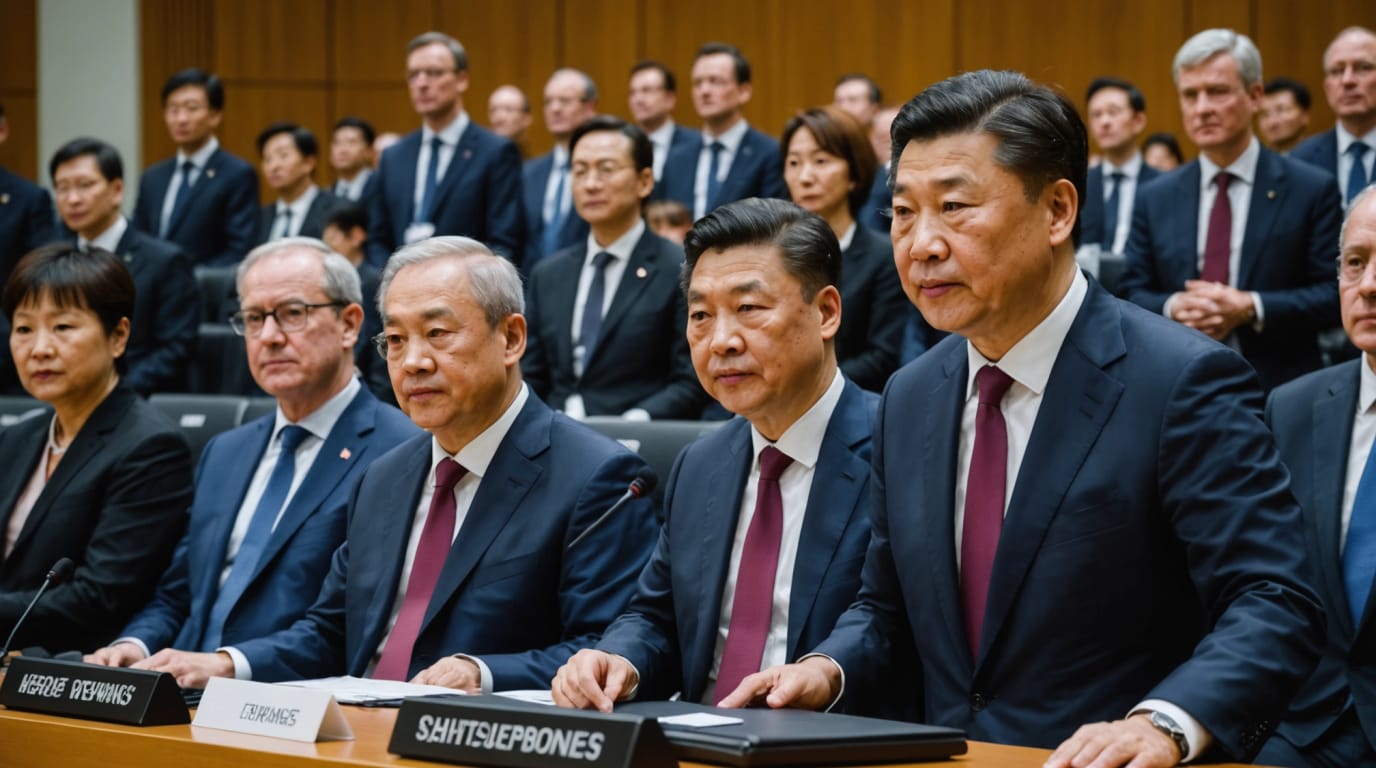
China is reportedly on the verge of lifting sanctions imposed on European lawmakers, a move signaling a potential thaw in relations between Beijing and the European Union. The decision comes after years of strained ties and could pave the way for renewed economic cooperation amid growing global trade tensions.
Origin of the Sanctions
The sanctions were initially imposed by China in 2021 after the EU sanctioned Chinese officials over alleged human rights abuses in the Xinjiang region. Beijing retaliated by sanctioning five Members of the European Parliament (MEPs), two EU committees, and several other entities, freezing their assets within China. The MEPs targeted were Reinhard Bütikofer, Michael Gahler, Raphaël Glucksmann, Ilhan Kyuchyuk and Miriam Lexmann. This tit-for-tat exchange led to the suspension of the EU-China Comprehensive Agreement on Investment (CAI), a landmark deal intended to improve market access for European firms in China.
The "Charm Offensive"
China's willingness to lift the sanctions is seen by some as a "charm offensive" aimed at strengthening ties with Europe. This initiative includes lobbying efforts targeting European nations, particularly those eager to attract Chinese investment. These efforts are viewed as a strategy to counterbalance trade pressures from the United States. China's Foreign Minister Wang Yi has also been in contact with European counterparts, advocating for a united front against what China perceives as protectionist measures by the U.S.
Impact on EU-China Relations
The removal of sanctions could have a significant impact on EU-China relations. The European Parliament has stated its intention to resume normal relations with China once the sanctions are lifted. Roberta Metsola, President of the European Parliament, is expected to inform group leaders as soon as official confirmation is received from Chinese authorities. The move could also lead to a revival of the CAI, sending a positive signal about EU-China cooperation at a time of global economic uncertainty.
Geopolitical Context
This potential reconciliation occurs against a backdrop of shifting geopolitical alliances. With the United States imposing tariffs on Chinese goods, China is seeking to strengthen its relationships with other major economies. The EU, facing potential economic fallout from these tariffs, may also see closer ties with China as a way to mitigate the impact. Some analysts suggest that the return of Donald Trump to the White House has accelerated China's efforts to improve relations with Europe, fearing increased pressure on transatlantic relations.
Remaining Uncertainties
Despite the positive momentum, uncertainties remain. It is unclear whether China will lift all sanctions or only a portion of them. The EU sanctions on Chinese entities are expected to remain in place. The EU will likely continue to consider China's human rights record when making decisions about trade and investment.
Conclusion
The potential lifting of sanctions on European lawmakers represents a significant step towards improving EU-China relations. While challenges remain, this development could lead to increased economic cooperation and a rebalancing of global trade dynamics. The coming weeks will be crucial in determining the extent and impact of this diplomatic thaw.


