China's Zero-Tariff Policy for Africa: A New Era of Trade or Entrenched Imbalance?
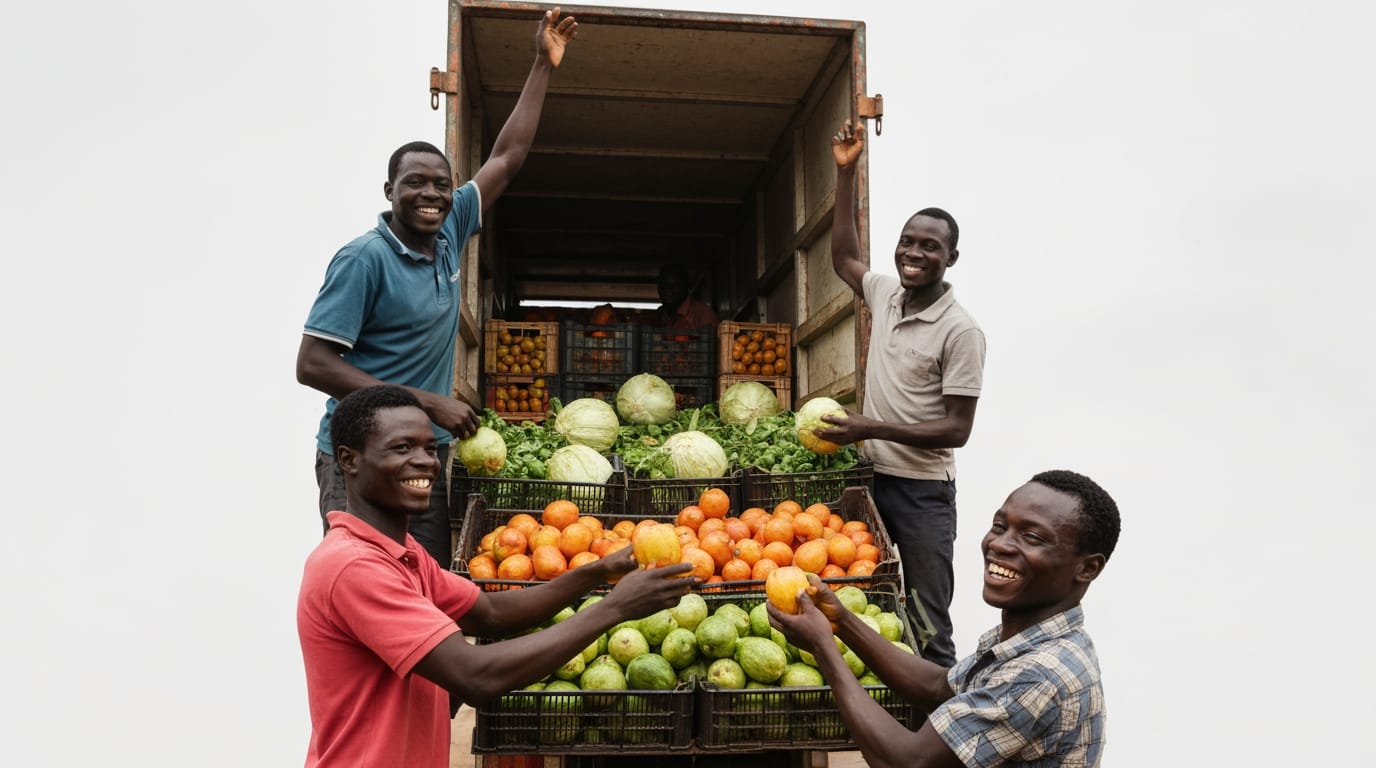
Beijing's recent full implementation of a zero-tariff policy for imports from 53 African nations has ignited a complex debate across the continent and among global trade analysts. Effective May 1, 2026, the sweeping measure, which eliminates tariffs on nearly all goods originating from African countries maintaining diplomatic ties with China, is heralded by proponents as a pivotal step towards fostering African economic growth and rebalancing trade relations. Yet, critics caution that without deeper structural reforms, the policy risks reinforcing existing economic disparities, raising the fundamental question: Is this a genuine "win-win" for both China and Africa, or does it ultimately favor the world's second-largest economy?
Unpacking Beijing's Bold Trade Move
The expanded zero-tariff policy represents a significant escalation of China's preferential trade treatment for Africa. It builds upon an earlier initiative launched on December 1, 2024, which granted zero-tariff access for 100% of tariff lines to 33 African Least Developed Countries (LDCs). The current phase extends this comprehensive tariff exemption to all 53 African nations that maintain diplomatic relations with Beijing, notably excluding Eswatini. The move, announced by Chinese President Xi Jinping in February 2026, requires no reciprocal tariff reductions from African partners, positioning it as a unilateral gesture of economic cooperation.
The policy encompasses a broad spectrum of products, from agricultural commodities such as coffee, tea, macadamia nuts, and avocados, to minerals, textiles, and various manufactured items. Chinese officials and state media emphasize that the policy aims to boost African exports, address the widening trade imbalance, promote industrialization, and reinforce South-South cooperation within an increasingly protectionist global trade environment. Agricultural products are slated to benefit from a substantial 14% tariff reduction, while non-agricultural goods will see an average reduction of approximately 6.5%. This initiative aligns with China's broader commitment to fostering an open world economy and advancing shared development, as highlighted by Ambassador Liu Yuxi for the Affairs of the Forum on China-Africa Cooperation (FOCAC).
Hopes for African Prosperity: The "Win-Win" Narrative
For many African stakeholders, the zero-tariff policy is a welcome development with tangible potential benefits. The removal of tariffs is expected to reduce the cost of African goods entering the massive Chinese market, thereby enhancing their competitiveness and potentially increasing export volumes. This access to a consumer base of 1.4 billion people could provide a significant boost to African economies, which have long struggled with limited market access and persistent trade deficits.
Early indicators and expert opinions suggest optimism. James Kandoya, a senior economic journalist in Tanzania, noted that "When China opens its market to African exports with zero tariffs, it immediately creates real opportunities." Such opportunities are expected to encourage investment in agriculture, processing, and logistics. For instance, Ethiopia's coffee exporters, like Awo Coffee, have already experienced increased demand from China, with the company expanding its roasting facilities to meet growing orders. Kenyan avocado exports to China have also seen a rise, demonstrating the potential for agricultural products to penetrate the Chinese market. Officials in Kenya believe the policy will significantly enhance the competitiveness of Kenyan products and provide crucial opportunities to expand exports and optimize their trade structure, especially given China's dynamic consumer market and growing demand for diversified products.
Beyond raw agricultural goods, the policy is also seen as an incentive for African nations to move up the value chain. Farmers and producers in countries like Cameroon and Ghana hope that the tariff-free access will encourage domestic processing and value addition, for example, by exporting chocolate products instead of raw cocoa beans. This aligns with the broader goal of industrialization and diversifying African economies away from their historical reliance on raw material exports. The policy could also attract new foreign direct investment (FDI) from companies seeking to leverage Africa as a production base to access the Chinese market without tariffs.
Beneath the Surface: The "Winner Takes All" Concerns
Despite the stated intentions and potential advantages, a closer examination reveals significant challenges that temper the "win-win" narrative, leading some analysts to question if the policy might inadvertently favor China more. A primary concern revolves around the existing structure of trade between China and Africa. Historically, African exports to China have been heavily concentrated in raw materials, particularly extractives like oil, copper, and cobalt, which accounted for 89% of exports in 2025. Conversely, 94% of China's exports to Africa consist of manufactured goods. Critics argue that simply removing tariffs on these primary products, many of which already entered China duty-free, might not fundamentally alter this imbalanced structure but instead entrench it by making the status quo more profitable for raw material suppliers.
Moreover, the benefits are likely to be unevenly distributed among African nations. A disproportionate share of China's imports from Africa—about three-quarters—comes from just six countries: South Africa, the Democratic Republic of Congo (DRC), Angola, Guinea, Zambia, and Congo Brazzaville. Many of these exports are minerals and crude oil already exempt from tariffs. Poorer, landlocked African countries may see little to no benefit due to significant transportation constraints and limited export capacity.
Non-tariff barriers (NTBs) present another substantial hurdle. African exporters frequently face challenges related to meeting China's product standards, sanitary requirements, quality control, and logistics. Even with zero tariffs, these non-tariff obstacles can prevent African goods from effectively competing in the Chinese market. As one Nigerian manufacturer highlighted, African businesses often contend with inadequate infrastructure, such as unreliable electricity, which makes it difficult to produce goods consistently and to international standards, leaving them at a disadvantage against Chinese manufacturers.
Some analysts also suggest that the policy could serve as an effective diplomatic tool for China, enhancing its influence in Africa at a relatively low economic cost. Thierry Pairault's analysis indicates that the zero-tariff policy may have less to do with rebalancing trade and more with diplomatic engagement, with limited overall economic impact. There are also questions regarding the WTO compatibility of extending zero tariffs to non-LDC African countries, particularly if it is perceived as discriminatory towards other developing nations.
The Path Forward: Navigating Opportunities and Challenges
For the zero-tariff policy to truly unlock Africa's economic potential, concerted efforts beyond tariff elimination are essential. African countries must leverage this window of opportunity to implement domestic reforms that enhance their productive capacity, improve infrastructure, and address non-tariff barriers. The African Continental Free Trade Area (AfCFTA) is crucial in this regard, as it can foster regional integration and create value chains within Africa, making external preferences like China's zero-tariff policy more developmentally useful. Processing raw materials along African value chains before export to China could lead to more transformative economic gains.
Chinese support for African industrialization, technology transfer, and capacity building will also be critical. Programs under the FOCAC framework aim to promote industrialization in African countries through investment and expanded trade opportunities. However, the responsibility ultimately falls on African nations to take advantage of these offerings by scaling up production, meeting international standards, and focusing on value-added products rather than solely raw exports.
Conclusion
China's expanded zero-tariff policy for African imports marks a significant moment in global trade, offering African nations unprecedented access to a vast consumer market. While the policy presents clear opportunities for increased exports, diversification, and potential industrial growth, its transformative power hinges on how effectively African countries can overcome inherent structural challenges and non-tariff barriers. The ultimate outcome – whether a genuine "win-win" partnership fostering shared prosperity or a continuation of a "winner takes all" dynamic – will depend on a complex interplay of Chinese commitment, African strategic action, and the evolving dynamics of global trade. The journey towards truly balanced and equitable trade relations is ongoing, and the zero-tariff policy is a critical, yet not singular, step on that path.


