Germany Embarks on Landmark €10 Billion Civil Defense Overhaul
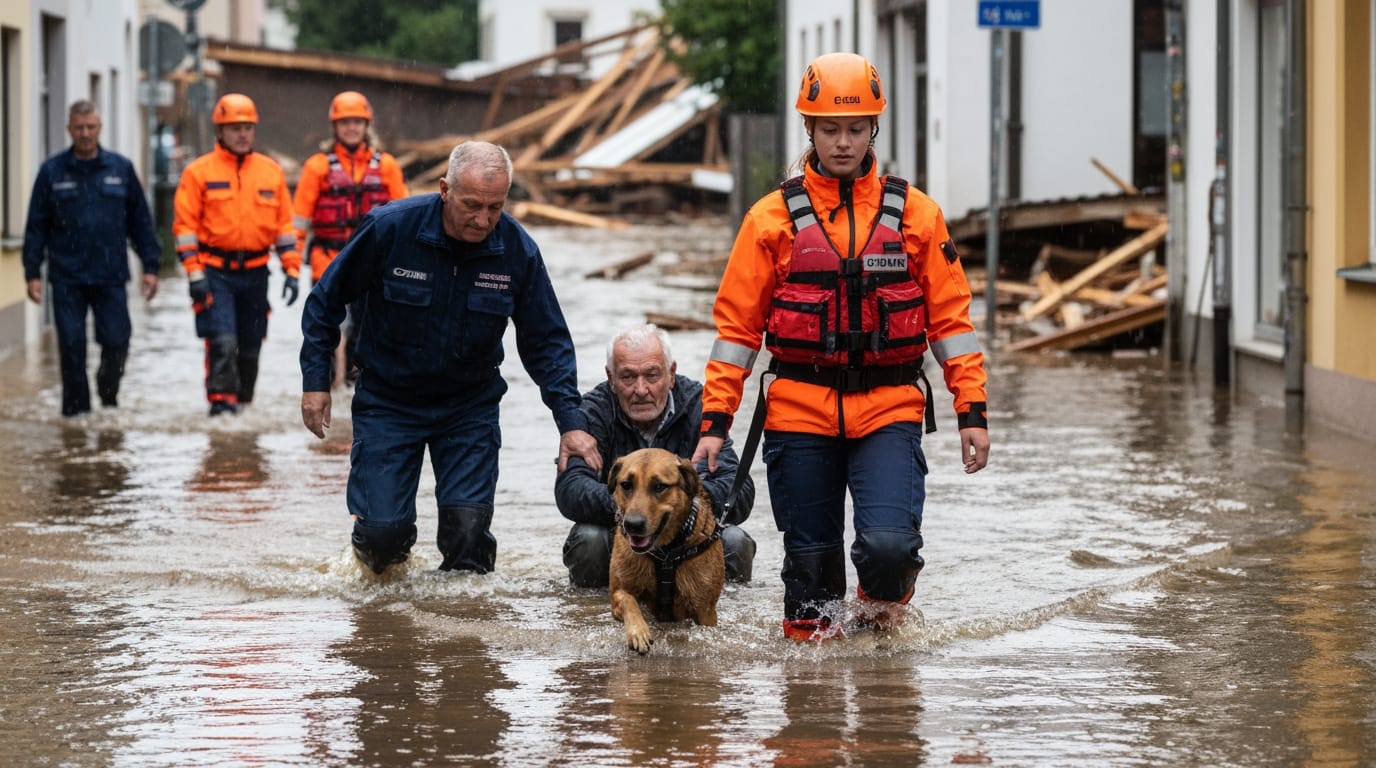
BERLIN, Germany – In a significant recalibration of its national security posture, Germany is poised to inject €10 billion into its civil protection and disaster management systems by 2029, marking the country's most ambitious upgrade to civilian defense in decades. This monumental investment signals a profound strategic shift, driven by escalating geopolitical tensions, the increasing threat of hybrid warfare, and a comprehensive reevaluation of national preparedness in the wake of recent global events.
The initiative, championed by Federal Interior Minister Alexander Dobrindt, aims to fortify Germany's resilience against a spectrum of modern challenges, ranging from large-scale natural disasters to potential attacks on critical infrastructure and disinformation campaigns. This pivot underscores a realization that national security extends beyond traditional military defense, encompassing the robustness of civilian infrastructure and the preparedness of its populace.
Responding to a New Era of Threats
The impetus for this substantial investment is rooted in a changing global landscape. Russia's full-scale invasion of Ukraine in 2022 served as a critical catalyst, prompting Berlin to confront vulnerabilities in its civil defense apparatus that had largely been dormant since the Cold War era. Federal Interior Minister Alexander Dobrindt highlighted the necessity of "taking a clear stance against hybrid threats," which include potential cyberattacks on vital services like the electricity grid and insidious disinformation operations. Defence Minister Boris Pistorius openly acknowledged that civil protection, much like military defense, had suffered from decades of underinvestment, making this overhaul a critical and overdue step.
The planned allocation, spanning until 2029, represents a fundamental rethinking of how Germany safeguards its citizens and maintains societal functions during crises. It moves beyond merely responding to natural disasters, embracing a more integrated and proactive approach to "total defense" that involves both military and civilian capabilities. The corresponding draft legislation for this comprehensive package was slated for cabinet approval on Wednesday, May 20, 2026.
A Blueprint for Enhanced Resilience
The €10 billion investment will fund a broad array of concrete measures designed to bolster Germany's protective capabilities. A key focus is the modernization and expansion of warning systems. This includes the reintroduction and installation of sirens for public alerts, alongside advanced digital warning systems for mobile phones. A significant upgrade will see the federal government's NINA warning app integrated with a national registry of public shelters, including bunkers, tunnels, and underground parking facilities, guiding citizens to the nearest safe havens in emergencies.
Currently, Germany possesses 579 public shelters capable of accommodating approximately 480,000 individuals, many of which have not been in active use since the Cold War, representing a capacity for only about 0.5% of the population. The new plan aims to increase this capacity significantly, with efforts underway to modernize existing facilities and establish new ones, striving to create shelter for up to a million people.
Beyond warning systems and shelters, the funding will be directed towards a substantial upgrade of equipment and infrastructure for emergency services. This encompasses the procurement of around 1,500 new vehicles, including those for fire protection, ambulance services, mobile command centers, and specialized heavy equipment. Specifically, plans include acquiring 1,000 specialized emergency vehicles and 110,000 field beds by 2029. The Federal Agency for Technical Relief (THW), a cornerstone of Germany's disaster response, will also see its buildings modernized and receive enhanced equipment and technology. Medical readiness is another critical component, with plans for upgraded infrastructure to manage mass casualties, including the deployment of federal rapid-response medical teams across 50 locations nationwide.
Forging a 'Whole-of-Society' Defense
A central tenet of Germany's revitalized civil defense strategy is the emphasis on a "whole-of-society" approach. This involves a closer integration of military and civilian structures, aiming for seamless cooperation during crisis scenarios. To facilitate this, a new "Civil Defense Command" staff unit will be established within the Federal Interior Ministry, tasked with coordinating efforts with the Bundeswehr. The strategy also mandates regular disaster preparedness drills involving military, rescue services, the THW, and various aid organizations. Furthermore, unified training standards for emergency service personnel are envisioned, particularly for responding to chemical, biological, radiological, and nuclear (CBRN) threats.
The success of this comprehensive defense hinges significantly on public involvement and the robust volunteer forces that underpin Germany's civil protection system. Approximately 1.7 million volunteers are currently active, performing crucial roles in emergency response. The government plans to strengthen support for these volunteer forces, recognizing their indispensable contribution to national resilience. This approach also seeks to foster a greater sense of preparedness among the general public, encouraging citizens to take individual precautions and understand their role in a broader security framework.
Navigating Complexities and Future Horizons
While the scale of this investment is unprecedented, its implementation presents inherent complexities. Germany's federal structure, with shared responsibilities between federal, state, and municipal levels, has historically led to blurred lines of accountability and funding in civil protection. Critics, such as Green Party leader Franziska Brantner, while supporting the overall direction, have stressed the need for significant structural reforms and improved coordination between federal and state authorities to ensure the effectiveness of the new measures. The Left Party has also voiced concerns, advocating that the primary goal should remain robust civilian protection rather than a military-focused agenda.
Despite these challenges, there is broad political consensus on the necessity of this shift. The funding package benefits from a recently passed rule that exempts military spending from Germany's strict limits on state borrowing, underscoring the urgency attributed to these defense and civil protection enhancements. This massive overhaul not only reflects Germany's commitment to protecting its own population but also aligns with broader European initiatives to strengthen civil preparedness across the continent.
This strategic reorientation marks a definitive moment for Germany, moving beyond a reactive stance to proactively build a resilient society capable of weathering future crises. The coming years will demonstrate how effectively these ambitious plans translate into tangible improvements for national security and the everyday safety of German citizens.