US-Cuba Tensions Soar Amid Drone Allegations and Escalating Rhetoric
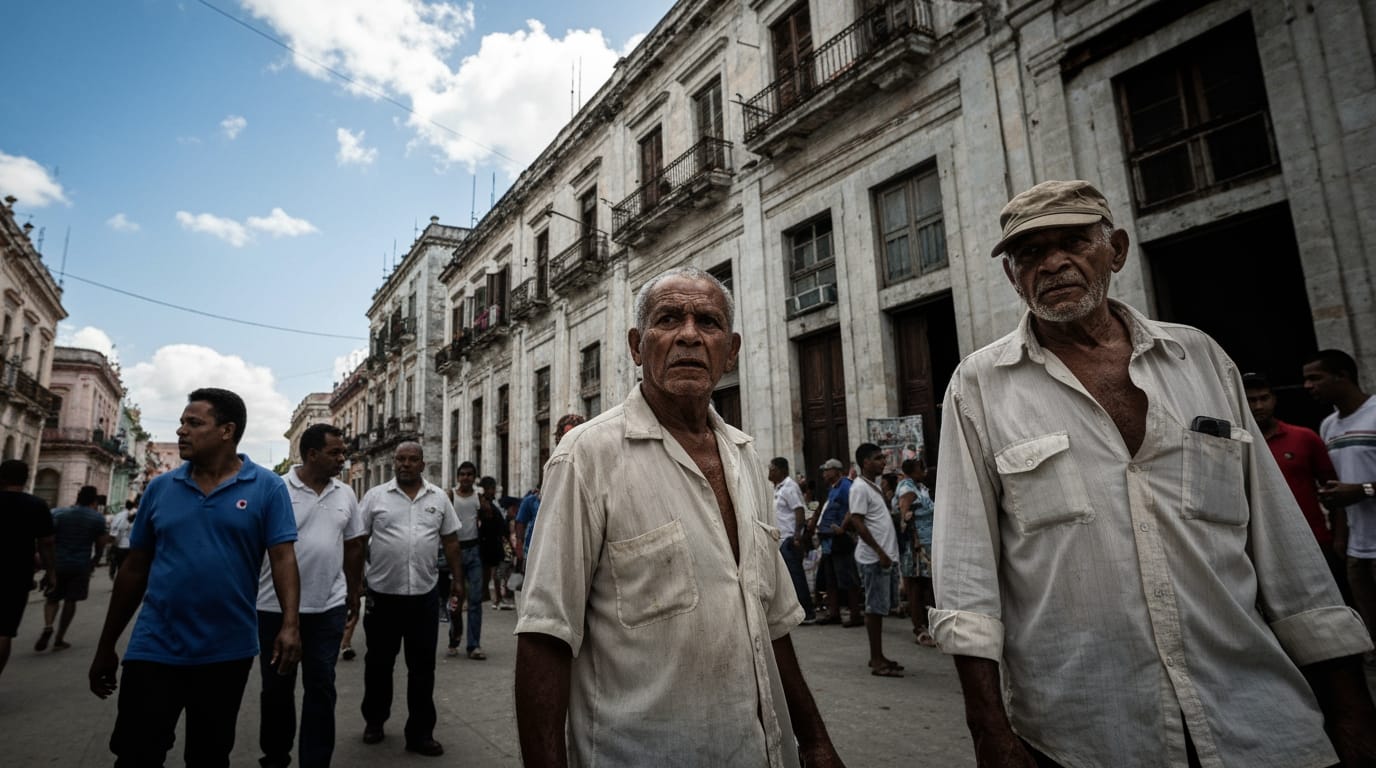
Washington and Havana find themselves locked in another dangerous standoff, as recent reports of Cuba acquiring military drones and alleged discussions of targeting U.S. interests have ignited a fresh wave of alarm in the United States and prompted fierce denials from the Cuban government. This latest escalation, set against a backdrop of tightening economic pressures and historical animosity, has raised fears of a deepening crisis in the Caribbean, with both sides trading accusations and warnings of dire consequences.
The Drone Alarm: A "Growing Threat" to US Interests
Tensions between the United States and Cuba have surged following classified intelligence reports, initially cited by Axios, alleging that Cuba has acquired more than 300 military drones from Russia and Iran since 2023, with intentions to procure more. These reports claim that Havana has engaged in discussions about utilizing these unmanned aerial vehicles (UAVs) to potentially target the U.S. naval base at Guantanamo Bay, American military vessels, and even Key West, Florida. U.S. officials have expressed significant concern, labeling the developments a "growing threat" due to the proximity of these advanced technologies to U.S. shores. The presence of Iranian military advisers in Havana has further compounded these fears, underscoring the Trump administration's heightened anxiety regarding Cuba's evolving military capabilities and its perceived role as a platform for adversaries in the Western Hemisphere. In a rare high-level visit to Havana, CIA Director John Ratcliffe reportedly conveyed a stark warning to Cuban officials, asserting that Cuba "can no longer serve as a platform for adversaries to advance hostile agendas in our hemisphere."
Havana's Vehement Denials and Warnings of "Bloodbath"
Cuba has vehemently rejected these allegations, dismissing them as a fabricated pretext orchestrated by the United States to justify aggressive actions. Cuban Foreign Minister Bruno Rodriguez accused Washington of "building a fraudulent case to justify a ruthless economic war against the Cuban people and an eventual military aggression." He, along with President Miguel Diaz-Canel, affirmed Cuba's inherent right to self-defense and categorically denied any intention to threaten or initiate war. President Diaz-Canel issued a chilling warning, stating that any U.S. military intervention against Cuba would result in a "bloodbath" with "incalculable consequences for regional peace and stability." These statements underscore a deepening resolve within Havana to resist what it perceives as unwarranted aggression and a deliberate campaign to destabilize the island nation.
A History of Hostilities: Economic Pressure and Legal Action
The current climate of mistrust is deeply rooted in a decades-long history of animosity between Washington and Havana, dating back to the 1960s. In recent months, the Trump administration has significantly tightened economic pressure on Cuba, exacerbating an already fragile situation. Measures, including a "fuel blockade," have severely disrupted oil supplies to the island, leading to widespread power outages lasting up to 20 hours a day across the country. This energy crisis has fueled public anger and sparked street protests in Cuba, highlighting the severe humanitarian impact of the ongoing economic sanctions. Adding another layer to the escalating tensions is the speculation surrounding a potential U.S. Department of Justice indictment of former Cuban President Raúl Castro. Reports suggest that American authorities are preparing to indict the 94-year-old over the 1996 downing of two planes operated by a humanitarian group, an action that Cuba views as another provocative move designed to escalate pressure. This potential legal action, combined with President Trump's earlier rhetoric about "taking over" the Caribbean island "almost immediately," has intensified fears in Havana of impending military action and regime change.
The Stakes and Preparedness in a Volatile Region
The escalating rhetoric and military posturing on both sides have profound implications for regional stability. For the United States, the alleged acquisition of advanced drone technology by a hostile neighbor just 90 miles off its coast represents a significant security concern, particularly given the historical context and the presence of adversarial foreign influence. For Cuba, the situation is framed as a struggle for national sovereignty against what it describes as an aggressive economic war and the constant threat of military intervention. Cuban officials emphasize their nation's preparedness to confront external aggression, invoking their right to legitimate self-defense under the UN Charter. The constant power outages and economic hardships faced by the Cuban populace serve as a stark reminder of the human cost of these geopolitical tensions. The island's ability to withstand sustained economic pressure while simultaneously preparing for potential external threats remains a critical factor in the unfolding drama.
Conclusion: A Dangerous Trajectory
The current trajectory of U.S.-Cuba relations marks another perilous chapter in their complex and often confrontational history. The allegations regarding Cuba's drone arsenal and alleged attack plans, coupled with Havana's unwavering denials and warnings, have created a highly volatile environment. As the United States continues to tighten economic sanctions and Cuba endeavors to bolster its defense capabilities with the support of allies like Russia and Iran, the cycle of accusation and counter-accusation only deepens the chasm between the two nations. The immediate future appears fraught with uncertainty, with the potential for miscalculation or escalating incidents posing a significant threat to peace and stability not only for the two countries involved but for the wider Caribbean region.


