Hungary's New Premier Magyar Embarks on Diplomatic Reset, Prioritizing Poland Ties
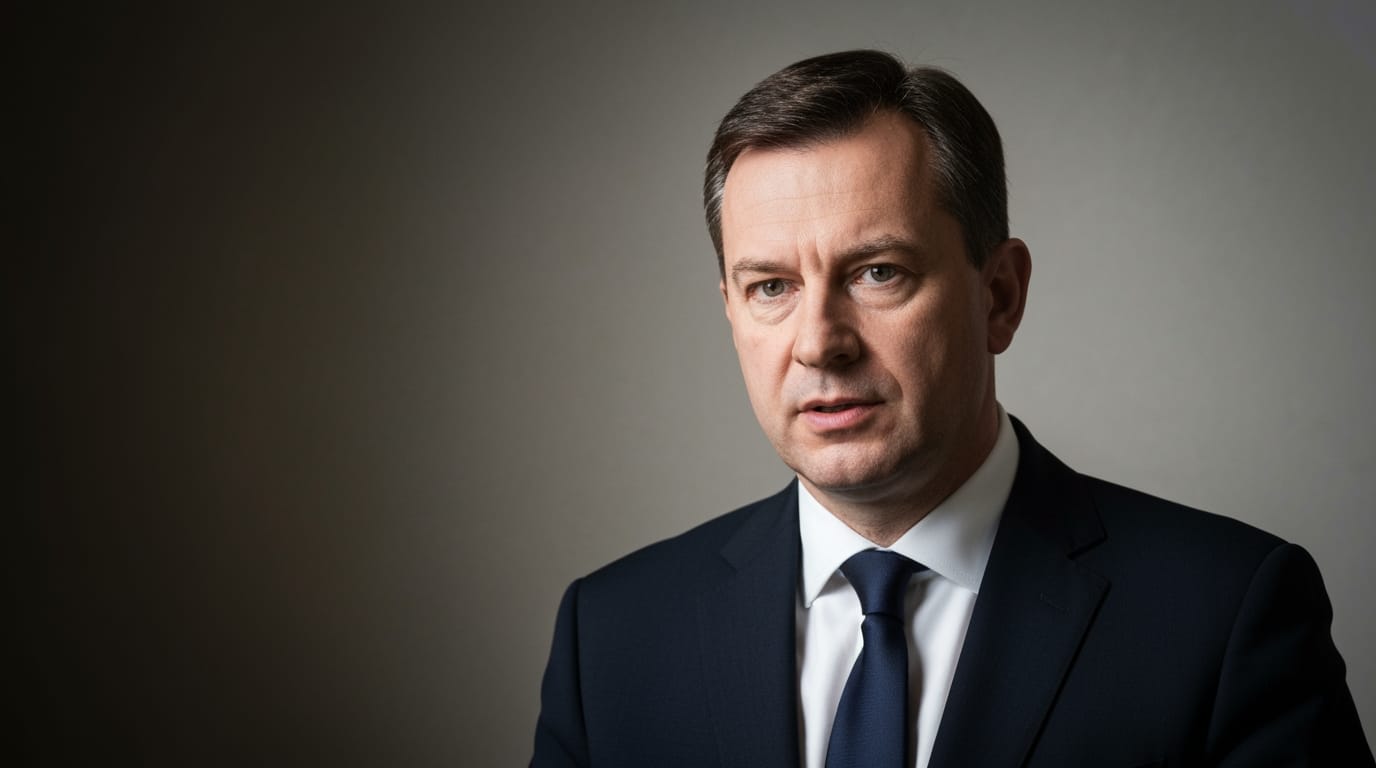
BUDAPEST/WARSAW – Hungary's newly elected Prime Minister, Péter Magyar, has swiftly signaled a profound shift in his nation's foreign policy, making Poland the destination of his inaugural international visit since taking office on May 9, 2026. This high-profile diplomatic outreach underscores a determined effort to mend relations strained under the previous administration and reposition Hungary firmly within the European mainstream. Magyar's arrival in Poland on Tuesday, May 19, 2026, marks the beginning of a two-day visit aimed at revitalizing a historical alliance and fostering a new era of Central European cooperation.
A New Dawn for Hungarian-Polish Relations
Prime Minister Magyar’s choice of Poland for his first foreign trip carries significant symbolic weight, signaling a clear departure from the foreign policy trajectory of his predecessor, Viktor Orbán. The visit is widely interpreted as a deliberate move to "turn the page on the Viktor Orbán era" and to project Hungary's commitment to closer European integration. During his trip, Magyar is scheduled to meet with Polish Prime Minister Donald Tusk and President Karol Nawrocki, with discussions expected to encompass regional security, energy cooperation, and the ongoing war in Ukraine.
Magyar's itinerary began in Krakow, where he paid tribute to Polish Pope John Paul II and the shared Polish-Hungarian history, before traveling by train to Warsaw for official meetings. This ceremonial approach, including a planned visit to Gdansk to honor Solidarity heroes, further emphasizes the deep cultural and historical ties both nations share. The Hungarian delegation accompanying Magyar includes key ministers responsible for foreign affairs, defense, economy, energy, transport, culture, and agriculture, highlighting the comprehensive nature of the intended collaboration. Deputy Foreign Minister Ignacy Niemczycki of Poland expressed hope for more "loyal" cooperation, reflecting a mutual desire for improved relations.
Repairing the Visegrád Fault Lines
The relationship between Hungary and Poland, historically robust within the Visegrád Four (V4) regional grouping, had significantly deteriorated in recent years. Under former Prime Minister Orbán, Hungary’s increasingly close ties with Russia and a confrontational stance toward the European Union, particularly concerning its policies on Ukraine, created a growing chasm with Warsaw. Poland, under Prime Minister Tusk, has adopted a strong pro-Ukraine and pro-European stance, directly contrasting with Orbán's approach. This divergence led to a fracturing of the V4, with the once influential bloc struggling to maintain a unified voice on critical European security issues, especially after Russia's full-scale invasion of Ukraine in 2022.
Péter Magyar's rise to power, culminating in a landslide victory that ended Orbán's 16-year tenure, has been described as a "watershed moment" for Hungary. His Tisza Party secured a constitutional supermajority, winning 141 seats in the National Assembly with 53.1% of the vote, marking the most significant political shift in the country since 2010. This decisive electoral outcome empowers Magyar to introduce deep changes and signals a readiness to pursue a more cooperative relationship with the European Commission and a less combative approach regarding the war in Ukraine. His administration is actively seeking to "de-Orbánize" Hungarian foreign policy, emphasizing national unity, political accountability, and a return to democratic checks and balances.
Strategic Alignment: Energy, EU Funds, and Regional Influence
A core objective of Prime Minister Magyar's visit to Poland is to secure Warsaw's support in unlocking billions in European Union funds that were frozen due to concerns over rule of law and corruption under the previous Hungarian government. Poland, having recently navigated its own process of restoring relations with the EU after years of similar disputes, offers valuable experience and political influence in this regard. Magyar explicitly stated his intention to draw inspiration from Tusk's success in "reconnecting with the European Union and securing the gradual unfreezing of funds."
Energy policy also features prominently on the agenda. Hungary has announced ambitious plans to reduce and ultimately eliminate its dependence on Russian energy supplies by 2035, a major strategic pivot given Budapest's historical energy reliance on Moscow. Poland is reportedly prepared to offer Hungary access to United States liquefied natural gas (LNG) through a new terminal in Gdansk, anticipated to be operational by 2028. This collaboration could provide a credible alternative to Russian gas and support broader European efforts to diversify energy sources. Beyond energy, discussions are expected to cover enhanced cooperation in infrastructure, defense, and democratic resilience. Magyar has also proposed expanding the Visegrád Group to include Austria and other countries, aiming to create a stronger Central European bloc with greater influence within the EU, particularly concerning cohesion fund distribution policies.
The Path Ahead: Challenges and Opportunities
While the enthusiasm for renewed cooperation is palpable, challenges remain. The legacy of strained relations, particularly the differing stances on the Ukraine conflict, requires careful diplomacy. The deep divisions within the V4, which saw military support to Kyiv provided by Poland, the Czech Republic, and Slovakia, while Hungary remained absent from the top donors list, underscored the previous friction. Magyar has indicated a more pragmatic and less confrontational approach to the EU, yet some of his positions, such as opposition to fast-tracking Ukraine's EU membership, still bear resemblance to the previous administration's views.
A tangible issue that emerged even before Magyar's visit concerned the fugitive former Polish justice minister, Zbigniew Ziobro, who had sought asylum in Budapest under Orbán's government. Magyar had pledged to facilitate Ziobro's extradition to Poland, where he is wanted on multiple abuse-of-office charges. However, just prior to the change of government, Ziobro reportedly left Hungary for the United States, raising questions about how a high-profile fugitive managed to evade scrutiny. This incident highlights the complexities of fully unraveling the past and establishing complete trust.
Despite these hurdles, Magyar's decisive electoral mandate, unlike some coalition governments, provides him with a strong position to implement reforms. His focus on restoring democratic institutions, strengthening the rule of law, and rooting out corruption aligns with Poland's own post-Orbán transition. The potential for a revitalized Polish-Hungarian axis could serve as a powerful engine for Central European cooperation, offering a united front on regional issues within the European Union and fostering stability in a geopolitically volatile region.
The diplomatic overture by Prime Minister Péter Magyar to Poland represents a pivotal moment for Hungary and the broader Central European region. His victory and subsequent actions signal a clear intent to steer Hungary away from its isolated, often confrontational, stance under the previous government and back towards a more collaborative European path. By prioritizing the repair of ties with Poland, a key regional partner, Magyar is laying the groundwork for a potential resurgence of the Visegrád Group and a stronger Central European voice within the EU. The success of this new direction hinges on consistent diplomatic engagement, concrete policy realignments, and the ability to build genuine trust, offering both nations and the European Union a significant opportunity for renewed cooperation and stability.