Chinese Journalists Detained After Exposing Allegations of Official Corruption
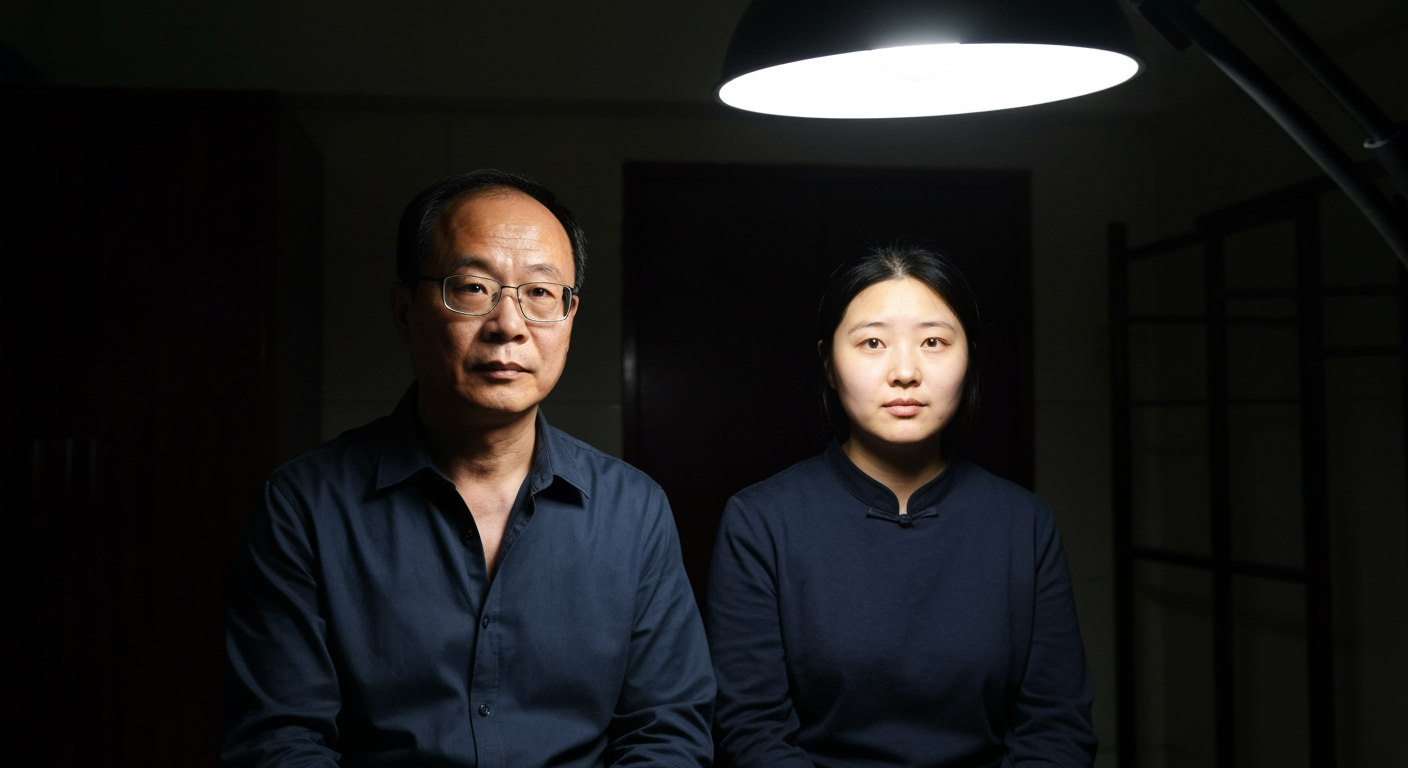
BEIJING, China – Two independent Chinese journalists, Liu Hu and Wu Yingjiao, have been detained by authorities following the publication of an investigative report alleging corruption by a high-ranking local official in Sichuan Province. The arrests, which occurred around February 1, 2026, have sparked immediate condemnation from international press freedom organizations, highlighting the precarious environment for independent reporting in China.
The detentions of Liu and Wu come amidst a sustained crackdown on independent media and a tightening grip on information within the People's Republic, raising concerns about the government's commitment to transparency even as it conducts its own anti-corruption campaigns. Rights groups view the incident as a stark reminder of the risks faced by those who dare to scrutinize official conduct in China.
The Unveiling of Allegations and Swift Reprisal
The catalyst for the journalists' detention was an article published on January 29, 2026, via the popular social media platform WeChat. The report, co-authored by Liu Hu and Wu Yingjiao, meticulously detailed alleged abuses of power by Pu Fayou, the Chinese Communist Party (CCP) secretary of Pujiang County, which falls under the jurisdiction of Chengdu, Sichuan Province. The investigative piece reportedly implicated Secretary Pu in misconduct that led to the bankruptcy of several businesses and, more gravely, was linked to the suicide of a university professor.
Both Liu Hu, a veteran investigative journalist with a long history of uncovering official wrongdoing, and Wu Yingjiao, described as a self-media writer and independent online commentator, targeted these serious allegations against a prominent local party official. The article, a testament to the journalists' tenacity in a heavily censored media landscape, was quickly scrubbed from the WeChat platform shortly after its publication, underscoring the authorities' swift response to content deemed sensitive or critical of the government. Prior to his arrest, Liu Hu reportedly received messages from disciplinary officials in Chengdu, urging him to contact authorities directly rather than publicly exposing corruption through the media, suggesting an attempt to preempt or control the narrative.
Coordinated Detentions and Familiar Charges
The detentions themselves appear to have been a coordinated operation. Liu Hu was reportedly intercepted while attempting to board a train from Chongqing to Beijing. On the same day, Wu Yingjiao was apprehended in Hebei province, indicating a cross-provincial effort by Sichuan police to neutralize their investigative network. Chengdu police subsequently issued a statement confirming the arrests, albeit only providing surnames, identifying the individuals as a 50-year-old surnamed Liu and a 34-year-old surnamed Wu.
The official charges leveled against them are "making false accusations," "fabricating false evidence to defame others," and "illegal business operations." These accusations are not new in China's legal framework for silencing critical voices; "false accusations" and "illegal business operations" are frequently applied criminal offenses used against journalists, writers, and activists who challenge officials or report on sensitive topics outside of state-sanctioned channels. Liu Hu himself has a history with such charges, having been arrested in 2013 for defamation after exposing allegations of graft against a high-ranking official. His previous incarcerations, however, did not deter his use of social media to publish reports that the state-controlled press typically avoids.
A Chilling Effect on Independent Journalism
The detention of Liu Hu and Wu Yingjiao serves as a stark illustration of the perilous environment for independent reporting in China. Reporters Without Borders (RSF), a Paris-based advocacy group, has strongly condemned the arrests, emphasizing the significant challenges faced by journalists in the country. RSF's advocacy manager for Asia-Pacific, Aleksandra Bielakowska, highlighted the "restrictive and hostile" nature of China towards independent reporting, stating that "Anyone who dares to investigate malpractice by the Chinese regime is swiftly persecuted by the authorities."
China's record on press freedom is consistently among the worst globally. In its 2025 annual report, RSF ranked China 178th out of 180 countries and territories on the World Press Freedom Index, placing it near the absolute bottom. Furthermore, as of December 1, 2025, China remained the world's largest incarcerator of journalists, with 121 behind bars in mainland China and an additional eight in Hong Kong, surpassing the combined figures for Russia and Myanmar. This systemic repression creates a profound chilling effect, forcing many journalists into self-censorship or to abandon the profession entirely. The incident underscores the paradox wherein, despite Xi Jinping's extensive anti-corruption campaign targeting millions of officials since 2012, independent investigations into such matters are met with severe punishment.
International Scrutiny and Calls for Pressure
The international community has taken note of China's deteriorating press freedom landscape. Human rights groups worldwide have issued warnings, describing the detentions as a dangerous signal for media freedom. This incident occurs as democratic leaders navigate complex trade and security relations with China, raising questions about whether sufficient international pressure is being applied to address Beijing's stringent press restrictions and its human rights record.
The use of vague, catch-all charges like "false accusations" and "illegal business operations" is seen by rights advocates as a deliberate tactic by Beijing to suppress dissent and stifle independent inquiry without directly implicating censorship. The consistent pattern of detaining journalists and activists under such pretexts illustrates a broader strategy to maintain strict control over information and prevent narratives that deviate from the official line. This systematic approach to curbing information has led to journalists changing careers, with many noting a lack of freedom of the press and the financial viability of independent reporting dwindling.
Conclusion
The detention of Liu Hu and Wu Yingjiao following their corruption exposé represents a critical juncture in China's ongoing struggle with press freedom. It highlights the immense personal and professional risks undertaken by journalists who strive to hold power accountable in a highly controlled environment. While China's government touts its commitment to fighting corruption, the arrests demonstrate a clear unwillingness to tolerate independent investigations into official misconduct. This incident not only silences two voices but also sends a chilling message across the country's journalistic community, further entrenching a culture of self-censorship and obscuring vital information from the public. The international community's response will be crucial in determining whether the pursuit of truth can find any protected space within China's tightly managed information landscape.
Related Articles

Ratko Mladić, "Butcher of Bosnia" and Convicted War Criminal, Dies at 84
THE HAGUE, Netherlands – Ratko Mladić, the former Bosnian Serb military commander known as the "Butcher of Bosnia" and convicted of genocide, war crimes, and crimes against humanity, has died at the age of 84. Serbian...

Long-Awaited 9/11 Mastermind Trial Set for 2028, Decades After Attacks
GUANTANAMO BAY, Cuba – Nearly a quarter-century after the devastating terror attacks of September 11, 2001, a military judge has finally set a trial date for Khalid Sheikh Mohammed, the alleged mastermind behind the...