Christchurch Mosque Shooter Challenges Landmark Sentence, Citing Prison Duress
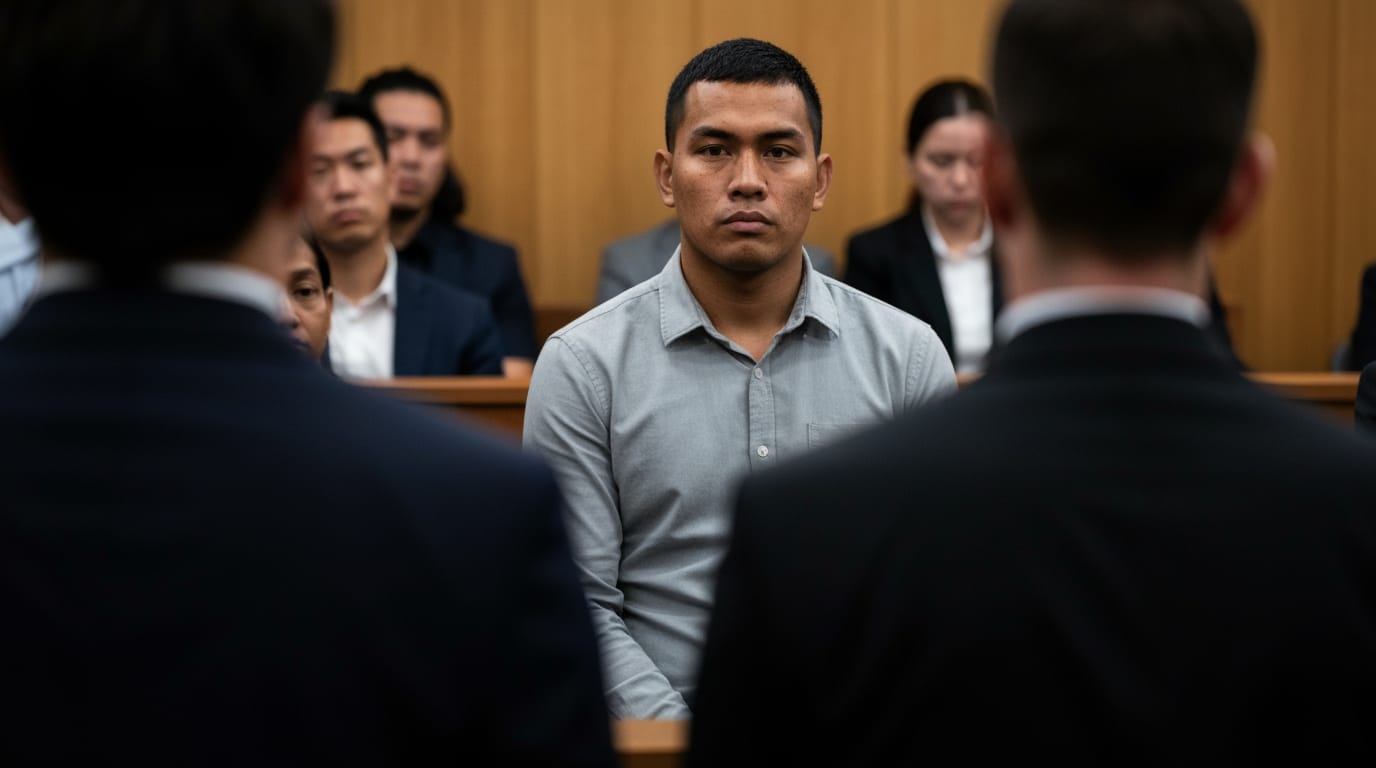
WELLINGTON, New Zealand – The perpetrator of the 2019 Christchurch mosque attacks, Brenton Tarrant, last year launched an appeal against his guilty plea and the unprecedented life without parole sentence, asserting that his confessions were made under duress and that his mental state was compromised by "torturous and inhumane" prison conditions. The legal challenge, which unfolded in the Court of Appeal in Wellington in February 2025, has reopened deep wounds for survivors and the families of the 51 victims, forcing New Zealand to confront once again the horrors of its deadliest terror attack.
The Genesis of a Controversial Challenge
The Australian white supremacist, who unleashed terror on the Muslim community during Friday prayers on March 15, 2019, pleaded guilty in March 2020 to 51 counts of murder, 40 counts of attempted murder, and one charge of engaging in a terrorist act. This plea notably circumvented a lengthy trial, which authorities feared he would exploit as a platform for his extremist ideology. However, in early November 2022, Tarrant filed an appeal with New Zealand's Court of Appeal, seeking to overturn both his convictions and his sentence. The appeal was submitted outside the standard 20-working-day timeframe, necessitating an application for leave to proceed.
At the core of Tarrant's appeal, articulated during proceedings in February 2025, is the assertion that his guilty plea was not a voluntary or rational decision. He contended that the harsh conditions of his imprisonment, including significant isolation, led to a deterioration of his mental health, rendering him incapable of making informed choices. He claimed that any remorse he had expressed prior to his sentencing was "induced by the prison conditions" and that he was "forced" into pleading guilty, fearing he would appear irrational or incoherent if he were to represent himself at a trial. Tarrant also cited withheld legal documents and a "fallout with previous lawyers" as contributing factors to his compromised decision-making. This challenge has stirred considerable unease, as it attempts to re-litigate a case that many believed had reached a definitive conclusion.
A Nation's Trauma Revisited
The memory of March 15, 2019, remains a profound scar on New Zealand. The meticulously planned attacks on the Al Noor Mosque and Linwood Islamic Centre in Christchurch resulted in the deaths of 51 worshippers and left dozens more injured, impacting individuals ranging in age from three to 77. The attacks, motivated by white nationalism and anti-immigrant sentiment, were live-streamed by the perpetrator, amplifying their shockwaves globally. The swift response from the New Zealand government included a ban on semi-automatic weapons and a commitment to combating hate speech.
The news of the appeal has reignited the collective trauma for many. Survivors and victims' families have voiced strong objections, describing the appeal as "re-traumatising," "insensitive," and an "attention-seeking" maneuver. Many view it as a cynical attempt by the terrorist to engage in "grandstanding" and to further inflict pain upon the Muslim community. During the original sentencing in August 2020, numerous victim impact statements conveyed the profound and lasting grief caused by the attacks, with many expressing anger at the shooter's apparent lack of remorse. The current legal challenge forces them to relive the harrowing events and the subsequent emotional toll. Over 60 survivors and family members were present in the courtroom in Christchurch in February 2025, observing the proceedings with an hour-long delay.
The Unprecedented Sentence
The August 2020 sentencing marked a historic moment in New Zealand's legal history. Tarrant received the country's first-ever sentence of life imprisonment without the possibility of parole. This severe penalty reflected the abhorrent nature of his crimes, which included 51 counts of murder, 40 counts of attempted murder, and one charge of terrorism. The court sought to impose a sentence that would ensure the perpetrator would never again pose a threat to society and would serve as a clear condemnation of his actions.
The decision to impose such a sentence was significant, as New Zealand abolished the death penalty for murder in 1961, and prior to this case, the longest sentence typically involved a life term with a minimum non-parole period of 30 years. The unprecedented nature of Tarrant's sentence was widely regarded as a just response to the scale and premeditation of the terror attack, as well as the profound and lasting impact on countless lives.
Legal Hurdles and Future Implications
Tarrant's appeal faces significant legal hurdles, primarily due to its late filing. New Zealand law typically mandates appeals to be lodged within 20 working days of a conviction or sentence. Tarrant's appeal, however, was filed approximately two years beyond this timeframe. The Court of Appeal must first grant leave for the appeal to proceed, a decision that hinges on whether valid reasons exist for the delay and whether there are arguable grounds for overturning the original decisions.
Should the Court of Appeal grant leave and subsequently find merit in Tarrant's claims regarding his guilty plea, the extraordinary outcome could be the vacating of his pleas and the ordering of a new trial. Such a development would not only be a logistical and emotional challenge for the nation but would also necessitate a complete re-examination of evidence and witness testimony in a public forum, a scenario explicitly avoided by the initial guilty plea. If the conviction appeal is unsuccessful, the court would then consider a separate hearing for the appeal against the sentence.
The legal proceedings of February 2025 highlighted the complexities of balancing legal rights with the deep societal impact of such heinous crimes. The Court of Appeal also granted permanent name suppression to two lawyers representing Tarrant, citing safety concerns for them and their families given the high-profile nature of the case. As New Zealand moves forward, the appeal serves as a stark reminder of the long shadow cast by the Christchurch attacks and the ongoing commitment required to uphold justice and support the affected communities.


