Cities Mobilize to Combat Rising Temperatures, Creating Cooler Urban Futures
As global temperatures continue their relentless ascent, cities worldwide are grappling with an escalating challenge: extreme urban heat. This phenomenon, often termed the "urban heat island" (UHI) effect, transforms metropolitan areas into thermal traps, making them significantly hotter than surrounding rural regions, particularly after sunset. The intensifying heat, exacerbated by climate change and rapid urbanization, poses grave risks to public health, strains economies, and underscores an urgent need for innovative and comprehensive solutions to create more livable and resilient urban environments.
The Invisible Inferno: Understanding the Urban Heat Island Effect
The urban heat island effect is a stark reality where cities experience elevated temperatures compared to their less developed peripheries. This thermal disparity can be attributed to a confluence of factors intrinsic to urban development. A primary cause is the pervasive lack of natural vegetation. Trees and green spaces, which naturally cool the air through shade and evapotranspiration (the process of plants releasing water vapor), are often replaced by impervious surfaces in cities.
Moreover, the materials predominantly used in urban construction, such as concrete, asphalt, and dark-colored roofing, are highly effective at absorbing and retaining solar radiation. These surfaces store immense amounts of heat during the day and slowly release it throughout the night, preventing urban areas from cooling down effectively. Dense building layouts and narrow streets further compound the problem by trapping warm air and impeding natural airflow, while anthropogenic activities like vehicle emissions and air conditioning units also contribute to the overall heat load. This intrinsic urban warming is significantly intensified by the broader effects of climate change, leading to more frequent, prolonged, and severe heatwaves that push city temperatures to dangerous new extremes.
A Growing Crisis: Health and Economic Tolls of Urban Heat
The implications of the urban heat island effect extend far beyond discomfort, manifesting as severe health crises and substantial economic burdens. Elevated urban temperatures dramatically increase the risk of heat-related illnesses, including heat exhaustion and life-threatening heatstroke. They also exacerbate cardiovascular stress and contribute to premature deaths. Furthermore, higher temperatures can degrade air quality, intensifying chronic respiratory conditions such as asthma.
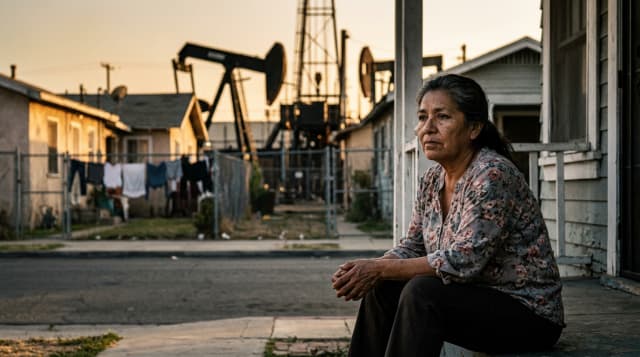
Vulnerable populations bear a disproportionate share of these health impacts. Older adults, young children, outdoor workers, individuals with chronic illnesses, and residents of low-income communities often face heightened risks. These groups frequently lack access to crucial cooling resources like air conditioning and sufficient green spaces, amplifying their exposure and vulnerability. Historical events underscore the gravity of this threat; the 2003 European heatwave was linked to approximately 70,000 deaths, and heatwaves in Japan in 2018 resulted in over 20,000 hospital admissions due to heatstroke.
Economically, urban heat islands impose considerable costs. Cities experience increased energy consumption as residents and businesses rely more heavily on air conditioning for cooling, which can further intensify the UHI effect. Worker productivity declines under extreme heat, and urban infrastructure, such as roads and buildings, can deteriorate faster, leading to higher maintenance and repair costs. Public health systems also face significant strain due to increased heat-related hospitalizations. Studies suggest that the economic losses attributable to UHI effects could be 2.6 times higher than those from global warming alone, potentially reaching 10.9% of a city's gross domestic product by 2100 in the hardest-hit areas. In some European cities, the average health-related cost associated with urban heat is estimated at €192 per adult resident per year.
Innovative Solutions: Greening and Reflecting Our Way to Cooler Cities
Faced with this mounting crisis, cities worldwide are proactively implementing a diverse array of cooling strategies. These efforts span from integrating natural elements to adopting advanced material technologies.
Green Infrastructure and Nature-Based Solutions are at the forefront of urban cooling initiatives. Planting trees is a highly effective strategy, as they provide essential shade and cool the air through evapotranspiration. Trees can reduce surface temperatures by as much as 25°C. Cities like Medellin, Colombia, have created extensive "green corridors" with thousands of trees and plants, offering shaded routes for residents. Freetown, Sierra Leone, has planted over one million trees to combat rising temperatures. Green roofs and walls, covered with vegetation, absorb less heat and insulate buildings, significantly reducing indoor temperatures and cutting air conditioning demand. In New York City, rooftop gardens have been shown to cut cooling demand by up to 84%. Rotterdam, for example, is actively pursuing green rooftop initiatives. Urban parks and dedicated green spaces function as "urban cool islands," capable of lowering local temperatures by 2 to 3°C, enhancing overall urban livability. Singapore, with its "City in a Garden" initiative, serves as a leading example of how widespread urban greening can effectively moderate city temperatures.
Cool Surfaces represent another critical component of heat mitigation. Reflective or "cool" roofs utilize light-colored materials to reflect sunlight rather than absorb it, thereby reducing heat buildup and lowering indoor temperatures, which can lead to a 10-30% reduction in air conditioning costs. Cities like Phoenix and New York have successfully implemented cool roof programs. Similarly, "cool pavements" are engineered to reflect more solar energy and enhance water evaporation, remaining significantly cooler than conventional asphalt. A pilot project in Phoenix demonstrated that cool pavements were, on average, 10.5 to 12°F cooler than traditional asphalt at midday. San Antonio has also embarked on ambitious cool pavement initiatives, with the goal of reducing temperatures in its hottest areas. Furthermore, depaving efforts, involving the removal of heat-retaining hard surfaces, aim to restore natural ground cover and promote cooling.
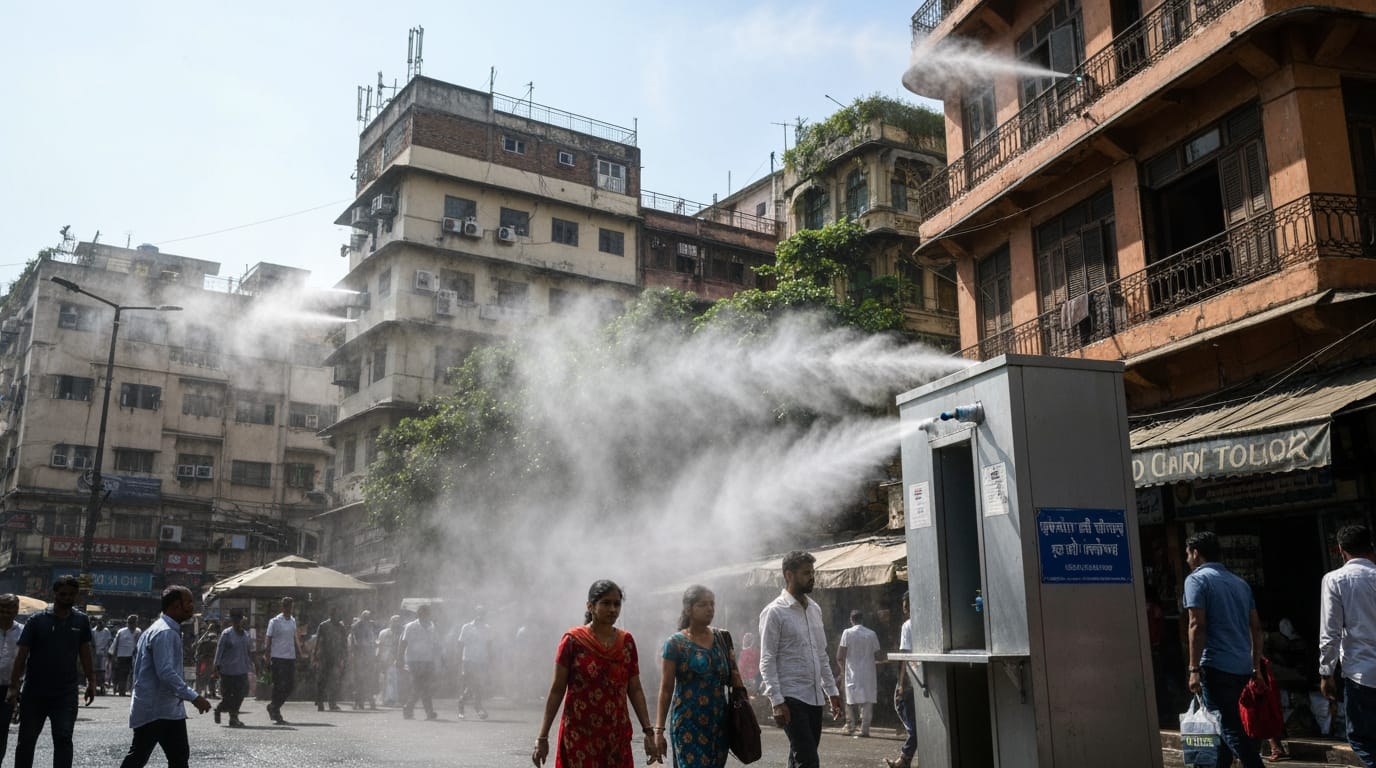
Water Features offer additional localized cooling benefits. Fountains, misting systems, and strategically placed ponds utilize evaporative cooling, absorbing and dissipating heat from the surrounding air. These "blue solutions" can lower ambient air temperatures by 1 to 3°C, providing much-needed relief in public spaces. Paris has been creating "oasis urbaines," public spaces equipped with tree planting, permeable surfaces, and fountains to combat heatwaves.
Strategic Planning and Collaborative Action for Resilient Cities
Effective urban cooling demands more than isolated projects; it necessitates integrated urban planning and collaborative action. Cities are rethinking their entire urban systems, from building design and orientation to maximizing natural airflow and developing green building codes and energy performance standards.
Crucially, meaningful community engagement is recognized as vital for the long-term success and equitable distribution of cooling initiatives. This ensures that solutions are adapted to local contexts and address the needs of vulnerable populations who are often most affected by heat. To support these efforts, funding and collaboration are expanding. Federal grants, such as those within the U.S. Inflation Reduction Act, are allocated for urban heat mitigation, including tree planting. International bodies like the World Bank are launching initiatives to help cities combat urban heat, and networks like the C40 Cities Cool Cities Accelerator, comprising 33 founding cities, are fostering shared best practices and collective action to transform urban spaces for a hotter future.
The global challenge of urban heat is a complex, multifaceted issue demanding sustained attention and innovative solutions. While the urban heat island effect presents significant health and economic risks, cities worldwide are demonstrating a growing commitment to mitigation. Through strategic investments in green infrastructure, reflective materials, water features, and comprehensive urban planning, cities are actively working to lower temperatures, protect vulnerable communities, and build more resilient, equitable, and habitable environments for future generations. The ongoing efforts underscore a critical paradigm shift: from merely enduring the heat to actively designing cooler, more sustainable urban futures.