Clintons Defy Congressional Subpoena in Epstein Probe, Facing Contempt Threat
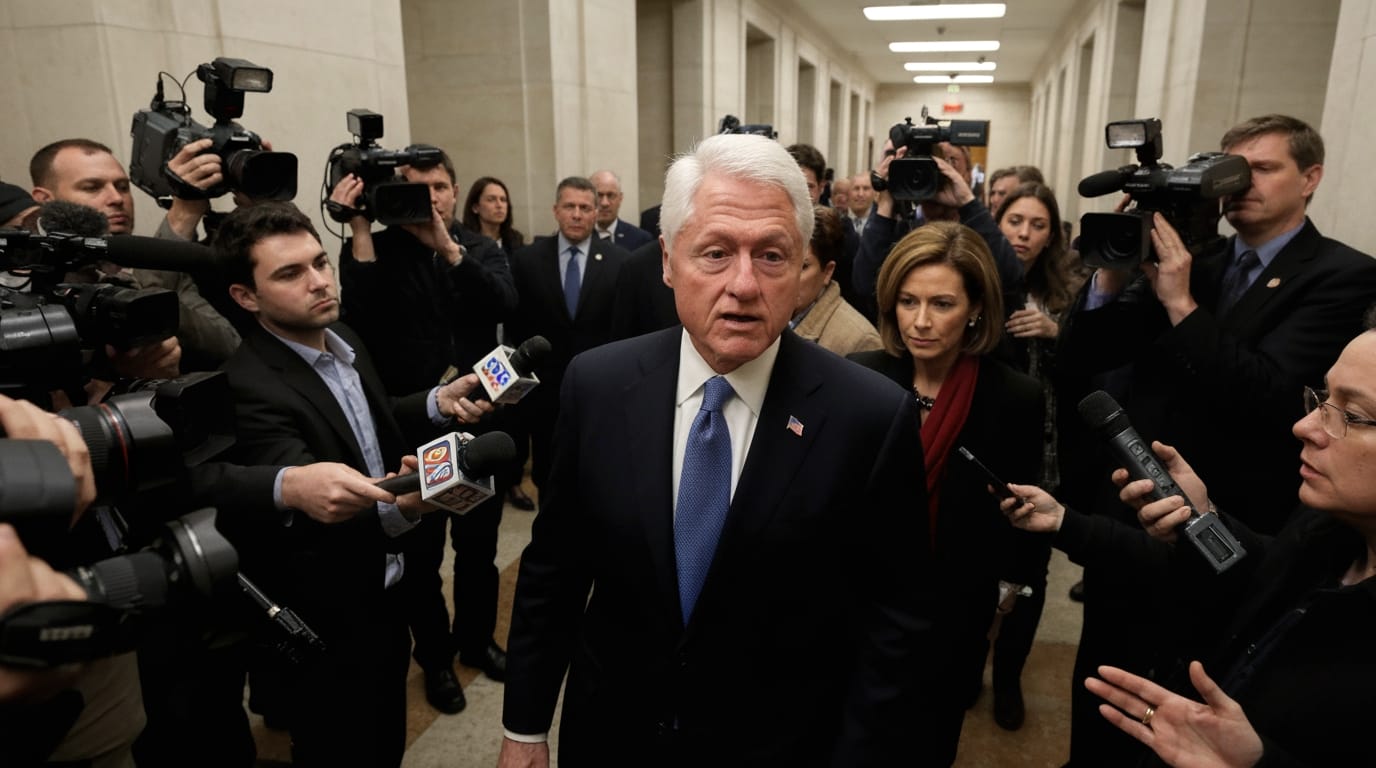
WASHINGTON D.C. — Former President Bill Clinton and former Secretary of State Hillary Clinton are facing the possibility of contempt of Congress proceedings after refusing to comply with subpoenas from the House Oversight Committee seeking their testimony in its ongoing investigation into deceased financier and convicted sex offender Jeffrey Epstein. The Clintons, who had been issued subpoenas in August 2025 for depositions, missed their respective deadlines this week, escalating a high-stakes legal and political standoff on Capitol Hill.
Escalation on Capitol Hill as Clintons Refuse to Testify
The defiance by the former first couple marks a significant escalation in the House Oversight Committee's efforts to compel their testimony. Committee Chairman James Comer, a Kentucky Republican, had set a final deadline for their appearances, with former President Bill Clinton expected on Tuesday and Hillary Clinton on Wednesday, January 13, 2026. Following their refusal, Chairman Comer announced that the committee would convene next week to advance contempt proceedings against Bill Clinton, though he left open the possibility of Hillary Clinton still appearing.
In a letter challenging the subpoenas, the Clintons asserted that the demands were "invalid and legally unenforceable," characterizing the inquiry as a "partisan exercise." They maintained that they possessed "little information" relevant to the investigation and had previously offered to provide written statements, an offer rejected by Chairman Comer, who insisted on in-person depositions. The Clintons further accused the Republican-controlled committee of prioritizing a politically motivated process over a thorough investigation into potential government failures related to Epstein's crimes.
The Enduring Shadow of Jeffrey Epstein and High-Profile Connections
The House Oversight Committee's investigation seeks to understand the full scope of Jeffrey Epstein's network and his connections to prominent individuals. Jeffrey Epstein, who was arrested in 2019 on sex trafficking charges and died by suicide in prison, cultivated relationships with numerous high-profile figures across politics, business, and entertainment.
Bill Clinton's association with Epstein has been a subject of public scrutiny for years. Records show that the former president traveled on Epstein's private jet, often referred to as the "Lolita Express," multiple times between 2001 and 2003, after leaving office. These trips were reportedly for charitable endeavors. Additionally, Epstein visited the White House on several occasions during Bill Clinton's presidency. Recently released Justice Department documents related to Epstein's case have included photographs of Bill Clinton with Epstein and Ghislaine Maxwell, Epstein's convicted accomplice.
Despite these documented connections, no credible accusations have ever linked Bill Clinton to Epstein's sex-trafficking activities, and he has consistently denied any knowledge of Epstein's criminal conduct, stating that he cut ties with the financier well before his 2019 arrest. Ghislaine Maxwell herself, in separate testimony, claimed Bill Clinton was a friend of hers, not primarily Epstein's, and denied any wrongdoing on his part, even suggesting she was responsible for arranging Clinton's use of Epstein's plane. Furthermore, while Virginia Giuffre, one of Epstein's victims, sought Bill Clinton's testimony in a civil lawsuit against Maxwell, describing him as a "key witness," she never accused him of sexual misconduct. That request for testimony was ultimately denied by a federal judge.
Hillary Clinton's direct connections to Epstein are less clear, though she attended a Clinton Global Initiative event in 2013 where Ghislaine Maxwell was honored for her work in ocean conservation, years after initial allegations against Maxwell had emerged. Clinton Foundation representatives stated that Maxwell's attendance was one of hundreds of complimentary tickets approved at the staff level for the event. The committee has stated it seeks to understand the nature and extent of both Clintons' relationships with Epstein and Maxwell as private citizens.
Legal Battle Lines Drawn: The Stakes of Contempt
The Clintons' refusal to appear sets the stage for a potential legal battle over congressional authority. Should the House Oversight Committee vote to hold them in contempt, the matter would then be referred to the Department of Justice (DOJ), which would decide whether to pursue prosecution. Contempt of Congress is a misdemeanor offense. While a referral from Congress is significant, the DOJ is not obligated to prosecute.
Recent precedents illustrate the varying outcomes of such referrals. For instance, former Trump advisor Steve Bannon served a four-month prison sentence in 2022 after being held in contempt for refusing to testify in the January 6th investigation. Conversely, former Attorney General Eric Holder was held in contempt in 2012 for withholding documents, but the DOJ under President Obama ultimately did not prosecute him.
The Clintons' legal counsel has argued that the subpoenas lack a "valid legislative purpose" and are designed primarily to "harass and embarrass," potentially infringing upon the separation of powers doctrine. They also noted that several other individuals initially subpoenaed by the committee for in-person testimony had their requirements waived, suggesting the Clintons were being unfairly targeted. Chairman Comer, however, has emphasized that the subpoenas for the Clintons were issued following a unanimous, bipartisan vote by the committee, underscoring the seriousness of the demand.
Broader Implications and Public Scrutiny
This standoff carries significant political and public interest implications. The ongoing pursuit of justice for Jeffrey Epstein's victims has maintained a spotlight on his powerful connections, and the public remains keen for transparency regarding anyone who may have enabled or been aware of his horrific crimes. The committee's efforts, regardless of the outcome of the contempt threat, serve to keep the issue in the public discourse.
The Clintons' decision to defy the subpoenas, rather than providing testimony, even if limited, is likely to fuel further speculation and debate about the extent of their knowledge and associations. While they maintain their innocence and have not been accused of criminal wrongdoing in relation to Epstein's sex trafficking, the refusal to cooperate with a congressional subpoena in such a high-profile case brings renewed scrutiny to their past dealings. The legislative push for the release of all Epstein-related documents by the Justice Department further underscores the persistent public demand for accountability and full disclosure surrounding Epstein's dark network.
As the House Oversight Committee prepares to move forward with contempt proceedings, the coming weeks will likely determine whether this battle becomes a protracted legal confrontation or if a resolution, in the form of testimony or a different agreement, can still be reached. The political and legal ramifications for all parties involved remain substantial.


