Cologne Cathedral to Introduce Admission Fee for General Access, Citing Soaring Maintenance Costs
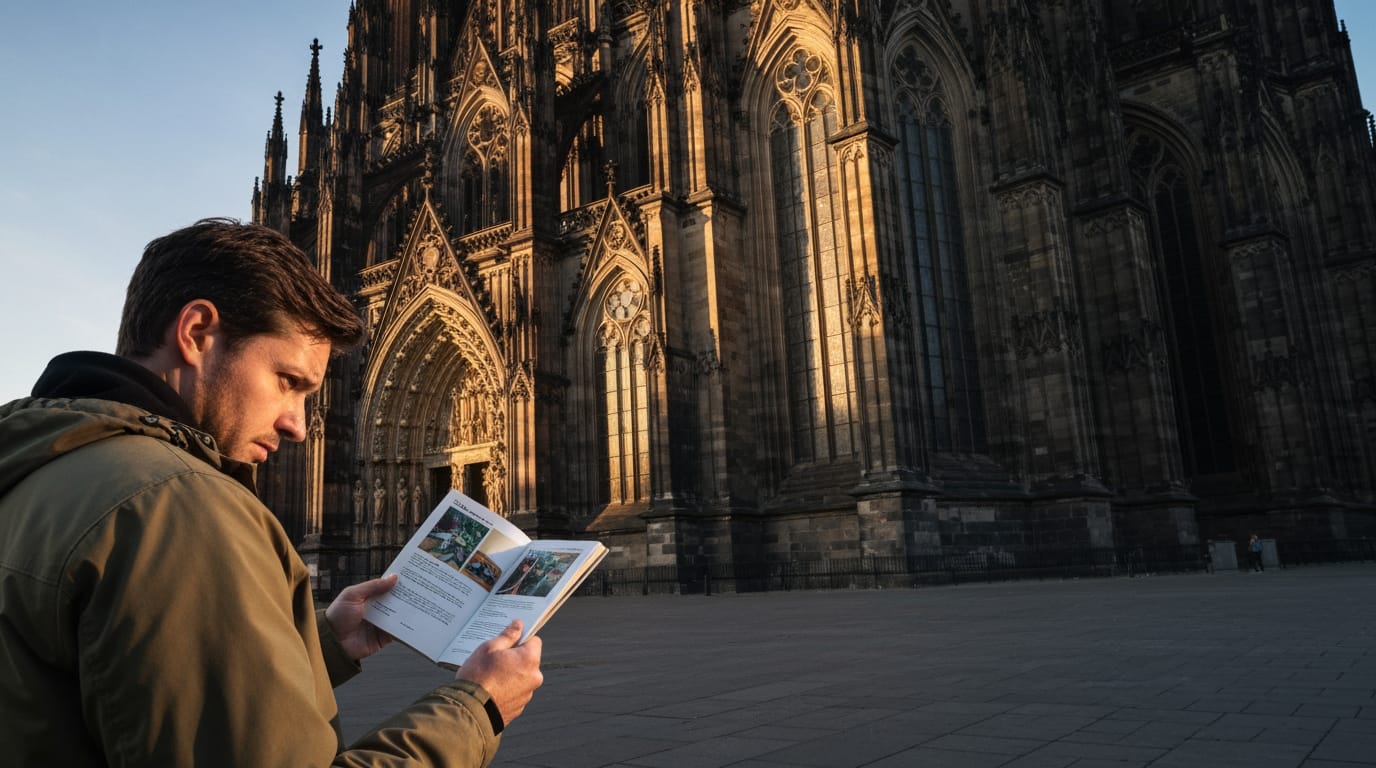
Cologne, Germany – The historic Cologne Cathedral, a UNESCO World Heritage site and one of Germany's most iconic landmarks, is set to introduce an admission fee for visitors entering its main interior. The move, announced by the cathedral authorities on Thursday, March 5, 2026, marks a significant shift from its longstanding policy of free general access and is attributed to the escalating costs of maintaining the immense Gothic structure. The new charges are expected to be implemented in the second half of the current year.
The Weight of Preservation: A Financial Imperative
For centuries, the Cologne Cathedral has stood as a testament to human ingenuity and enduring faith, attracting millions of visitors annually. However, the sheer scale and age of the edifice demand continuous and costly upkeep. The cathedral chapter has indicated that inflation, rising personnel expenses, and other operational costs have led to a constant increase in the financial burden of preservation. Daily maintenance alone for the building is estimated at approximately €30,000.
In recent years, financial reserves that typically helped bridge funding gaps have largely dwindled. This depletion was exacerbated by periods when revenue-generating activities, such as visits to the cathedral's towers and treasury, were severely restricted, notably during the COVID-19 pandemic. While cost-saving measures, including not replacing departing staff within the cathedral architect's office, have been implemented, these are no longer sufficient to address the long-term financial challenges. The cathedral plans to spend around 16 million euros this year on its upkeep.
A Monument of Millennia: History and Architectural Grandeur
Construction of the Cologne Cathedral, officially known as the Hohe Domkirche St. Petrus, began in 1248. It was envisioned as a grand sanctuary to house the relics of the Three Kings, which Archbishop Rainald von Dassel brought to Cologne in 1164. The design, inspired by Northern French Gothic cathedrals, aimed to assert Cologne's importance as a major ecclesiastical center. After periods of construction, halts due to lack of funds and waning interest, and subsequent resumptions, the cathedral was finally completed in 1880, taking over 632 years.
At 157 meters (515 feet), it is the tallest twin-spired church in the world and, for a brief period after its completion, was the world's tallest building. The cathedral's intricate details, soaring verticality, and expansive stained-glass windows, including the ancient Bible Window and the more contemporary Richter window, showcase the zenith of Gothic architecture. It boasts the largest window area of any church globally, covering more than 10,000 square meters. Designated a UNESCO World Heritage Site in 1996, the cathedral attracts an average of 6 million visitors annually, making it Germany's most visited landmark. The Dombauhütte, the cathedral workshop, employs approximately 100 skilled stonemasons and craftspeople dedicated to its continuous preservation.
The cathedral famously withstood 14 aerial bomb hits during World War II, remaining a recognizable landmark in an otherwise devastated city. Its resilience and eventual restoration post-war solidified its status as a symbol of both faith and German heritage.
Balancing Access and Preservation: Implications for Visitors
The decision to introduce an admission fee for the main interior marks a departure from a long-held tradition of open access for all. Previously, entry to the main body of the cathedral was free, with charges only applying to specific attractions like the tower climb and the treasury, which houses an impressive collection of religious artifacts, including the revered Shrine of the Three Kings.
Crucially, the cathedral chapter has affirmed that access for those attending services and for prayer will remain free of charge. This distinction highlights the cathedral's dual role as both a sacred place of worship and a globally renowned cultural monument. While the exact pricing for general admission to the main interior has not yet been announced, existing fees for the tower climb and treasury offer some indication, with adult tickets for each currently around €8, and combined tickets available.
This change will undoubtedly impact the experience for many of the millions of tourists who flock to Cologne each year. For international visitors, the fee will become another consideration in their travel plans, while local residents will also see a change in their access to the landmark. The move is aimed at ensuring the cathedral's future, allowing the ongoing, vital conservation work to continue uninterrupted.
A New Era for an Ancient Edifice
The implementation of an admission fee for general access to the Cologne Cathedral represents a pivotal moment in the institution's long history. It underscores the financial realities faced by custodians of monumental heritage sites worldwide, who must continuously seek sustainable models for preservation. While some may lament the end of free entry, the cathedral authorities contend that this measure is essential to safeguard the architectural and spiritual integrity of this irreplaceable Gothic masterpiece for future generations. The balance between maintaining open access for worship and generating necessary revenue for extensive upkeep will be a key aspect of this new chapter for Germany's most visited landmark.