EU Unveils Sweeping Energy Strategy Amid Middle East Conflict
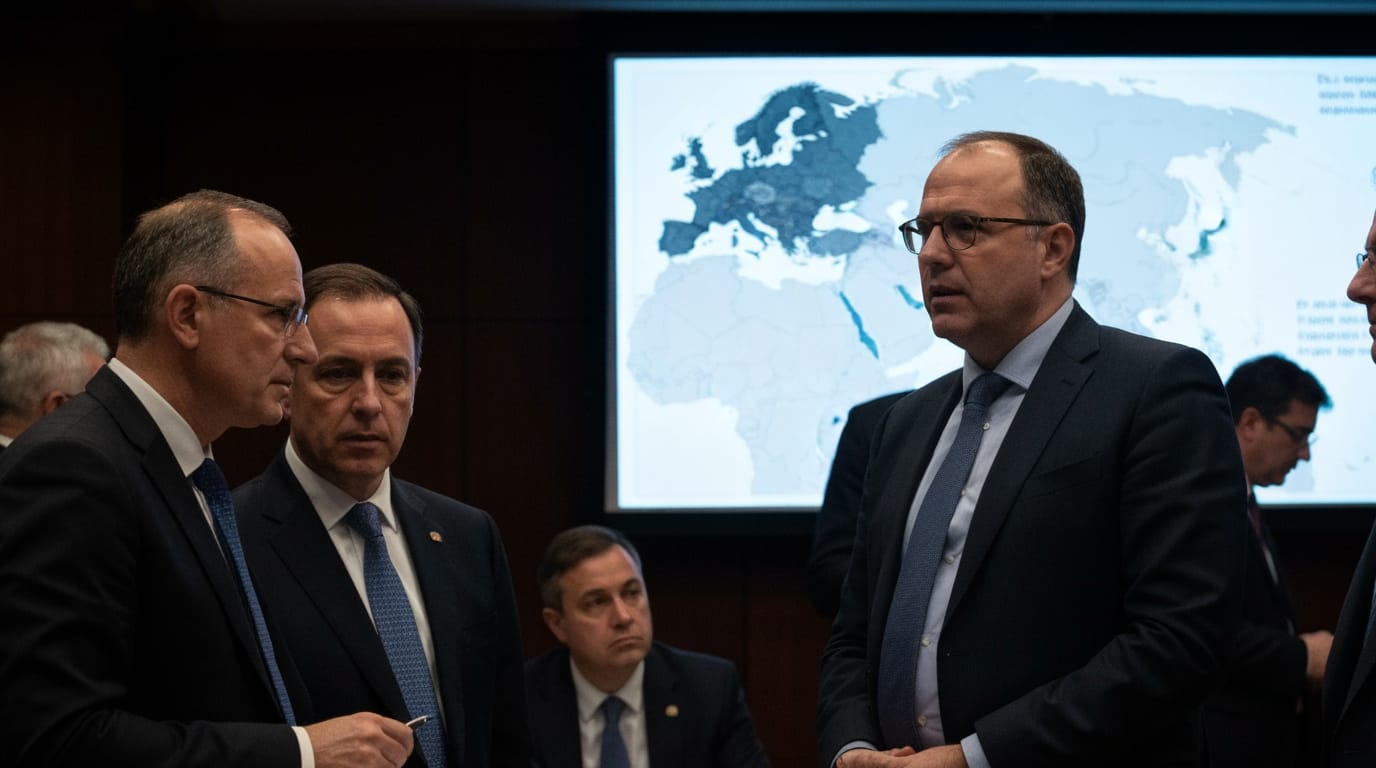
Brussels, Belgium – The European Union today announced a comprehensive package of measures designed to navigate an escalating energy crisis, driven by the ongoing conflict in the Middle East, specifically involving Iran. Dubbed "AccelerateEU," the European Commission's initiative seeks to mitigate immediate price shocks and fuel shortages while accelerating the bloc's long-term transition to a clean, independent energy future. The conflict has already added an estimated €24 billion to the EU's energy import bill, underscoring the urgency of these proposals.
The repercussions of the Middle East war have been acutely felt across global energy markets, particularly impacting oil and gas supplies and creating volatility that threatens European households and industries. With an eye on both immediate stabilization and future resilience, the "AccelerateEU" strategy focuses on a multi-pronged approach, encompassing tax reforms, market oversight, and intensified efforts to electrify the economy. EU leaders are slated to discuss the plan further at an upcoming meeting in Cyprus, signaling the high-level commitment to addressing these critical challenges.
Tackling Energy Costs and Promoting Electrification
A central pillar of the new EU strategy involves significant adjustments to energy taxation, aiming to cushion consumers and businesses from surging prices while incentivizing a shift away from fossil fuels. The European Commission has proposed tweaking existing tax rules to ensure that electricity is taxed at a lower rate than oil and gas. This move is intended to directly reduce energy bills and encourage the adoption of cleaner technologies, such as heat pumps and electric industrial machinery, which are vital for reducing reliance on imported fossil fuels.
The proposals also include a framework for temporary state aid, allowing member countries to directly support vulnerable consumers and energy-intensive businesses. However, the Commission has stressed that any such support must be "targeted, timely and temporary," avoiding broader market distortions. Unlike previous responses to energy crises, the current proposals stop short of measures like a windfall tax on oil and gas companies, a suggestion that had been put forward by five EU finance ministers, and have ruled out a cap on gas prices, which experts warned could be counterproductive.
Further reinforcing the drive towards a greener economy, the Commission plans to set a new electrification target before the summer and introduce specific actions to lower the price disparity between electricity and fossil fuels. This focus is crucial for overcoming a key barrier to the adoption of cleaner technologies and phasing out fossil fuel subsidies. While these changes to the EU's fragmented tax systems require unanimous approval from all member states, historically a challenging feat, the urgency of the current crisis may provide the necessary impetus for consensus.
Securing Fuel Supplies and Market Stability
The Middle East conflict has created particular vulnerabilities in the supply chain for transport fuels, especially jet fuel. Approximately 20 percent of the jet fuel consumed in the EU's 27 nations relies on imports via the Strait of Hormuz, a critical maritime choke point that has been effectively closed due to the ongoing hostilities. In response, the "AccelerateEU" package includes specific measures to optimize the distribution of jet fuel across EU countries, aiming to prevent shortages as the summer travel season approaches.
To enhance oversight and preparedness, the Commission will establish a new EU Fuel Observatory by May 2026. This observatory will be tasked with monitoring the production, imports, exports, and stock levels of transport fuels, alongside refining capacity and military fuel stocks. Additionally, officials are evaluating whether jet fuel should be included in obligatory strategic stocks, a move that would provide an additional layer of security against future disruptions. The Commission will also coordinate with member states, fuel suppliers, airports, and airlines to facilitate the sourcing and distribution of alternative jet fuel supplies.
Beyond transport fuels, the strategy addresses broader energy security, including the coordination of gas storage filling among member states. The Commission encourages nations to utilize existing flexibilities in legislation, potentially allowing for storage levels slightly below the usual 90% target, suggesting 80% capacity as a viable threshold, with a further reduction to 75% possible if needed. This approach aims to avoid price hikes and ensure adequate supplies for the upcoming heating season. An action plan for fertilizers, whose prices have also significantly increased due to the crisis, is also expected in May, focusing on diversifying supplies and supporting European production.
Long-Term Resilience and Green Transition
The current energy crisis, though distinct from the one triggered by Russia's invasion of Ukraine in 2022, is perceived by some as potentially more far-reaching in its impact on commodities and the global economy. This long-term perspective underpins the EU's continued commitment to its Green Deal strategy and accelerating the transition to homegrown, clean energy. As EU Climate Commissioner Wopke Hoekstra noted, the only viable path forward is to intertwine climate competitiveness with energy independence.
The Commission will present an electrification strategy and legislative proposals aimed at achieving its ambitious goal of reducing emissions by 90% by 2040 compared to 1990 levels. Part of this involves a review of the Emissions Trading System (ETS) to channel more financing towards clean energy initiatives, including a proposed Industrial Decarbonisation Bank supported by €100 billion and an Investment Booster funded by 400 million ETS allowances. Furthermore, there will be increased support for sustainable aviation fuel (SAF) and sustainable maritime fuels through the ETS framework.
While some green groups argue that the proposed measures are "half measures" and some MEPs criticize the absence of an EU-wide windfall tax and concrete consumption reduction targets, the "AccelerateEU" package represents a significant step. It underscores the EU's resolve to pivot away from fossil fuel dependencies, transforming a geopolitical challenge into an opportunity to accelerate its green transition and strengthen its strategic autonomy in energy. The collective actions outlined today aim to ensure that citizens and businesses are better shielded from future global energy shocks, reinforcing the bloc's commitment to both economic stability and environmental sustainability.


