Colombia Grapples with Devastation as Thousands Remain Missing After Catastrophic Quake

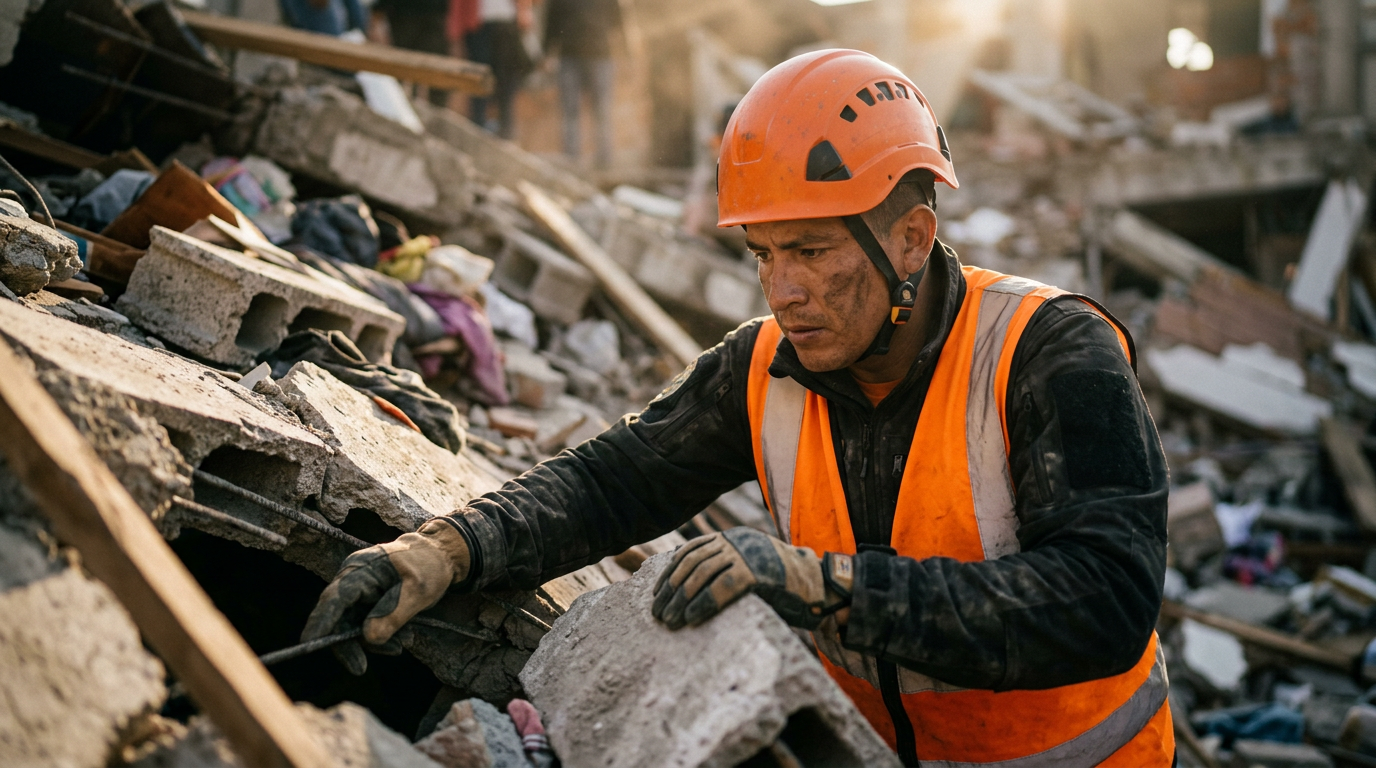
CALI, Colombia – Search and rescue teams across western Colombia are locked in a desperate race against time, sifting through the rubble of collapsed buildings a day after a powerful 7.4 magnitude earthquake struck the region, killing hundreds and leaving more than 3,000 people unaccounted for. The Monday morning tremor, the strongest to hit the country in a decade, has unleashed widespread destruction, transforming once vibrant communities into scenes of pulverized concrete and twisted metal, as families cling to diminishing hopes of finding their loved ones alive.
Western Colombia Rocked by Devastating Tremor
The earth violently shook western Colombia shortly after 7:30 AM local time on Monday, August 10, 2026, sending shockwaves across a wide area that impacted cities like Cali, Pereira, Quibdo, and Manizales, and was even felt in neighboring Ecuador and Panama. The epicenter of the powerful quake was near San Jose del Palmar, deeply affecting the surrounding Choco region, one of Colombia's poorest and most isolated areas. Initial assessments indicate catastrophic damage, with approximately 1,600 buildings reported as damaged or completely collapsed across the affected departments. In the small town of El Cairo, situated near the epicenter, local officials estimate that a staggering 80 percent of its roughly 7,000 residents' homes, many constructed with traditional sticks and mud, crumpled under the force of the tremors. The physical toll is immense, with five thousand homes destroyed in the Valle del Cauca department alone, which includes the hard-hit city of Cali.
A Race Against Time: The Search for the Missing
As the immediate shock subsides, the grim reality of thousands missing has galvanized an extraordinary, yet increasingly desperate, search effort. Authorities reported that by Monday night and into Tuesday, more than 2,700 to 3,000 individuals had been reported missing, fueling frantic rescue operations. Soldiers, emergency crews, and countless volunteers are working tirelessly, often with bare hands, forming human chains to pass heavy chunks of concrete and debris away from potential survivor locations. The urgency is palpable, with every passing hour reducing the chances of finding life beneath the wreckage. In Cali, one of the most severely impacted urban centers, rescuers pulled a 35-year-old man from a collapsed building nearly 24 hours after the quake, offering a glimmer of hope amidst the despair. Dogs and drones equipped with thermal cameras have been deployed to aid in the detection of victims, extending the reach of human efforts into areas too dangerous or inaccessible for direct entry.
The human stories behind the statistics are heartbreaking. Jairo Vargas embarked on a 220-kilometer (135-mile) journey from Medellin to Pereira, holding onto the faint hope of finding his brother alive amidst the ruins of his apartment building. His brother's car, parked outside, offers a painful reminder of his presence, yet the silence from beneath the debris weighs heavily on Jairo's diminishing hope. Similarly, Dana Carolina Zamora posted an image of her missing 60-year-old uncle, Miguel Ángel Zamora, on citizen-run websites, a common practice as families desperately seek any news of their loved ones. These individual tales underscore the profound emotional and psychological impact gripping countless families across the affected region.
Widespread Devastation and Regional Disparities
The earthquake has exposed and exacerbated existing vulnerabilities, particularly in the Choco region where the epicenter lay. This area, known for its poverty and challenging geography, is often accessible only by boat, through dense jungle, or by air, posing significant logistical hurdles for relief efforts. While comprehensive damage assessments for Choco are still emerging due to these access difficulties, the vulnerability of its infrastructure, combined with its remote nature, suggests a particularly severe impact on its communities. Across the broader affected zone, the immediate aftermath has led to significant disruptions in essential services, with airports, hospitals, roads, energy, water, and telecommunications all experiencing severe outages and damage. This widespread breakdown of infrastructure not only complicates rescue missions but also threatens the long-term recovery prospects for the affected populations. The varying reports on death tolls, with federal government estimates initially lower than local authorities' figures, further reflect the chaotic and challenging environment rescue workers are navigating. By Tuesday, local officials in Cali, Pereira, Choco, and Manizales reported at least 179 fatalities, with overall national figures exceeding 200, and both numbers are tragically expected to rise as search efforts continue.
National Response and International Support
The catastrophic earthquake presents the first major crisis for Colombia's newly inaugurated President Abelardo de la Espriella, who was sworn into office just last Friday. In a decisive move, President de la Espriella rapidly mobilized "the entire military and police apparatus," deploying engineers, rescue teams, and specialized search dogs to the hardest-hit areas. He visited Quibdo, the capital of Choco, to assess the damage firsthand and pledged rental subsidies for those whose homes were damaged, promising that Choco "will never again be the 'land of the forgotten.'" The international community has also swiftly responded to Colombia's plight. The United States State Department has pledged $15.5 million in emergency aid, earmarking funds for essential shelter, food, and other critical assistance. Additionally, several regional governments across Latin America have extended their support, preparing to offer further aid to a nation grappling with an immense humanitarian disaster.
Resilience Amidst Ruin
As Tuesday progresses, the arduous work of sifting through the debris continues across western Colombia. The scale of the disaster is profound, marked by a rapidly climbing death toll and the haunting uncertainty surrounding thousands of missing individuals. Each shard of concrete removed, each silent moment of listening for signs of life, is a testament to the sheer will of rescuers and volunteers driven by a collective determination. While the physical scars on the landscape are immense, the spirit of resilience, both nationally and internationally, is already evident. The coming days will be critical, defining the scope of survival and the beginning of a long, challenging path toward recovery and rebuilding for the countless lives irrevocably altered by this devastating natural catastrophe.
Related Articles

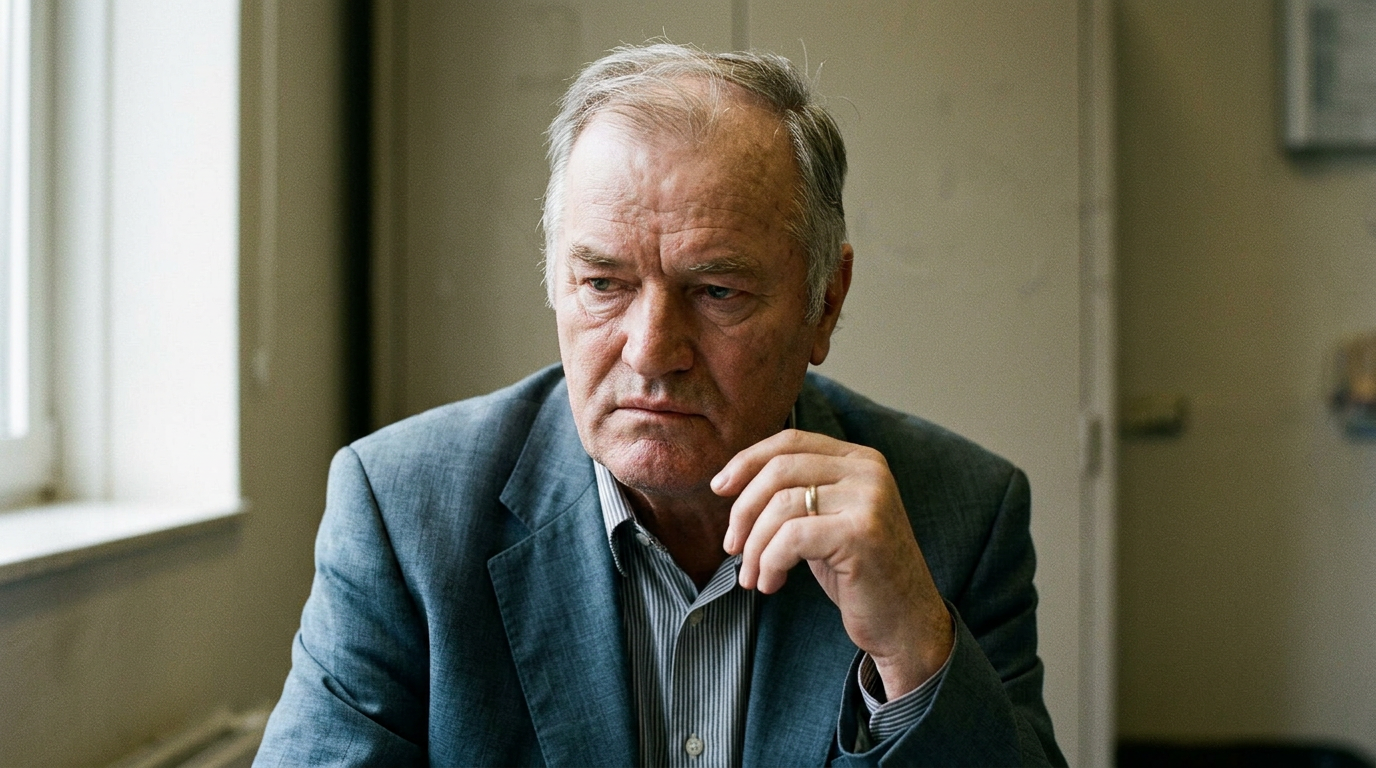
Ratko Mladić, "Butcher of Bosnia" and Convicted War Criminal, Dies at 84
THE HAGUE, Netherlands – Ratko Mladić, the former Bosnian Serb military commander known as the "Butcher of Bosnia" and convicted of genocide, war crimes, and crimes against humanity, has died at the age of 84. Serbian...

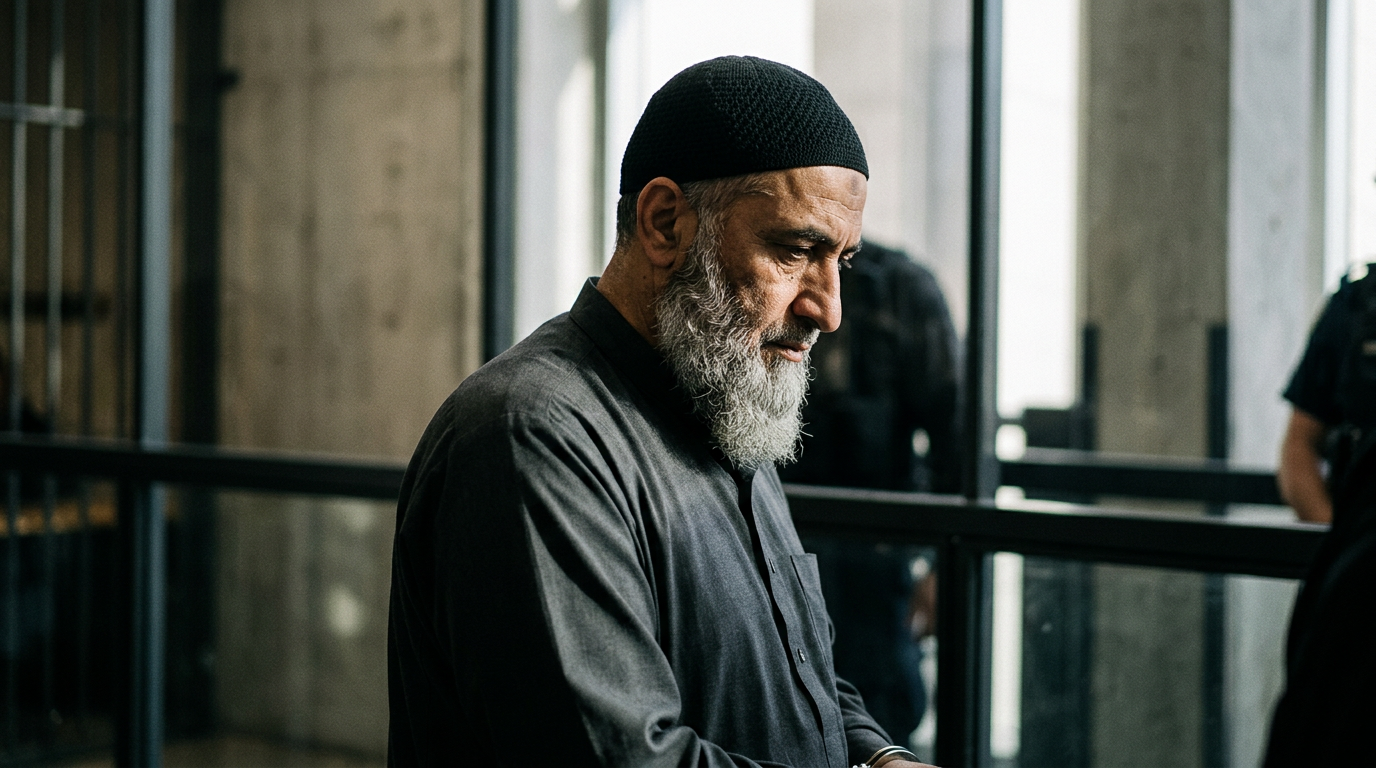
Long-Awaited 9/11 Mastermind Trial Set for 2028, Decades After Attacks
GUANTANAMO BAY, Cuba – Nearly a quarter-century after the devastating terror attacks of September 11, 2001, a military judge has finally set a trial date for Khalid Sheikh Mohammed, the alleged mastermind behind the...