Colombian Presidential Race Plunges into Crisis Amid Escalating Violence
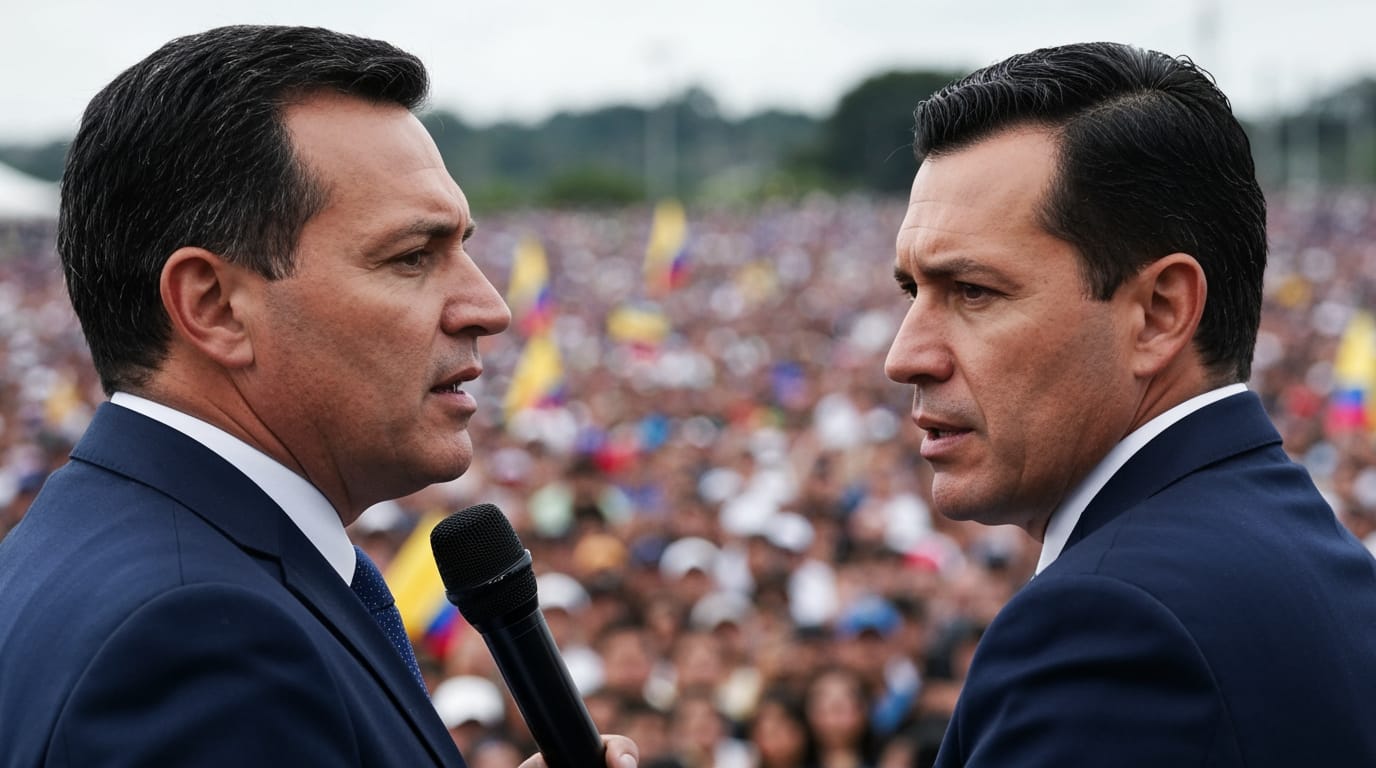
BOGOTÁ, Colombia – Just days before Colombians head to the polls on May 31, 2026, the nation’s presidential election has been engulfed by a terrifying surge in violence, casting a long shadow over the democratic process. A wave of bombings, assassinations, and death threats from illegal armed groups has underscored the fragility of peace and security in many regions, forcing candidates to campaign under heavy guard and raising serious concerns about voter participation and the legitimacy of the upcoming vote. This unsettling escalation marks one of the most violent electoral periods in recent Colombian history, challenging the state's control and pushing public security to the forefront of an already polarized political landscape.
A Campaign Under Fire: The Alarming Rise in Attacks
The lead-up to the presidential election has been marred by a series of brutal attacks, signaling a deliberate attempt by armed groups to influence the electoral outcome and assert their territorial power. One of the deadliest incidents occurred just three weeks ago when a bombing on the highway between Cali and Popayán in the southwestern department of Cauca killed more than 20 people. Authorities attributed this act to the Estado Mayor Central (EMC), a powerful dissident faction of the former FARC rebels, who have been battling for control of lucrative cocaine trafficking routes.
Beyond mass-casualty events, the targeting of political figures has sent shivers through the campaign. Two staff members from right-wing presidential candidate Abelardo de la Espriella’s campaign were shot dead in the central department of Meta. These killings, along with a separate attack on another former mayoral candidate in the same area, prompted Colombia's human rights ombudsman to warn that such acts could undermine "the exercise of political rights and democratic participation." At least three presidential candidates have reported receiving death threats, necessitating heavy security details for many contenders. Southwestern Colombia, including Cauca and Valle del Cauca, along with Arauca and Norte de Santander, have been particularly volatile, experiencing drone strikes, bombings near military bases, and widespread conflict. This surge contributed to a 44% increase in conflict-related fatalities in April alone.
The Fractured Promise of "Total Peace"
The current security crisis directly challenges President Gustavo Petro's flagship "Total Peace" policy, which aimed to negotiate with all of the country's armed groups. While the landmark 2016 peace accord with the Revolutionary Armed Forces of Colombia (FARC) significantly reduced violence initially, its incomplete implementation created a vacuum that other armed groups were quick to exploit. FARC dissidents, who rejected the peace deal from the outset, re-armed and expanded, while the National Liberation Army (ELN) and powerful criminal organizations like the Clan del Golfo intensified their operations.
These groups are now competing fiercely for territorial control and illicit economies, particularly drug trafficking routes, leading to a reconfiguration of violence. Critics argue that the "Total Peace" strategy, which included ceasefires with various groups, inadvertently allowed some to regroup, rearm, and strengthen their grip over regions. The Electoral Observation Mission (MOE) reported a 109% increase in electoral violence between the 2018 and 2022 elections, highlighting a sustained trend of insecurity during political cycles. The first half of 2022 alone saw over 1,300 organized political violence events, with violence targeting civilians accounting for over 62% of these incidents.
Electoral Integrity Under Siege
The escalating violence poses a fundamental threat to democratic participation and the integrity of the electoral process. Armed groups wield significant influence, not only through direct attacks but also by intimidating voters and restricting candidates' ability to campaign freely in territories they control. The human rights ombudsman has explicitly warned that these killings could undermine "the exercise of political rights and democratic participation" ahead of the May 31 election. In many rural areas, the ability to vote without fear is severely compromised, with criminal groups known to control ballot boxes in smaller communities.
The ELN, however, announced a unilateral three-day ceasefire from May 30 to June 2, intending to "guarantee a free vote" on election day. While this offers a brief respite, it also underscores the pervasive presence and influence of illegal armed actors in Colombia's political life. The government has taken steps to bolster security, more than doubling the number of bodyguards for presidential candidates and deploying thousands of police and army platoons to protect campaign events. Despite these efforts, the shadow of violence looms large, raising fears that public security and crime will dominate the presidential campaign and suppress participation in conflict-affected areas.
Stark Choices for a Nation's Future
The pervasive insecurity has pushed security policy to the forefront of the presidential debates, presenting voters with dramatically different visions for the nation's future. Leftist candidate Iván Cepeda advocates for continuing the "Total Peace" policy, seeking negotiated settlements with armed groups as the path to lasting stability. His supporters argue this is the only way to achieve enduring peace, despite the current challenges.
In contrast, conservative rivals, including Paloma Valencia and Abelardo de la Espriella, advocate for a significantly harder line against armed groups. Valencia, for example, has pledged to scrap the "Total Peace" policy, expand police and military forces, and reactivate arrest warrants for rebel leaders, signaling a return to more confrontational security strategies. This presents Colombians with a stark choice: to persist with a strategy of dialogue and negotiation, or to adopt a more militarized approach to reassert state control.
A Critical Juncture for Colombian Democracy
As Colombia approaches its presidential election, the nation finds itself at a critical juncture. The presidential race, intended to solidify democratic transitions, is instead deeply complicated by a resurgence of violence that echoes dark periods of the country's past. The human cost of this conflict is immense, affecting civilians, social leaders, and political candidates alike, threatening the very foundations of democratic participation.
The incoming government will face the daunting task of navigating this complex security landscape, addressing both the immediate threats posed by armed groups and the underlying issues that fuel persistent conflict. The choice Colombians make on May 31 will not only determine their next leader but also chart the course for how the nation confronts its enduring struggle for peace and stability in the face of an ever-present and evolving threat of violence. The ability to guarantee security and foster trust in the electoral process will be paramount for strengthening Colombia's democratic institutions and ensuring a future free from fear.


