Crisis Deepens in Northeast Syria as Kurdish Forces Withdraw from ISIS Camps Amid Syrian Army Advance
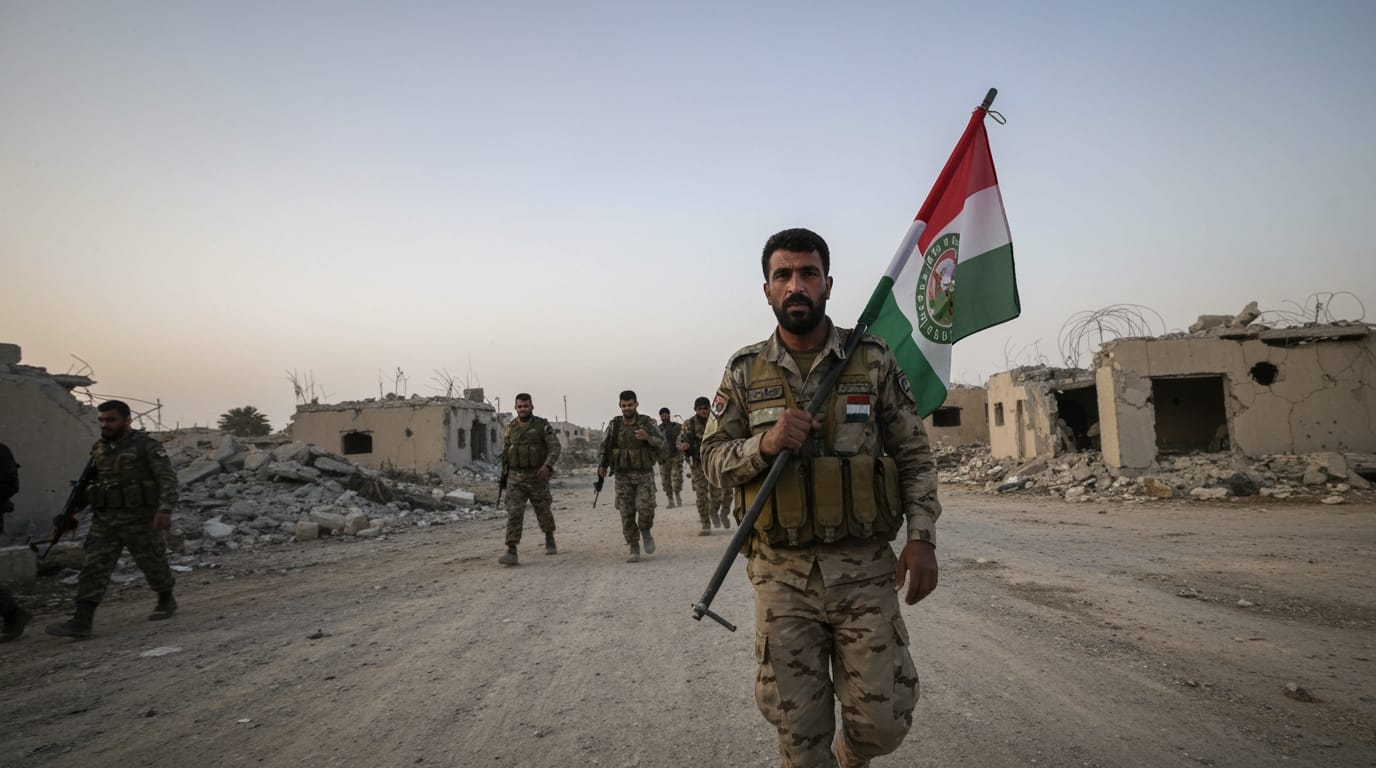
NORTHEAST SYRIA – Kurdish-led forces in northeastern Syria have begun withdrawing from critical detention camps housing tens of thousands of individuals linked to the Islamic State group, including the notorious al-Hol camp, as the Syrian government army presses a significant offensive into the region. This perilous redeployment, born from stalled integration talks with Damascus and intensifying military pressure, has ignited grave international concerns over potential mass breakouts and a dangerous resurgence of ISIS. The Syrian Democratic Forces (SDF), once the primary U.S. ally against ISIS, cite "increasing risks and threats" from the advancing government forces and a perceived "failure of the international community" to address the long-term issue of ISIS detainees as key reasons for their pullout.
The Al-Hol Exodus and SDF's Retreat
The most pressing concern centers on al-Hol, the largest camp in Kurdish-controlled areas, which houses an estimated 23,000 to 27,000 people, predominantly women and children linked to ISIS fighters. On Tuesday, Kurdish guards reportedly withdrew from al-Hol, with the Syrian military claiming this allowed detainees to escape. The SDF, however, stated they were "compelled to withdraw" and redeploy their forces to defend cities in northern Syria facing heightened threats. This move follows intense clashes around the camp and has sparked accusations from the Syrian government that the SDF intentionally left the facility without adequate security.
The withdrawal from al-Hol is part of a broader retreat by the SDF from areas they have controlled for years. Reports indicate that SDF fighters have pulled back from significant swaths of territory in the Arab-majority provinces of Deir al-Zor and Raqqa. The SDF Media Centre also reported intense fighting near al-Aqtan Prison in Raqqa, which holds ISIS detainees, describing the situation as an "extremely dangerous development". Additionally, the Shaddadi prison in Hasaka province reportedly lost control to the advancing forces. These facilities, alongside al-Hol, have long been identified as potential flashpoints for ISIS resurgence due to their overcrowded conditions and the radicalized elements within them.
Syrian Army's Swift Advance and Political Stalemate
The current crisis is a direct consequence of the Syrian government's aggressive push into the country's northeast. Syrian government troops, bolstered by allied Arab tribal fighters, have made rapid gains in predominantly Arab-populated areas previously under SDF control. These advances include securing key towns like Tabqa and its adjacent dams, and gaining control over significant portions of Deir al-Zor province, a critical region for oil and wheat production.
This military offensive comes after months of stalled negotiations between Damascus and the SDF. The talks aimed to integrate Kurdish civil and military institutions into the Syrian state, following a March 2025 agreement. However, these negotiations faltered, with the Syrian government insisting that all SDF units disband and ex-fighters join the new army individually, a demand the SDF resisted. The Syrian army's current strategy appears to be one of reclaiming territory and resources, thereby forcing the SDF's hand and consolidating the government's authority across the region. The United States, while calling for a halt to the Syrian army's advance, has also seen its envoy indicate that the SDF's primary anti-ISIS mission has concluded, suggesting that Kurdish integration into the Syrian state is now the "greatest opportunity" for Kurds in Syria.
Echoes of 2019: A Recurring Crisis
The current instability in northeastern Syria is not without precedent, drawing stark parallels to events in October 2019. During that period, a sudden withdrawal of U.S. troops from northern Syria paved the way for Turkey's "Operation Peace Spring" against Kurdish fighters. The Turkish offensive aimed to establish a "safe zone" along the border and triggered a cascade of events that highlighted the fragility of security in the region and the precariousness of ISIS detention facilities.
As Turkish forces advanced, the SDF warned that they could not guarantee the security of ISIS prisoners if forced to redeploy their forces to the frontlines. This concern materialized dramatically when approximately 750 to 800 ISIS-affiliated individuals, primarily women and children, escaped from the Ain Issa camp following Turkish shelling near the area and the subsequent withdrawal of Kurdish guards. That event underscored the potential for widespread breakouts whenever security around these camps is compromised, raising the specter of a regrouped and resurgent ISIS. The Syrian government also moved into some areas in 2019 to counter the Turkish offensive, further complicating the already volatile landscape. The recurring nature of these security challenges underscores the deep-seated complexities of the Syrian conflict and the enduring threat posed by ISIS.
Humanitarian Catastrophe Looms and International Reaction
The recent withdrawals and military advances have significantly heightened humanitarian concerns. Al-Hol, in particular, has long been described as a "hotbed of extremism" where radicalized individuals seek to maintain the ideology of the Islamic State. With guards withdrawing and reports of escapes, the potential for a large-scale exodus of ISIS-linked individuals, including battle-hardened women and their indoctrinated children, presents a severe security threat not only to Syria but to the international community.
Neighboring states and international organizations have consistently warned about the dangers emanating from these camps. Iraq, for instance, has voiced concerns about potential spillover effects and has increased its military readiness along its border with Syria. The international community faces a renewed dilemma: how to secure these populations and prevent an ISIS resurgence, especially with the SDF, which previously bore the brunt of guarding these facilities, now heavily engaged on other fronts. Calls for de-escalation have come from international actors, including the United States, which urged Syrian government forces to halt their offensive actions. However, a unified and effective international strategy for managing the fate of ISIS detainees remains elusive, leaving the region vulnerable to further instability.
A Precarious Future for Syria and the Fight Against Extremism
The withdrawal of Kurdish forces from key ISIS detention camps amidst the Syrian army's advance marks a critical turning point in the protracted Syrian conflict. It signifies a dramatic shift in the control map of northern and eastern Syria, consolidating President Ahmed al-Sharaa's rule over areas previously under the autonomous administration of the Kurds. While Turkey has welcomed the agreement between Damascus and the SDF leadership, hoping for stability, the reality on the ground remains volatile.
The immediate implications include a significant risk of ISIS members escaping and potentially reorganizing, further destabilizing a region already ravaged by years of war. The long-term consequences for the fight against extremism, the future of Kurdish self-administration, and the broader regional power dynamics are profound. As the Syrian government reasserts control, the challenge of managing the thousands of ISIS-linked detainees and preventing a resurgence of the group now largely falls to Damascus, a task that will require considerable resources and international cooperation to prevent another chapter of chaos and violence.


