Cuba Grapples With Second Nationwide Blackout in Five Days, Deepening Energy Crisis
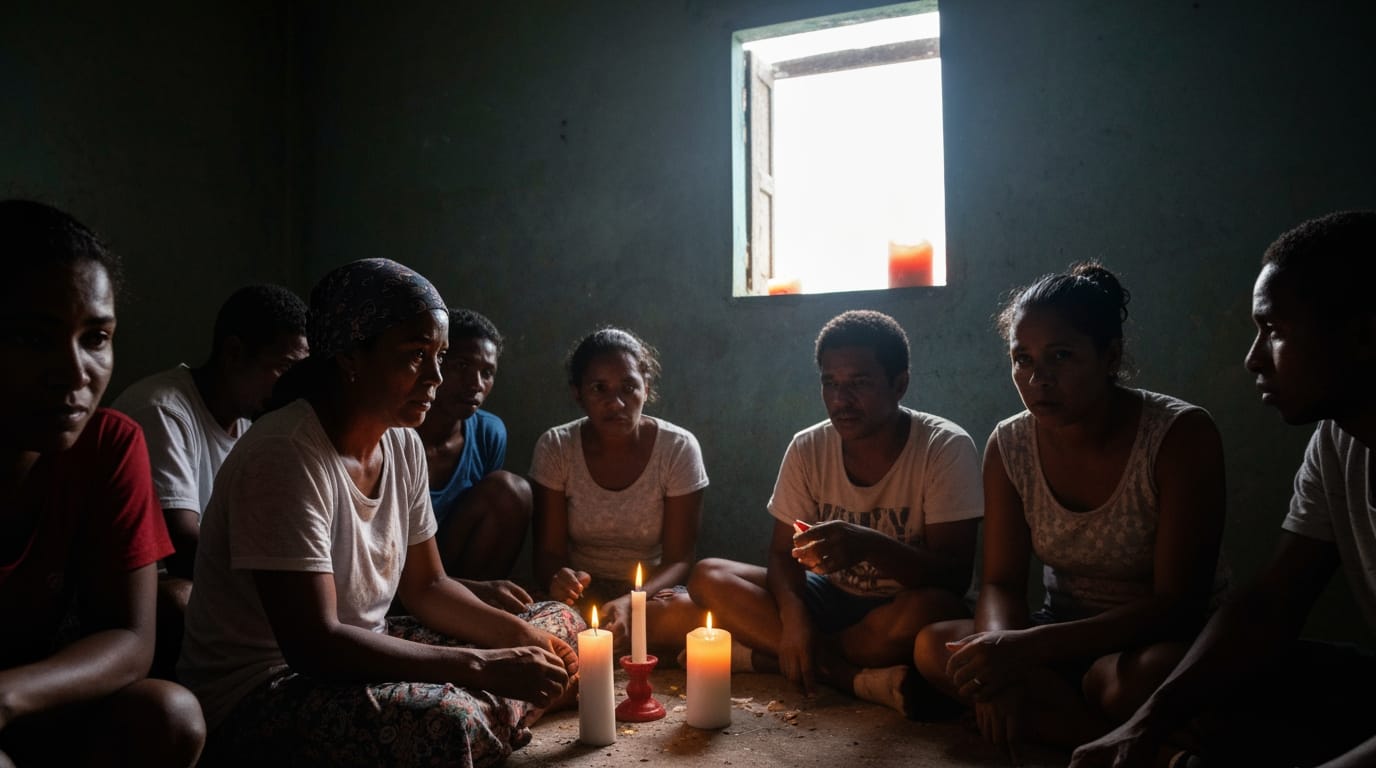
HAVANA — Cuba was plunged into darkness for the second time in just five days on Friday, July 10, 2026, as its beleaguered national electric system experienced another "total collapse," further exacerbating a deepening energy and economic crisis across the island nation. The widespread outage left millions of Cubans without power, highlighting the critical fragility of the country's aging infrastructure and its profound dependence on scarce imported fuel. The incident follows a similar nationwide blackout on Monday, July 6, that crippled the grid and caused immense disruption to daily life.
Island Plunged into Darkness Again
The state-owned Unión Eléctrica (UNE) announced the latest system failure via social media, stating that a "total collapse of the national electric system" occurred around 4:30 PM local time. While an immediate, specific cause was not provided, such events are often attributed to an outage in a single power unit causing a "cascading effect" across the interconnected, brittle grid. The prior blackout on Monday had left approximately 10 million people without electricity. Reports indicated that electricity began to fail in Havana around 6:30 PM on that occasion, with the energy ministry confirming a "total disconnection." The recurring widespread outages underscore an accelerating crisis that has seen nine nationwide power failures since late 2024, with four occurring already in the current year.
A Decades-Long Decline: The Aging Infrastructure
At the heart of Cuba's persistent power woes lies an electrical infrastructure that has suffered from decades of underinvestment and deferred maintenance. The country relies heavily on a network of 16 oil-fired thermoelectric plants, many of which are over 40 years old, significantly exceeding their intended operational lifespans of roughly 100,000 hours. This antiquated system is prone to frequent breakdowns and requires constant repairs, leading to a vicious cycle of maintenance challenges.
As of early 2026, a substantial portion of these plants were offline due to breakdowns and fuel shortages, with some sources indicating as many as eight units out of service. The operational plants often run at a mere 34% of their rated capacity. Cuba's total installed generation capacity hovers around 3,000 megawatts (MW), but effective output rarely surpasses 2,000 MW. This structural gap means the island faces a deficit of 1,500 MW or more on an average day, a figure that can approach 2,000 MW when major plants fail. Without sufficient redundancy, a local failure can easily trigger a domino effect, leading to a complete system collapse.
Fuel Starvation and Geopolitical Tensions
Compounding the infrastructural decay is a severe and chronic fuel shortage. Cuba imports the majority of the oil needed to power its thermal plants, making it highly vulnerable to fluctuations in international markets and geopolitical pressures. Deliveries from traditional allies like Venezuela and Russia have been inconsistent, and limited foreign currency reserves restrict Cuba's ability to purchase from other suppliers. Furthermore, the U.S. has tightened sanctions against Cuba, implementing measures specifically designed to disrupt the island's fuel access. Reports indicate that the island received effectively no oil imports in January 2026, for the first time since 2015, following the U.S. cutting off Venezuelan shipments and Mexico suspending planned exports. Russian shipments, when they arrive, often cover only a short period of consumption. This "de facto oil blockade" has been cited by Cuban officials as a significant factor in the escalating energy crisis. The use of domestic crude, which is heavy and sulfur-rich, further accelerates wear and tear on the already strained equipment.
Life Under Blackout: The Human Toll
The energy crisis has translated into dire living conditions for ordinary Cubans, marking the most severe period since the "Special Period" of the 1990s following the collapse of the Soviet Union. Rolling blackouts have become a daily norm, frequently lasting 15 hours in Havana and extending beyond 40 hours in interior regions. Some residents have reported outages stretching up to 70 hours at a time. These prolonged power cuts have a cascading effect on essential services. Water shortages are common, as electricity is required to operate pumps. Refrigeration becomes unreliable, leading to spoiled food and threatening medicine storage. Communication networks, including internet and cellular services, weaken or fail entirely.
The human cost is substantial. Many Cubans are forced to endure the Caribbean summer heat without air conditioning or fans, leading to increased discomfort and health concerns. Hospitals, while often equipped with emergency generators, depend on scarce diesel fuel, leaving healthcare facilities vulnerable during extended outages. The disruption affects everything from school schedules to business operations, as even the crucial tourism industry struggles to maintain services. Public frustration has intensified, leading to scattered protests across the island, highlighting the widespread discontent over worsening living conditions. International organizations have also noted a growing humanitarian crisis, with rising infant mortality rates and severely reduced availability of essential medicines.
Searching for Solutions Amidst Deepening Crisis
In response to the escalating crisis, the Cuban government, through UNE, has implemented a combination of emergency measures and long-term strategies. Short-term responses include activating micro-grids to provide power to critical facilities such as hospitals and water treatment plants, and employing rolling blackouts to prevent total grid collapse. The government has also resorted to costly stopgap measures like leasing floating power plants and importing small generators, though these are viewed as unsustainable.
For the long term, Cuba has articulated goals to diversify its energy matrix, with a focus on developing renewable energy sources like solar power. Officials have reported ongoing construction of solar farms with ambitious targets for new installed capacity. However, renewables currently account for less than five percent of Cuba's electricity mix, and significant financial investment — estimated at $8 to $10 billion — is needed to recapitalize the entire power system, a challenge given the country's restricted access to international credit and trade.
Conclusion
Cuba's current energy crisis is a complex confluence of an antiquated electrical grid, chronic fuel shortages exacerbated by geopolitical tensions and U.S. sanctions, and deep-seated financial limitations. The recent pattern of nationwide blackouts is not merely a series of isolated incidents but rather the stark manifestation of a system stretched to its breaking point. For millions of Cubans, these blackouts signify a daily struggle for basic necessities, undermining quality of life and fostering growing discontent. Without substantial structural reforms, massive investment, and a resolution to the critical fuel supply issues, the cycle of darkness is likely to persist, casting a long shadow over the island's future.