Radical Group Claims Responsibility for German Rail Sabotage, Sparking Infrastructure Security Concerns
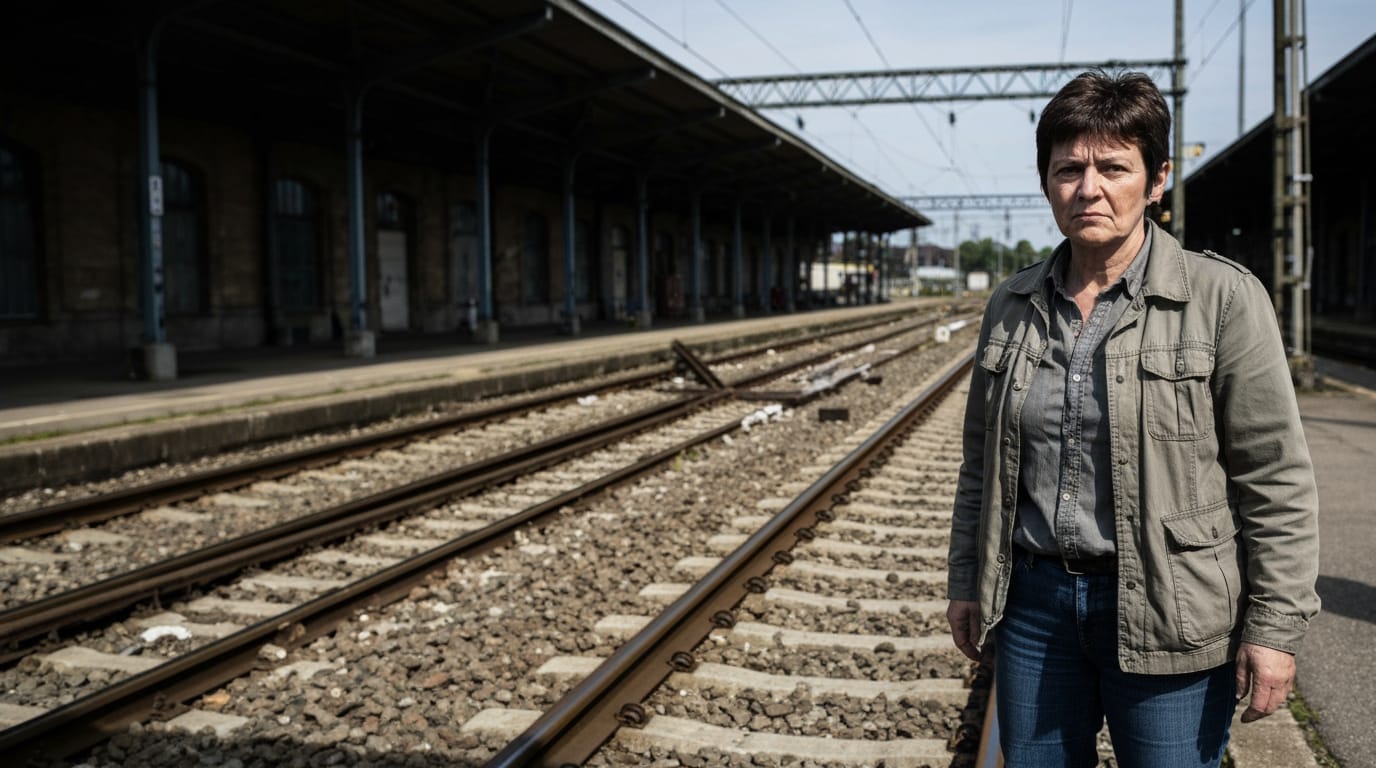
A fire that severely disrupted railway operations between Düsseldorf and Cologne on Friday has been attributed to an act of sabotage, with a radical left-wing group claiming responsibility. The incident, which involved incendiary devices placed in cable trenches north of Leverkusen, has led to extensive closures and delays on a vital transportation artery, reigniting concerns over the vulnerability of Germany's critical infrastructure to extremist attacks. Security officials are treating the claim as credible, launching a comprehensive investigation into the deliberate disruption.
Deliberate Attack Cripples Major Rail Line
The incident unfolded on Friday, July 10, when a fire erupted along the railway line, necessitating an immediate closure of the affected section. Investigators quickly moved to the scene, where evidence suggested a deliberate act rather than an accidental malfunction. Incendiary devices were reportedly discovered in cable shafts located at the northeast corner of the Wupper Bridge and in a narrower, adjacent shaft. The damage, described by Deutsche Bahn as "immense," impacted crucial signal and switch control components, paralyzing a key route for both regional and long-distance travel.
Soon after the fire, a statement emerged on indymedia.org, a left-wing online platform, from a group identifying itself as "Kommando Angry Birds." The group explicitly claimed responsibility for the sabotage, asserting their actions were motivated by a desire to halt "mass extinction" driven by "technological escalation." Security officials in Germany are currently operating under the assumption that this claim is authentic. The State Security Division of the Cologne Police Department has taken charge of the investigation, probing the extent of the criminal offense and the intentional setting of the fire, while also exploring potential links to other past incidents.
The immediate consequences of the sabotage have been significant, causing widespread disruptions across the German rail network. Travelers on routes connecting major cities like Düsseldorf and Cologne have faced substantial detours, prolonged delays, and numerous train cancellations. The indefinite closure of the line underscores the severity of the damage and the complex nature of the repairs required to restore full service.
A Pattern of Disruptions by Radical Groups
The "Kommando Angry Birds" group is not new to German authorities. Approximately one year ago, in August 2025, the same far-left extremist organization claimed responsibility for a similar attack on the main rail line situated between Düsseldorf and Duisburg. That incident also involved fires set on electrical cables, leading to considerable disruption. Local Interior Minister Herbert Reul had previously issued warnings about the group, noting their involvement in several acts of sabotage within the Düsseldorf area over recent years. Their activities reportedly include an attempted attack on an electrical substation in Erkrath in early January of the current year.
The emergence of "Kommando Angry Birds" follows a broader trend of infrastructure targeting by radical left-wing entities in Germany. Another prominent group, "Vulkangruppe" (also known as the Vulkan Group), has been active since around 2011, focusing its efforts on energy, railway, and data infrastructure, particularly in the vicinity of Berlin.
Earlier this year, in January 2026, the Vulkangruppe claimed responsibility for an arson attack on power cables in Berlin. This action resulted in a blackout affecting 45,000 households and 2,000 businesses, specifically targeting the gas-fired Lichterfelde power plant. The group articulated its motive as a protest against the "greed for energy" that they perceive as devastating the Earth. Another notable attack attributed to the Vulkangruppe occurred in March 2024, when an arson incident targeting a high-voltage pylon temporarily halted production at the Tesla Gigafactory Berlin-Brandenburg.
These groups often publish manifestos or claims of responsibility on left-wing platforms, articulating their anti-capitalist, anti-industrial, or radical environmentalist ideologies. Their methods typically involve arson and the destruction of critical infrastructure components, such as electrical cables and signal systems, to cause maximum disruption.
Heightened Security Concerns and Broader Context
The recurring nature of these attacks has intensified scrutiny on Germany's preparedness to protect its vital infrastructure. Incidents like the recent sabotage highlight the challenge authorities face in safeguarding extensive and often accessible networks. Transport specialists emphasize the economic and social costs associated with such large-scale disruptions, advocating for a more assertive approach to securing rail corridors. Debates in political circles and among security experts increasingly focus on balancing public access to transportation systems with the imperative to shield critical nodes from malicious interference.
Historically, Germany has faced threats from various forms of extremism, including left-wing groups that have targeted infrastructure. In October 2011, a series of arson attacks on railway infrastructure in the Berlin area, claimed by a group linked to Vulkangruppe, caused major rail disruptions and prompted federal prosecutors to investigate politically motivated sabotage. These historical precedents underscore the long-standing challenge of protecting public services from radical elements.
While authorities work to identify and apprehend the perpetrators of the recent Leverkusen attack, the ongoing investigation will also assess any potential connections between the "Kommando Angry Birds" and other extremist groups, both domestically and internationally. The German government and railway operators are under increasing pressure to enhance security measures, which could include expanded video surveillance, improved coordination between security agencies, and investment in redundant communication systems designed to maintain services even if specific components are compromised. However, civil liberties advocates caution against overly broad surveillance, arguing for targeted, intelligence-led protection of truly critical installations.
Unraveling the Impact
The sabotage north of Leverkusen serves as a stark reminder of the persistent threat posed by extremist groups to essential public services. Beyond the immediate inconvenience to thousands of travelers, such attacks erode public confidence in the reliability and security of national infrastructure. The economic ramifications are also substantial, with costs incurred from repair work, lost productivity due to travel delays, and the broader impact on supply chains. As investigations continue, the focus remains on understanding the full scope of the attack, identifying those responsible, and implementing robust measures to prevent future occurrences. The incident underscores the complex interplay between security, infrastructure resilience, and the societal challenges posed by radical ideologies.