Tragic Speedboat Capsize Claims 15 Indian Tourists Off Vietnam's Phu Quoc Island
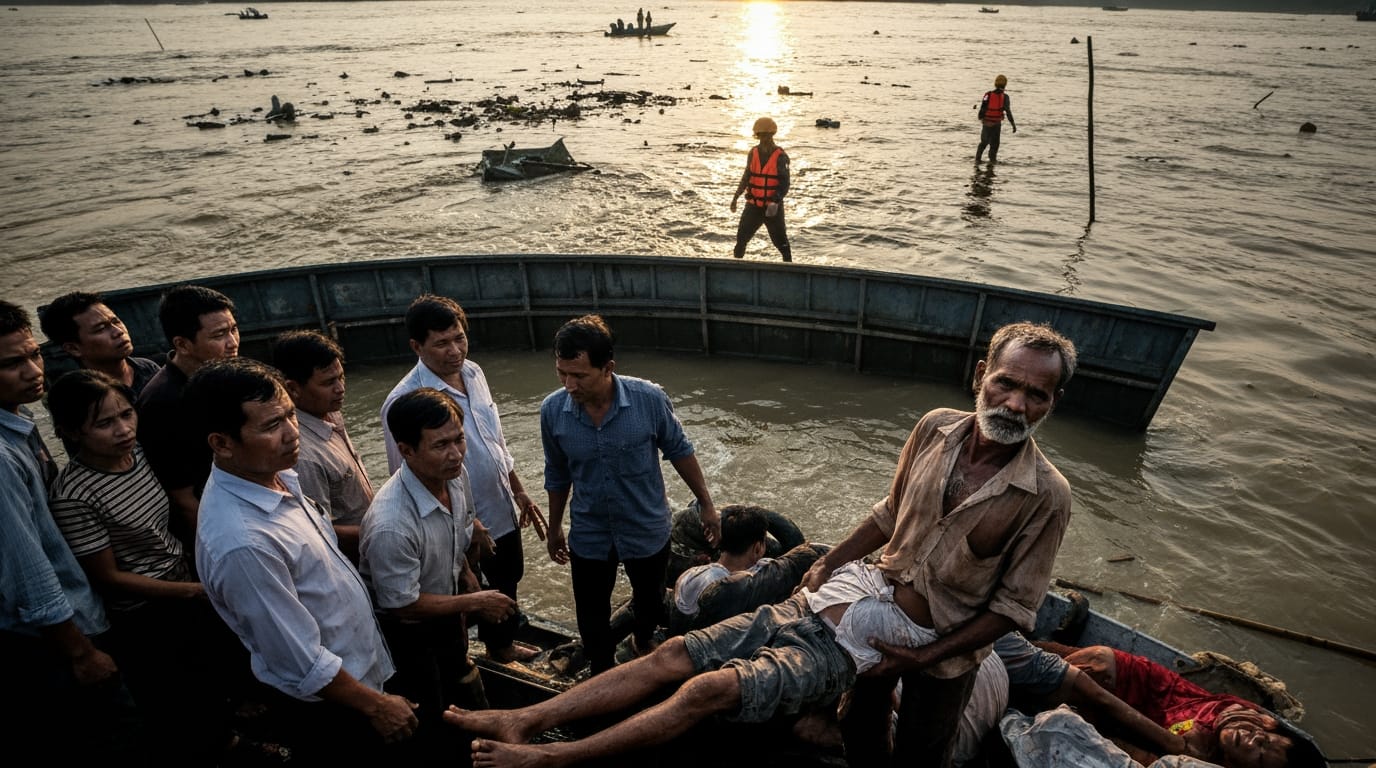
PHU QUOC, Vietnam – A pleasure trip turned to tragedy on Saturday when a speedboat carrying dozens of Indian tourists capsized amidst rough seas off Vietnam's popular Phu Quoc Island, resulting in the deaths of 15 individuals. The incident, which occurred near Hon May Rut Ngoai Island, has sent shockwaves through the international tourism community and prompted immediate calls for thorough investigations into maritime safety standards in the region.
The ill-fated vessel, transporting 32 Indian tourists, three crew members, and one attendant, overturned approximately 400 meters (1,310 feet) from shore while en route from Hon May Rut Island to An Thoi Port. Initial assessments by local authorities point to heavy winds and high waves as contributing factors to the catastrophic event. Twenty-one people were successfully rescued from the turbulent waters, many by nearby boats that rushed to the scene in the immediate aftermath of the capsize. However, the challenging sea conditions and the fact that several passengers were reportedly trapped inside the overturned boat made rescue efforts difficult for the responding border guards, navy, and coast guard units. All fatalities were recovered from the site, and injured survivors were promptly transported to local hospitals.
The picturesque Phu Quoc, Vietnam's largest island situated in the Gulf of Thailand, has become a burgeoning destination for international visitors, including a growing number of Indian tourists drawn to its pristine white-sand beaches and clear waters. The waters surrounding the island are dotted with smaller islets like Hon May Rut Ngoai, frequently accessed by speedboats for island-hopping excursions. These tours are a cornerstone of the island's tourism appeal, offering visitors a chance to experience the region's natural beauty. The suddenness and severity of Saturday's accident, however, cast a somber shadow over this popular attraction, raising critical questions about the preparedness and safety measures in place for such maritime activities, especially during unpredictable weather conditions.
In the wake of the disaster, the Indian Embassy in Vietnam moved swiftly to address the crisis, confirming the tragic incident and establishing emergency response centers in both Ho Chi Minh City and Hanoi. These centers are tasked with providing assistance to affected families and coordinating with Vietnamese authorities to ascertain the precise details surrounding the capsize. The prompt response underscores the human element at the heart of such a tragedy, as families in India grapple with the sudden loss of loved ones on what was intended to be a memorable vacation. The ongoing investigations will be crucial in providing answers to the families and understanding the sequence of events that led to the fatalities.
This latest maritime incident, while specific to Phu Quoc, draws attention to broader concerns regarding waterway safety in Vietnam's bustling tourism sector. The country has experienced previous boat accidents, notably a severe capsize in Halong Bay just last year (July 2025) that claimed 39 lives. Such occurrences highlight a recurring challenge in ensuring consistent and rigorous safety protocols across all marine tourism operations. While Vietnamese law outlines strict technical regulations for marine safety equipment, including mandates for life jackets, signal devices, and regular inspections for high-speed boats, the implementation and enforcement of these standards remain a critical area of focus. Reports indicate that safety regulations and standards for sea travel in Vietnam may not always align with those found in some Western countries, prompting travel advisories for tourists to diligently check the safety records and registration of tour operators, ensure full safety briefings, and confirm the availability of life jackets. These precautions emphasize the shared responsibility of operators and tourists alike in mitigating risks inherent in adventure tourism.
The full impact of this tragedy will likely reverberate beyond the immediate grief and rescue operations. It serves as a stark reminder of the inherent risks associated with marine travel, particularly in regions where weather can quickly turn treacherous. As investigations continue, authorities will be under pressure to determine if negligence, mechanical failure, or a lack of adherence to safety protocols played a role. For Vietnam's tourism industry, the incident poses a significant challenge, requiring a transparent and robust response to reassure international visitors of their safety. Ultimately, the lessons learned from this devastating event must translate into concrete actions to prevent future recurrences, safeguarding the lives of both local and international tourists who seek to explore the natural wonders of Vietnam.


