Cuba on the Brink: US Oil Blockade Threatens Humanitarian Collapse
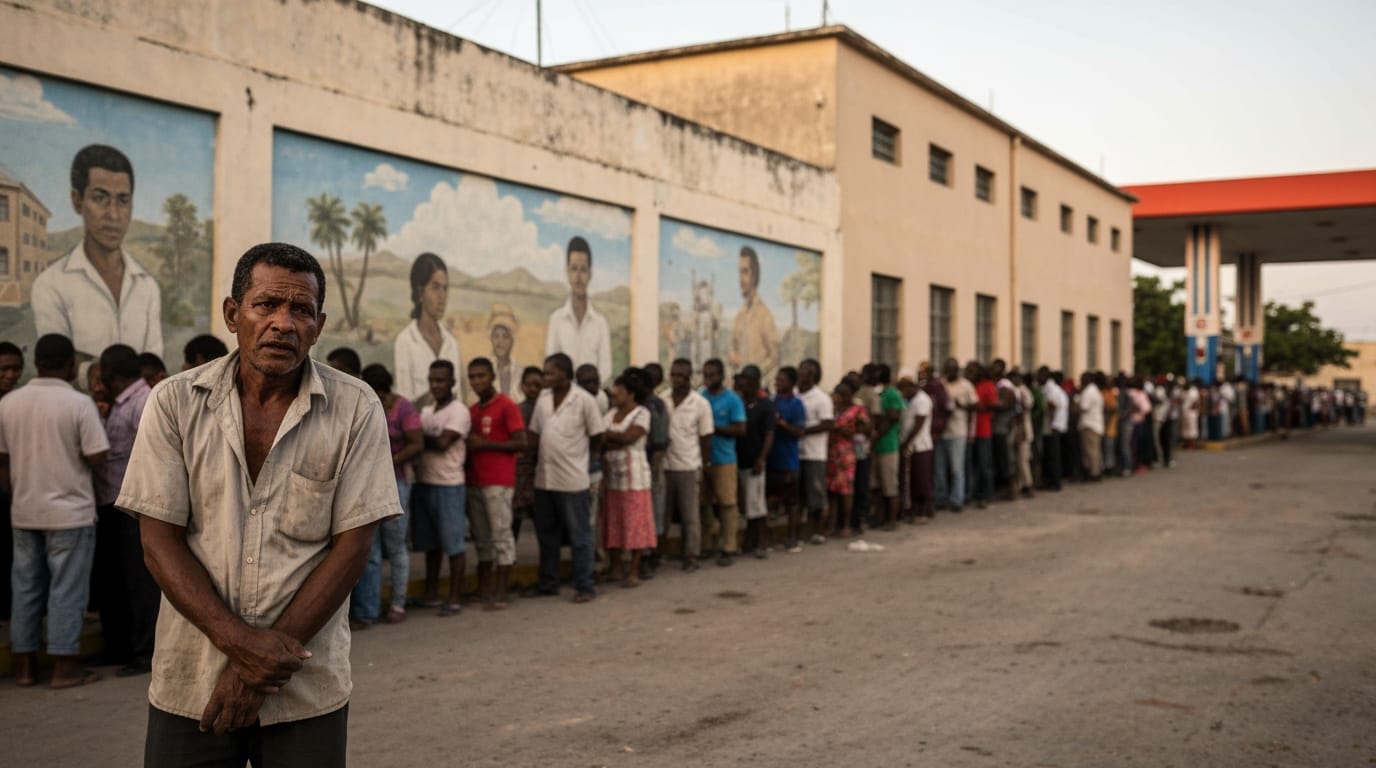
HAVANA – Cuba faces its gravest energy crisis since the 1990s, with critical oil reserves estimated to last only 15 to 20 days, as intensified U.S. sanctions and a de facto oil blockade severely cripple the island nation's ability to fuel its economy and provide basic services. The deepening crisis, exacerbated by recent U.S. actions against Venezuela and a new executive order targeting third-party oil suppliers, has pushed Cuba to the precipice of a humanitarian catastrophe, prompting urgent warnings from the United Nations and widespread concern among its citizens.
The Embargo's Tightening Grip
The longstanding U.S. embargo against Cuba, a policy in effect for over six decades, has entered an aggressive new phase, specifically targeting the island's vital oil supply. A recent executive order, signed by U.S. President Donald Trump on January 29, threatens punitive tariffs on any country selling oil to Cuba, a move described by Havana as an attempt at "economic strangulation" and a "flagrant violation of international law." This directive follows a naval blockade and U.S. military operations in Venezuela, which led to the abduction of President Nicolás Maduro, effectively severing Cuba's primary oil lifeline. The U.S. government maintains that Cuba poses an "unusual and extraordinary threat to national security," justifying its escalated measures. Analysts suggest the current U.S. strategy aims for systemic collapse in Cuba rather than normalization, seeking to control and limit oil supply as a weapon for political transformation.
Cuba's Crippled Lifeline
Cuba's economy is structurally dependent on oil, with 83% of its power generation and 56% of total energy consumption relying on oil products across industry, transport, agriculture, and households. For decades, the island has heavily relied on imported oil, particularly from Venezuela, under an "oil-for-doctors" scheme initiated by former Venezuelan President Hugo Chávez. In 2022, Venezuela supplied 75% of Cuba's crude oil imports, though this dropped to 58% in 2023 as Cuba diversified. However, following the U.S. intervention in Venezuela in early January, which led to the capture of President Maduro, Venezuelan oil shipments to Cuba have effectively ceased.
This abrupt halt has been compounded by pressure on other suppliers. Mexico, which emerged as a significant source providing an average of 17,200 barrels per day and briefly became Cuba's largest supplier in 2025, paused deliveries in early January after U.S. pressure. Russia and Algeria, other occasional suppliers, have also seen their shipments interrupted or significantly reduced. Cuba's domestic oil production accounts for only about 40% of its consumption, leaving a substantial deficit that can no longer be reliably met by imports.
A Nation in Darkness: Daily Life Under Duress
The immediate impact of the severe oil shortage is manifesting in widespread power outages, fuel rationing, and a looming disruption of essential services. Data analytics firm Kpler estimates Cuba has only 15 to 20 days of oil left at current demand and production levels. Nationwide blackouts have become a regular occurrence, with some regions enduring outages for 15, 20, and even over 40 hours at a time, echoing the devastating "Special Period" of the 1990s following the collapse of the Soviet Union.
These blackouts cripple daily life. Refrigeration, vital for preserving food and medicine, becomes unreliable, threatening public health, particularly in a country that imports approximately 80% of its food. Transportation is severely hampered, with long lines snaking around gas stations, leading to desperation and unrest. Basic services like water supply, which relies on electricity for pumps, are interrupted, and internet access becomes patchy. The tourism sector, a crucial source of revenue, has already seen visitor numbers plummet, with many hotel facilities largely unused. The UN Secretary-General António Guterres has warned that Cuba faces an imminent humanitarian "collapse" if its oil needs are not met, citing the devastating impact on hospitals, food production, and water treatment.
Scrambling for Survival: Adaptation and Alternatives
In response to the escalating crisis, the Cuban government has intensified its search for alternative energy sources and new international partners. Cuba has reportedly sought fuel supplies from Africa, a sign of its desperate efforts to secure oil from unconventional sources. Simultaneously, the government is accelerating its push into solar energy, treating it as an urgent solution to reduce vulnerability to sanctions and fuel shortages. Plans include increasing solar power plants, expanding electricity production from gas, and installing photovoltaic kits in health centers and emergency units to ensure basic services are maintained. Cuba is also working to expand its oil storage capacity to better cope with future blockades or delivery delays.
Cuban officials, while condemning the U.S. actions as "genocidal," have signaled a willingness to engage in dialogue with the United States, provided it is "without pressure, on equal terms, and with respect for Cuban sovereignty." However, the current U.S. administration's stated aim of achieving regime change through economic pressure makes such reconciliation unlikely in the immediate future. Mexico's President Claudia Sheinbaum, while initially pausing oil deliveries, has pledged humanitarian aid, including food and other goods, and is working through diplomatic channels to resolve oil shipments for humanitarian reasons.
On the Precipice
Cuba stands at a critical juncture, facing what many describe as an existential crisis fueled by a severe and immediate oil shortage. The confluence of decades-old U.S. sanctions and recent, aggressive measures targeting the island's energy supply has created an unprecedented situation, pushing the nation towards a potential humanitarian disaster. With oil reserves dwindling rapidly and the capacity to import severely hampered, the Cuban government faces immense pressure to sustain its populace and maintain essential services. The coming weeks will be crucial in determining the immediate fate of millions of Cubans and the long-term implications for the island's resilience under extraordinary duress.


