Cuba Pardons Over 2,000 Prisoners Amid Intensified U.S. Pressure and Holy Week Observance
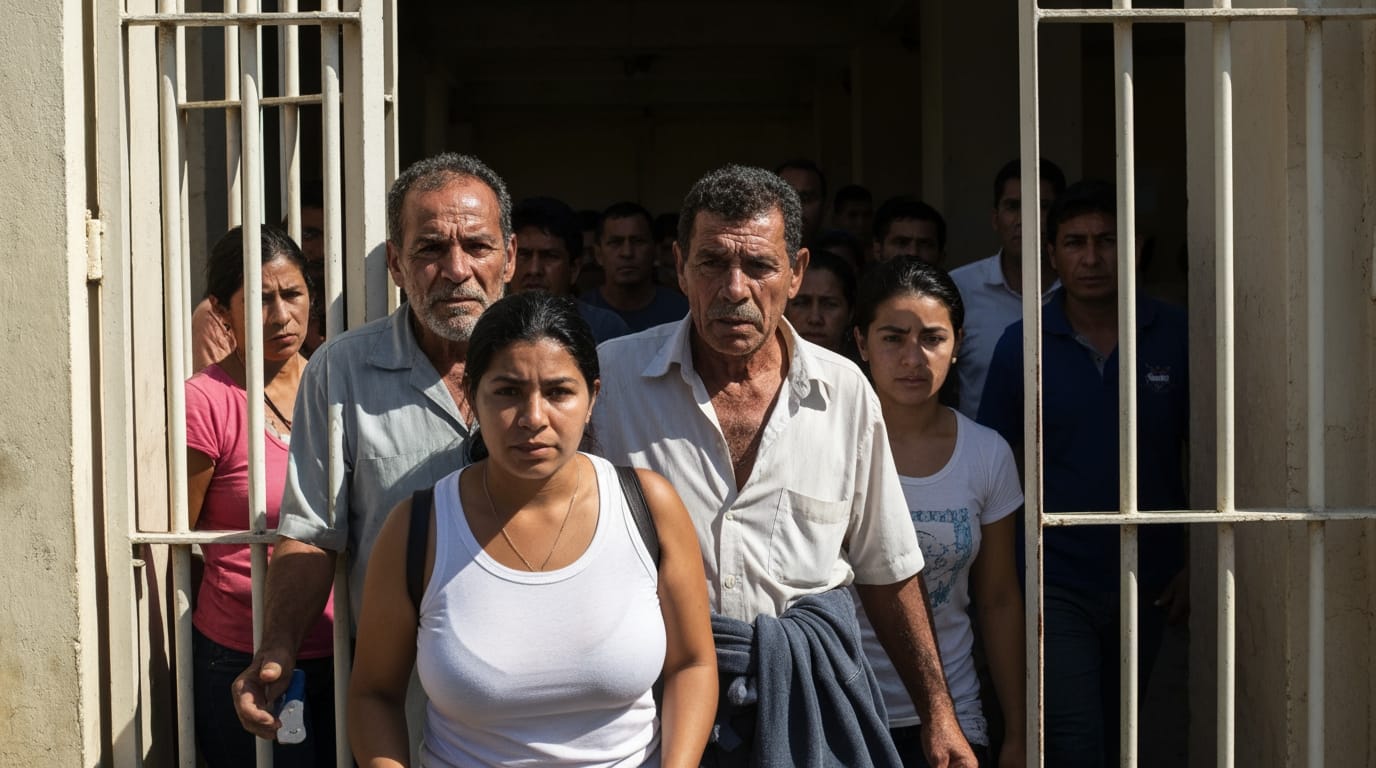
HAVANA – In a significant move that blends humanitarian overtures with complex geopolitical undertones, the Cuban government has announced a pardon for 2,010 prisoners, coinciding with Holy Week. The sweeping amnesty, described by state media as a "humanitarian and sovereign gesture," comes at a time when the island nation faces mounting economic challenges and intensified pressure from the United States, including a stringent oil blockade. This release marks one of the largest such actions in recent years and highlights the intricate dance between internal policy, religious observance, and international diplomacy.
A Timely Release: Humanitarian Act or Strategic Maneuver?
The pardon, publicly announced on Thursday, encompasses a diverse group of individuals, including young people, women, and prisoners over 60 years old. Also among those granted clemency are foreign nationals and Cuban citizens residing abroad. Cuban authorities justified the decision by citing a "careful analysis of the characteristics of the crimes committed by those sanctioned, their good behavior in prison, having served a significant portion of their sentence, and their health status." While framed as a gesture connected to Holy Week commemorations, a traditionally observed Christian period, the announcement notably omitted any direct reference to the severe economic pressures emanating from the United States.
The government's statement, published in state media outlets like Granma, emphasized the humanitarian aspects and the decision's alignment with established penal policy, which has seen more than 11,000 individuals pardoned since 2011. However, specific details regarding the identities of those released, the conditions of their freedom, or the exact crimes they committed were not disclosed. Authorities were also silent on whether any individuals convicted for political reasons, such as protesters, were included in the amnesty. The government explicitly stated that individuals convicted of serious offenses, including sexual assault, violent crimes, murder, drug-related offenses, theft, animal slaughter, child abuse, and crimes against authority, were excluded from the pardon. Repeat offenders and those who had reoffended after a previous pardon were also ineligible.
The Shadow of Sanctions: A Backdrop of Economic Hardship
The timing of this large-scale pardon is particularly striking, arriving as the Trump administration continues to exert what has been described as "extreme pressure" on Havana. For months, a de facto oil blockade imposed by the U.S. has led to a severe energy crisis in Cuba, resulting in widespread blackouts and significant suffering among the civilian population. This economic squeeze has exacerbated existing difficulties, prompting concerns about the island's stability. The announcement of the pardons came just days after a notable, albeit limited, easing of the blockade, when the U.S. allowed a Russian tanker carrying crude oil to reach Cuban ports. This concession provided some temporary relief from the critical fuel shortages.
While the Cuban government framed the pardons solely as a humanitarian measure, analysts suggest a potential linkage to the ongoing, albeit often opaque, negotiations between Washington and Havana. Releasing political prisoners has long been a core demand of the U.S. in its dealings with Cuba. U.S. Secretary of State Marco Rubio, a vocal critic of the Cuban government, has consistently called for economic and political reforms, asserting that the island's current system is unsustainable. The government's decision could be interpreted as a calibrated response to these pressures, aimed at demonstrating a degree of flexibility without explicitly acknowledging external influence.
A History of Clemency and the Question of Political Prisoners
This latest pardon is not an isolated event but rather fits into a pattern of prisoner releases by the Cuban government at significant junctures. It is the fifth such amnesty granted since 2011, bringing the total number of individuals pardoned over the last decade to more than 11,000. Earlier this year, in March, Cuba also released 51 prisoners in a gesture officials attributed to "goodwill" and strong relations with the Vatican. The Holy See has historically played a crucial mediating role between Cuba and various international actors, including the United States, often facilitating dialogue and humanitarian efforts. A more extensive release of 553 prisoners occurred in early 2025 following negotiations with the U.S. and the Vatican, during which the Biden administration had indicated an intent to ease sanctions on the island. That agreement was later rescinded by the Trump administration.
Despite these releases, the contentious issue of political prisoners remains a significant point of international scrutiny. The Cuban government consistently denies holding political prisoners. However, human rights organizations present a different picture. The activist group Prisoners Defended, for instance, reported 1,214 individuals imprisoned for political reasons in Cuba as of February. Human Rights Watch further asserts that Cuba routinely detains dissidents, activists, journalists, protesters, and political opponents. The lack of transparency surrounding the identities of those pardoned leaves the international community uncertain as to whether this current wave of releases includes any individuals considered political prisoners. This ambiguity perpetuates questions about Cuba's adherence to international human rights standards and its definition of criminal versus political offenses.
Implications for a Nation Under Strain
The mass pardon undoubtedly carries significant implications for the individuals and families affected, offering a chance at reunification and a fresh start. For many, it represents an opportunity to rebuild lives that were interrupted by incarceration. From a broader societal perspective, such releases can contribute to a sense of social reconciliation, particularly during a religiously significant period like Holy Week, which emphasizes themes of forgiveness and new beginnings.
However, the political and economic context surrounding this amnesty cannot be overlooked. While presented as a standalone humanitarian act, the pardon's timing amid intense U.S. pressure suggests a complex calculus at play. It allows the Cuban government to project an image of benevolence and sovereignty while potentially seeking to de-escalate tensions and perhaps even encourage further concessions from the U.S. The arrival of a Russian oil tanker shortly before the pardon, signaling a slight crack in the U.S. blockade, adds another layer to this intricate geopolitical equation. The international community, including the United Nations, which has previously condemned repression in Cuba, will be closely watching for further developments and any indication of genuine structural reforms.
Ultimately, this Holy Week pardon in Cuba is a multifaceted event, simultaneously a personal deliverance for thousands and a public demonstration of a government navigating severe internal and external pressures. As the island grapples with economic hardship and the ongoing complexities of its relationship with the United States, the true impact of this large-scale release will unfold in the coming months, both for the pardoned individuals and for the trajectory of the Cuban nation.


