Cuba Plunges into Darkness as Fuel Reserves Vanish Amid US Sanctions, Sparking Widespread Protests
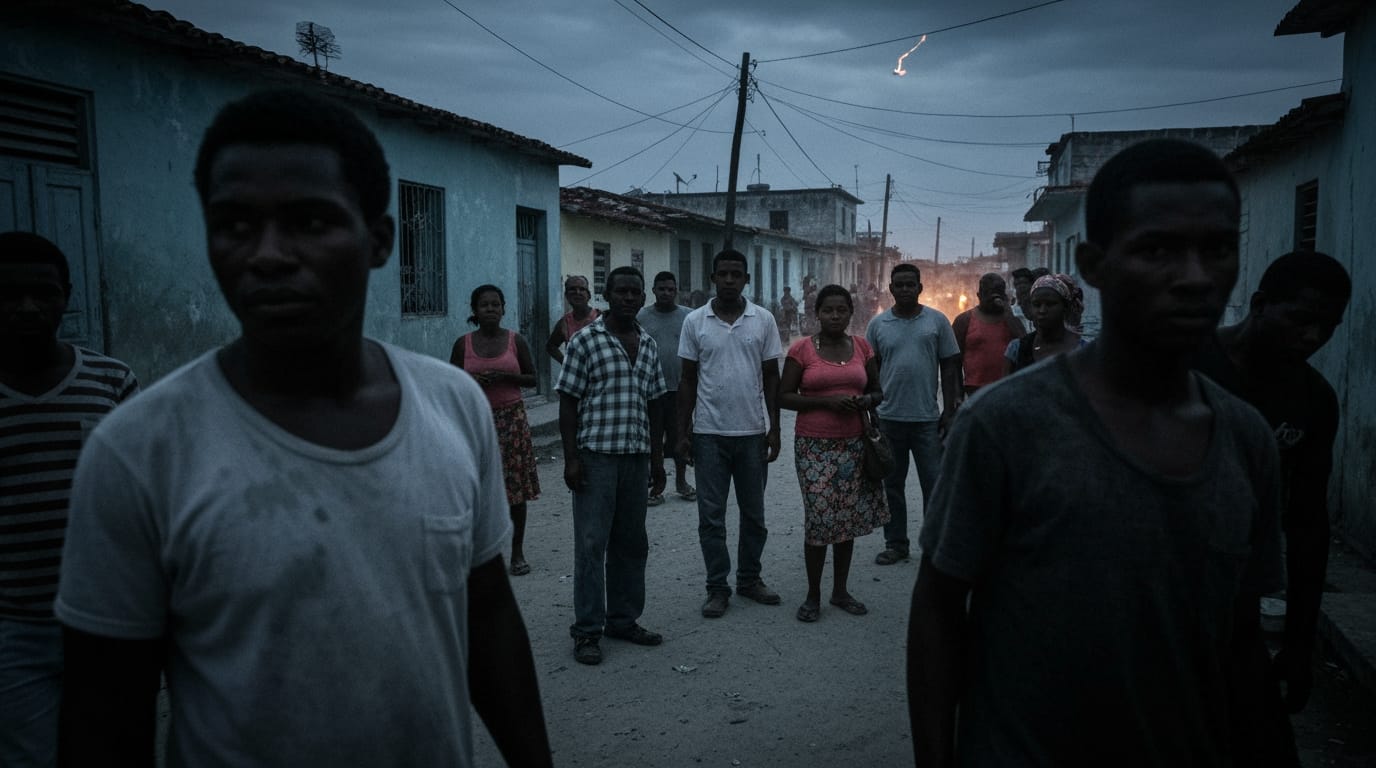
HAVANA – Cuba's national power grid has entered a critical state, with the nation reportedly exhausting its reserves of diesel and fuel oil, leading to unprecedented blackouts across the island. The severe energy crisis, which has seen parts of Havana endure power outages for up to 22 hours daily, is directly attributed by Cuban officials to a tightening U.S. energy blockade that has curtailed vital fuel shipments. As the prolonged darkness deepens, public frustration has boiled over into rare protests in the capital, highlighting the acute humanitarian and economic toll on the Cuban populace.
The current energy collapse represents the worst power crisis in decades for Cuba, a country already grappling with chronic shortages of food and medicine. Energy and Mines Minister Vicente de la O Levy confirmed that the country has "absolutely no fuel (oil), and absolutely no diesel," forcing the grid to operate solely on limited domestic crude oil, natural gas, and an unstable renewable energy infrastructure. This dire situation is rapidly escalating into a humanitarian emergency, impacting nearly 10 million people across the Caribbean nation.
The Unprecedented Blackout Crisis Gripping the Island
The Cuban energy grid's vulnerability has been starkly exposed by the current fuel scarcity. With no remaining reserves of diesel or fuel oil, the system has been pushed to its breaking point. While Cuba has made efforts to incorporate renewable energy, installing approximately 1,300 megawatts of solar power over the past two years, grid instability significantly reduces the effective utilization of this capacity. This reliance on an antiquated and now critically under-fueled system has resulted in rolling blackouts that have intensified dramatically, particularly in Havana. Residents report enduring outages for 20 to 22 hours a day, disrupting every aspect of daily life.
The widespread and prolonged power cuts have not only crippled essential services but have also ignited public anger. Hundreds of residents in Havana have taken to the streets, banging pots, blocking roads, and demanding electricity, marking some of the most visible public demonstrations against the government in recent times. These protests underscore the mounting pressure on a population already fatigued by persistent shortages and economic hardships, further exacerbated by the energy crisis. The immediate impacts extend beyond mere inconvenience, affecting food preservation, access to clean water, and the overall quality of life for millions.
The Weight of U.S. Sanctions and the Fuel Blockade
Cuban authorities are unequivocal in their assessment that U.S. restrictions on fuel shipments are the primary cause of the current energy catastrophe. The Trump administration's January 2026 executive order imposed a fuel embargo and threatened tariffs on any country supplying oil to Cuba, a policy that has significantly curtailed the flow of vital energy resources to the island. This measure effectively deterred traditional suppliers, with countries like Mexico and Venezuela, once key providers, ceasing fuel deliveries to Cuba following the U.S. directive.
The impact of these sanctions has been profound. Since December, only one Russian-flagged tanker, the Anatoly Kolodkin, has managed to deliver crude oil to Cuba, providing only temporary relief in April. The U.S. blockade on fuel imports has now entered its fourth month, effectively strangling the island's ability to power its infrastructure. The United Nations has publicly condemned the fuel blockade, asserting that it is "unlawful" and obstructs the Cuban people's fundamental rights to development, food, education, health, and water and sanitation. Furthermore, global oil and transportation prices, partially influenced by ongoing international conflicts, have added another layer of complexity to Cuba's desperate search for fuel imports, making any potential transactions more difficult and costly. The current administration's stance has continued the rigorous approach initiated under the previous administration, marking a departure from a period of renewed U.S.-Cuba relations.
A Nation Under Strain: Humanitarian and Economic Fallout
The ramifications of the fuel shortage and the resulting blackouts are permeating every facet of Cuban society, inflicting a severe humanitarian and economic toll. Daily life has been severely disrupted, with the lack of consistent electricity directly impacting households, schools, and hospitals. The inability to refrigerate food contributes to existing food shortages, threatening public health. Moreover, reports indicate a significant decline in public sanitation, with halted rubbish collection leading to an "epidemic of flies, rats, waste and foul odours," raising serious health concerns across communities.
Beyond immediate discomfort, the energy crisis has broader economic implications. Cuban President Miguel Díaz-Canel previously stated that U.S. sanctions cost the country over $7.5 billion between March 2024 and February 2025, emphasizing the significant financial strain. The current fuel blockade compounds these existing pressures, impeding economic activity, public services, and the daily functions necessary for a nation of 10 million people. The widespread exhaustion among residents, forced to contend with oppressive heat and darkness for extended periods, underscores the deeply personal impact of this geopolitical standoff.
Cuba's Plea and International Scrutiny
In response to the escalating crisis, the Cuban government has publicly appealed for assistance, with Energy and Mines Minister Vicente de la O Levy stating that "Cuba is open to anyone that wants to sell us fuel." Despite the severe constraints imposed by U.S. sanctions and rising global prices, Cuban officials maintain that negotiations to import fuel are ongoing. The government has also implemented emergency measures, including shorter workweeks, reduced school days, limited inter-provincial transport, and fuel rationing for essential services, in an attempt to conserve what little energy resources remain.
The international community continues to observe the unfolding situation with growing concern. The United Nations' explicit criticism of the U.S. fuel blockade underscores the humanitarian dimensions of the sanctions policy. While the U.S. maintains that its sanctions aim to pressure the Cuban government towards democratic reforms, critics argue that these measures disproportionately harm the civilian population, exacerbating an already fragile economic situation and leading to a severe humanitarian crisis.
An Uncertain Future Amidst Mounting Pressure
Cuba finds itself at a critical juncture, navigating its worst energy crisis in decades. The complete depletion of diesel and fuel oil reserves, driven largely by the tightening grip of U.S. sanctions, has plunged the island into widespread darkness, severely disrupting daily life and sparking public unrest. The crisis represents a complex interplay of geopolitical tensions, historical grievances, and profound human suffering. As the Cuban government scrambles to secure desperately needed fuel and its citizens endure prolonged blackouts, the immediate future remains uncertain. The humanitarian consequences of the ongoing energy blockade continue to mount, underscoring the urgent need for a resolution that addresses both the geopolitical considerations and the severe impact on the Cuban people.


