New Ebola Outbreak Confirmed in DR Congo's Ituri Province, African Health Agency Warns of Regional Spread
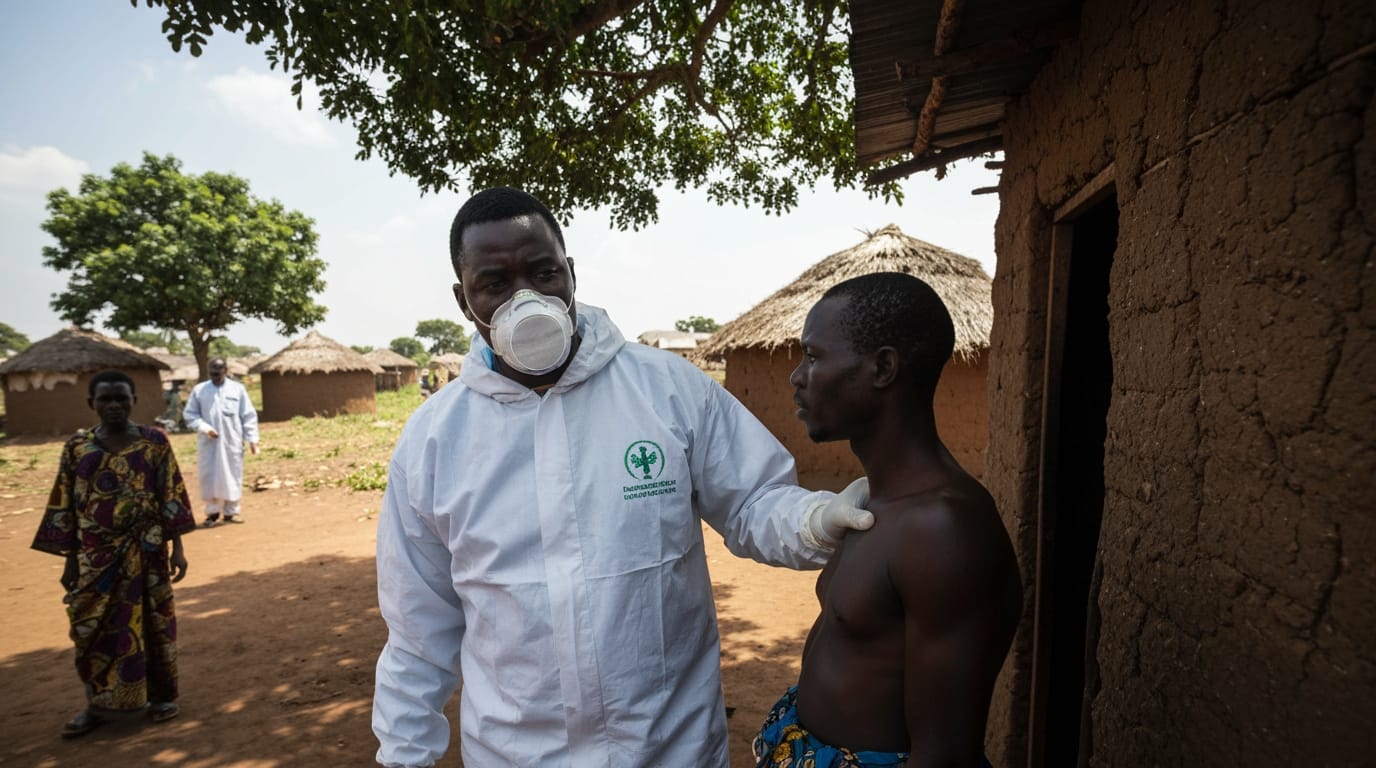
KINSHASA, DR Congo – May 15, 2026 – The Democratic Republic of Congo (DRC) is grappling with a new outbreak of the deadly Ebola virus, confirmed today by the Africa Centres for Disease Control and Prevention (Africa CDC) in the eastern province of Ituri. The announcement has triggered urgent regional coordination efforts, as health officials warn of a high risk of broader transmission due to population movement, ongoing insecurity, and the proximity to neighboring countries.
Emergence in Ituri: Initial Scope and Viral Strain Identification
The Africa CDC officially confirmed the Ebola Virus Disease (EVD) outbreak on Friday, May 15, 2026, following consultations with the DRC's Ministry of Health and National Public Health Institute. Preliminary laboratory results from the Institut National de Recherche Biomédicale (INRB) indicated the presence of the Ebola virus in 13 out of 20 tested samples. Significantly, the initial findings suggest a non-Zaire ebolavirus strain, with further sequencing underway to fully characterize it.
As of the latest update, approximately 246 suspected cases and 65 deaths have been reported, primarily concentrated in the Mongwalu and Rwampara health zones. Four of these fatalities have been among laboratory-confirmed cases, with additional suspected cases emerging in Bunia, the provincial capital, awaiting confirmation. The confirmed presence in these areas, including the urban center of Bunia and the mining-intensive region of Mongwalu, raises particular concern for rapid dissemination.
A Nation Accustomed to the Fight: DRC's Ebola History
This latest resurgence marks the 17th Ebola outbreak in the Democratic Republic of Congo since the virus was first identified in the country in 1976. The DRC has a long and challenging history with EVD, experiencing frequent outbreaks that test its already fragile healthcare infrastructure. Just months prior, an Ebola outbreak in Kasai Province was declared over on October 19, 2025, after accounting for 64 cases. In 2022, another outbreak occurred in Equateur Province.
Perhaps the most devastating in recent memory was the 2018-2020 outbreak in eastern Congo, which claimed the lives of more than 2,280 people, becoming the second-largest Ebola outbreak in recorded history. These repeated crises highlight the persistent threat of zoonotic spillover from animal reservoirs and the critical need for robust surveillance and rapid response mechanisms. The ongoing presence of other public health emergencies, including Mpox, cholera, and measles, further strains the nation's capacity to manage concurrent health crises.
Urgent Regional Response and Mounting Challenges
In response to the confirmed outbreak, the Africa CDC immediately convened an urgent high-level coordination meeting on Friday, May 15, 2026. This crucial gathering brought together health authorities from the DRC, Uganda, and South Sudan, alongside key international partners including the World Health Organization (WHO), UNICEF, FAO, the United States CDC, and Médecins Sans Frontières. The primary objective is to reinforce cross-border surveillance, preparedness, and response efforts to contain the virus.
The fight against Ebola in Ituri is compounded by several significant challenges. Intense population movement, particularly mining-related mobility in Mongwalu, and the urban context of Bunia and Rwampara, heighten the risk of rapid spread. Furthermore, chronic insecurity in the affected areas, fueled by armed groups, poses substantial hurdles to response teams, often disrupting contact tracing and vaccination efforts. Gaps in contact listing and ongoing challenges with infection prevention and control further complicate the containment strategy. The proximity of Ituri to the borders of Uganda and South Sudan also necessitates strong regional coordination to prevent international transmission.
Human Elements and the Path Forward
Beyond the statistics, each case represents a human story of suffering and fear. The Ebola virus, transmitted through direct contact with bodily fluids, causes severe, often fatal illness, manifesting with symptoms like fever, fatigue, muscle pain, headache, vomiting, diarrhea, and unexplained bleeding. The high fatality rate, averaging around 50%, underscores the disease's devastating impact on individuals and communities.
Past outbreaks in the DRC have also revealed challenges related to community trust and engagement. Rumors, denial, and even acts of violence against healthcare workers have historically hindered response efforts. Building strong relationships with affected communities and ensuring clear, consistent risk communication are therefore paramount to the success of the current intervention.
The Africa CDC, working with national authorities and partners, is preparing to support the response across multiple pillars. This includes strengthening coordination through emergency operations mechanisms, enhancing digital surveillance and data management, bolstering cross-border preparedness, and reinforcing laboratory capabilities. Efforts will also focus on infection prevention and control, risk communication, community engagement, and ensuring safe and dignified burials. The hope is that lessons learned from previous outbreaks, coupled with international collaboration and community involvement, will enable a swift and effective containment of this latest threat.
Conclusion
The confirmation of a new Ebola outbreak in the Democratic Republic of Congo's Ituri province presents a formidable public health challenge, demanding an immediate and coordinated response. While the DRC has extensive experience combating this deadly virus, the complex interplay of population movements, insecurity, and logistical difficulties creates a high-risk environment for its spread. The swift action by the Africa CDC and international partners to convene an urgent regional meeting underscores the gravity of the situation and the commitment to controlling this outbreak. The coming weeks will be critical in determining the trajectory of this new threat, with the ultimate success hinging on robust surveillance, rapid intervention, and sustained community cooperation to prevent further loss of life and regional dissemination.