Cuba Plunges into Darkness: Sixth Nationwide Blackout of 2026 Deepens Energy Crisis

HAVANA – Cuba was plunged into darkness for the sixth time this year as its National Electroenergetic System (SEN) suffered a total collapse on Sunday, August 2, 2026, at 10:43 PM. The state-run Electric Union (UNE) confirmed the nationwide disconnection via social media, providing no immediate details on the cause but signaling a deepening crisis that has left millions of Cubans grappling with increasingly frequent and prolonged power outages. The latest failure follows a partial grid disconnection in the western region of the island just 24 hours prior, further exacerbating an already dire energy situation that has characterized 2026 as one of Cuba's most challenging periods for electricity supply.
The systemic failure of the power grid, which has become a recurring nightmare for residents across the island, did not come as a surprise to many. Deterioration in electricity supply had been accumulating throughout the week, with an estimated deficit reaching 2,042 megawatts (MW) on July 31. On July 29, the UNE projected a record deficit of 2,380 MW, with only 850 MW available against a demand of 3,200 MW. This latest blackout marks at least the sixth total system collapse in 2026, including three successive outages in July alone, underscoring the severe strain on the nation's fragile energy infrastructure.
A Grid on the Brink: Decades of Deterioration
Cuba's relentless cycle of blackouts stems from a confluence of long-standing issues, primarily rooted in an aging and underfunded energy infrastructure. The island's 16 thermoelectric plants, designed for operational lifespans of approximately 100,000 hours, have in many cases far exceeded this limit. As of early 2026, a significant number of these critical facilities were offline due to breakdowns and a chronic lack of maintenance. The plants that remain operational often run at an average of just 34% of their rated capacity. While Cuba's total installed generation capacity stands at approximately 3,000 MW, effective output rarely surpasses 2,000 MW, set against a maximum demand that can reach 3,000 to 3,500 MW. This structural deficit means the country faces a power shortfall of 1,500 MW or more on a typical day, a figure that can climb to 2,000 MW when major plants fail.
Decades of insufficient investment in the modernization and maintenance of these plants, coupled with a scarcity of spare parts and modern equipment, have rendered the system increasingly vulnerable. Experts point to these structural issues as fundamental drivers of the crisis, which goes beyond mere technical failures to reflect a deeper economic and resource-allocation challenge. The problem is not simply a lack of capacity but a system operating with inadequate maintenance, unreliable fuel supplies, and an increasingly fragile grid where any disruption can trigger a cascading collapse.
The Fuel Conundrum and Geopolitical Pressures
Compounding the infrastructure crisis is a critical shortage of fuel, predominantly oil, essential for powering Cuba's thermal plants. Oil imports plummeted to effectively zero in January 2026, marking a first since 2015, following the curtailment of Venezuelan shipments by the U.S. and the suspension of planned exports from Mexico. While Russian shipments continue, they cover only a fraction of the total consumption needs. Cuban authorities frequently attribute these fuel shortages and the broader energy crisis to the economic impact of U.S. sanctions, arguing that the decades-old embargo severely restricts the country's ability to import necessary fuel and maintain its critical infrastructure.
This dependence on external fuel sources makes Cuba highly susceptible to global supply disruptions and price volatility. Without a diversified energy mix and reliable access to fuel, the aging power plants struggle to meet demand, leading to the severe power deficits currently experienced across the island. The situation underscores the intricate interplay of geopolitical factors with internal infrastructure vulnerabilities, each exacerbating the other to create an unprecedented energy crisis.
Daily Life Interrupted: The Human and Economic Toll
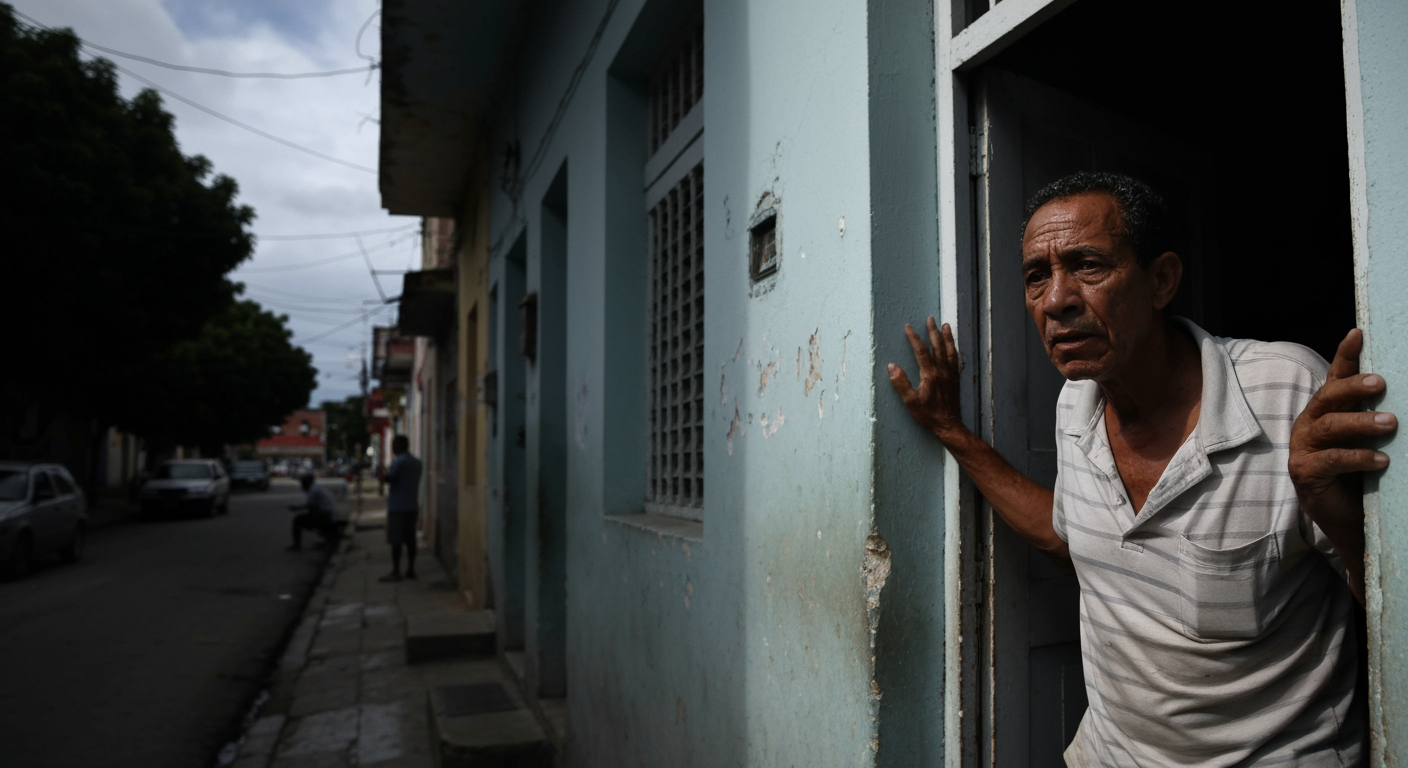
The profound impact of these blackouts on daily life in Cuba cannot be overstated. Millions of Cubans routinely endure 18 or more hours without electricity, disrupting every facet of their existence. The absence of power means water shortages, as electric pumps cease to function. Refrigeration becomes unreliable, jeopardizing the storage of food and vital medicines in a tropical climate. Communication and internet services also falter during these extended outages, further isolating communities. Many residents resort to bottled gas or even wood fires for cooking, seeking respite from the intense summer heat by gathering outside, only to be met with groans of resignation as the lights inevitably fail.
Economically, the blackouts cripple businesses, particularly small enterprises that rely on a stable power supply and often lack backup generators. Productive hours are lost, and the ability to operate efficiently is severely hampered. Even the vital tourism industry, a key source of revenue for the island, struggles as hotels and restaurants strive to maintain services amidst constant interruptions. The recurring failures have also fueled growing public dissatisfaction across the island, as citizens face increasing hardship and uncertainty.
Glimmers of Hope, Persistent Challenges
In an effort to alleviate the crisis, Cuba has made strides in expanding its renewable energy capacity, with a stated goal of achieving 24% renewable electricity by 2030, a significant increase from the current less than 5%. As of early 2026, 34 solar parks were synchronized with the national grid, contributing approximately 560 MW at peak capacity. However, while solar power assists with daytime demand, its impact on nighttime load—when residential demand is highest—is limited without large-scale battery storage, which remains largely unavailable. The government estimates that a full energy transition would require an $8-10 billion investment over the next decade, a sum far exceeding current commitments.
Cuba has also sought international assistance, with Russia committing to modernize three existing oil-fired power plants and construct a new 200 MW facility, though detailed timelines and progress reports are less documented. Stopgap measures, such as leasing floating power plants or importing small generators, provide temporary relief but are often costly and unsustainable, highlighting the state's limited options in addressing the crisis.
The path forward for Cuba's energy sector remains fraught with significant challenges. The systemic nature of the crisis—entangled with aging infrastructure, fuel dependency, and geopolitical constraints—demands comprehensive and sustained solutions. Until these fundamental issues are addressed through significant investment, modernization, and diversification, the prospect of an island consistently plunged into darkness will likely remain a harsh reality for its population.
Related Articles

Ratko Mladić, "Butcher of Bosnia" and Convicted War Criminal, Dies at 84
THE HAGUE, Netherlands – Ratko Mladić, the former Bosnian Serb military commander known as the "Butcher of Bosnia" and convicted of genocide, war crimes, and crimes against humanity, has died at the age of 84. Serbian...


Long-Awaited 9/11 Mastermind Trial Set for 2028, Decades After Attacks
GUANTANAMO BAY, Cuba – Nearly a quarter-century after the devastating terror attacks of September 11, 2001, a military judge has finally set a trial date for Khalid Sheikh Mohammed, the alleged mastermind behind the...