Cuba's Premier Cigar Fair Postponed Indefinitely Amid Escalating U.S. Oil Blockade
HAVANA, Cuba – Cuba's globally renowned Habanos Festival, a cornerstone event for the international cigar industry, has been postponed indefinitely, organizers announced, citing severe fuel shortages and widespread blackouts plaguing the island nation. The decision directly links the postponement to the intensifying economic, commercial, and financial blockade imposed by the United States, particularly its impact on Cuba's access to vital oil supplies. The abrupt halt of an event celebrating one of Cuba's most iconic exports underscores the escalating humanitarian and economic crisis gripping the country.
Festival's Stalled Celebration Amidst Economic Strife
Habanos S.A., the state-owned tobacco monopoly responsible for the festival, confirmed the postponement of the 26th annual event, originally slated for February 23-26, 2026. The company stated its decision was made to "preserve its high standard of quality" and acknowledged the "complex economic situation facing the country." This year's festival held particular significance, as it was set to commemorate the 60th anniversary of the revered Cohiba cigar brand. However, the deteriorating conditions, marked by persistent power outages and critical fuel scarcity, rendered the logistical demands of such an international gathering untenable. This marks a significant disruption for an event that returned triumphantly in 2023 after cancellations in 2021 and 2022 due to the COVID-19 pandemic.
U.S. Sanctions Fuel a Deepening Energy Crisis
The immediate cause of the festival's postponement is Cuba's acute energy crisis, a direct consequence of the tightened U.S. oil blockade. Cuba, which imports approximately 60% of its energy supply, has historically relied on Venezuela and Mexico for a substantial portion of its oil. However, the situation dramatically worsened in January when U.S. military action in Venezuela led to the removal of its then-president, Nicolas Maduro, resulting in the cancellation of Venezuelan oil shipments to Cuba. Further exacerbating the crisis, U.S. President Donald Trump, in late January, threatened to impose tariffs on any country that continued to sell oil to Cuba, leading Mexico to suspend its shipments by mid-February.
This concerted pressure has plunged Cuba into its most severe fuel shortage and power blackouts in years. Reports indicate the island is facing an extreme energy deficit, leading to rolling blackouts that affect daily life across all 11 million inhabitants. Aviation has been particularly hard hit, with Cuban authorities notifying international airlines in early February that the country would be unable to provide jet fuel for a month. This measure has prompted several Canadian airlines to suspend service to the island and led the British government to advise against all but essential travel to Cuba due to the infrastructure disruptions.
Broad Humanitarian and Economic Repercussions
The impact of the fuel crisis extends far beyond the cancellation of high-profile events. Essential services across the island are under severe strain. Hospitals have been forced to cancel surgeries and outpatient transfers, with critical medical supplies such as painkillers, gauze, and antibiotics becoming scarce. Food distribution is hampered, contributing to broader supply shortages. The United Nations has expressed "extreme worry" regarding Cuba's deepening socio-economic crisis, warning that the humanitarian situation could "worsen, and if not collapse," if the island's oil needs remain unmet. The UN human rights office has also criticized the "broad and indiscriminate impact" of unilateral sectoral measures on the Cuban population.
In response to the dire situation, the Cuban government has implemented emergency measures, including widespread fuel rationing, scaled-back public services, shorter workweeks for state companies, and temporary adjustments to healthcare, education, transport, and tourism operations to conserve severely limited energy supplies. The U.S. embargo against Cuba has been in place for decades, with a significant economic toll estimated by the UN in 2023 to be in the "trillions of dollars" since its inception. The current crisis marks a particularly acute period of hardship, exacerbating an economy already struggling with dwindling tourism revenues post-pandemic and recovery efforts from natural disasters like Hurricane Melissa last year.
The Habanos Festival: A Luxury Contrasting with Hardship
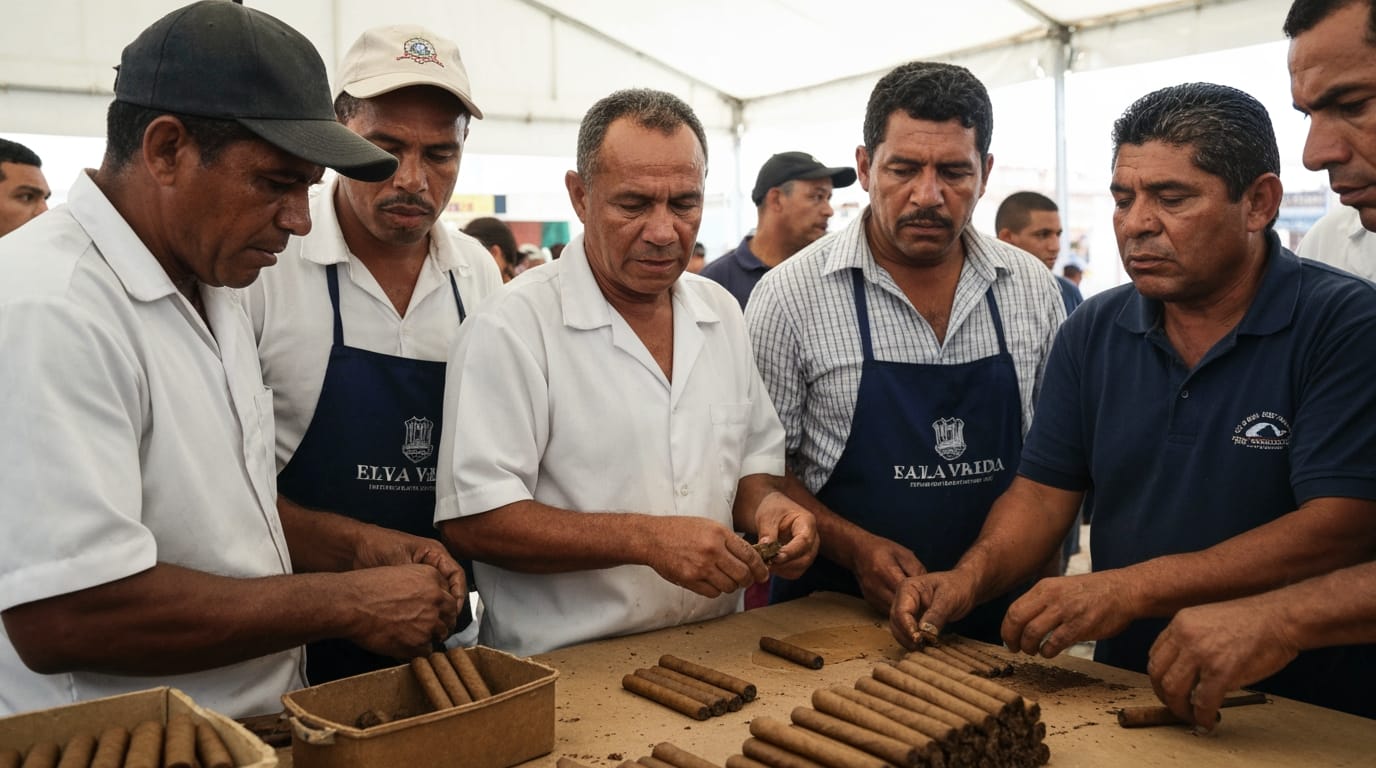
The postponement of the Habanos Festival represents not only a logistical challenge but also a symbolic blow. The festival is a crucial event for Cuba's economy, attracting thousands of cigar aficionados, distributors, and investors from around the globe. Attendees typically participate in plantation tours, master classes, and high-stakes auctions for rare, hand-rolled cigars, which generated $18 million last year alone. Habanos S.A. reported record sales of $827 million in 2025, demonstrating the significant revenue generated by the Cuban cigar industry. The festival also plays a vital role in Cuba's MICE (Meetings, Incentives, Conferences, and Exhibitions) tourism strategy, channeling much-needed revenue into accommodations, transportation, and local services.
However, the image of luxury and international commerce projected by the Habanos Festival stands in stark contrast to the daily struggles of ordinary Cubans. Critics often point to the opulence of the event amidst the severe economic crisis, blackouts, and shortages of basic goods faced by the general population. While Cuban cigars remain a prestigious export, representing over a quarter of the country's total export value, the industry itself, and the broader Cuban economy, are deeply intertwined with the prevailing geopolitical tensions.
The indefinite postponement of the Habanos Festival is a stark indicator of the deepening crisis in Cuba, directly linked to the punitive measures of the U.S. oil blockade. As the island grapples with a severe energy deficit, impacting everything from healthcare to aviation, the absence of this celebrated event serves as a poignant reminder of the pervasive consequences of geopolitical tensions on a nation already enduring significant hardship. A new date for the festival remains unannounced, leaving the future of this cultural and economic showcase, much like the broader situation in Cuba, shrouded in uncertainty.