Nigeria's Argungu Fishing Festival Resurges, Symbolizing Renewal and Unity
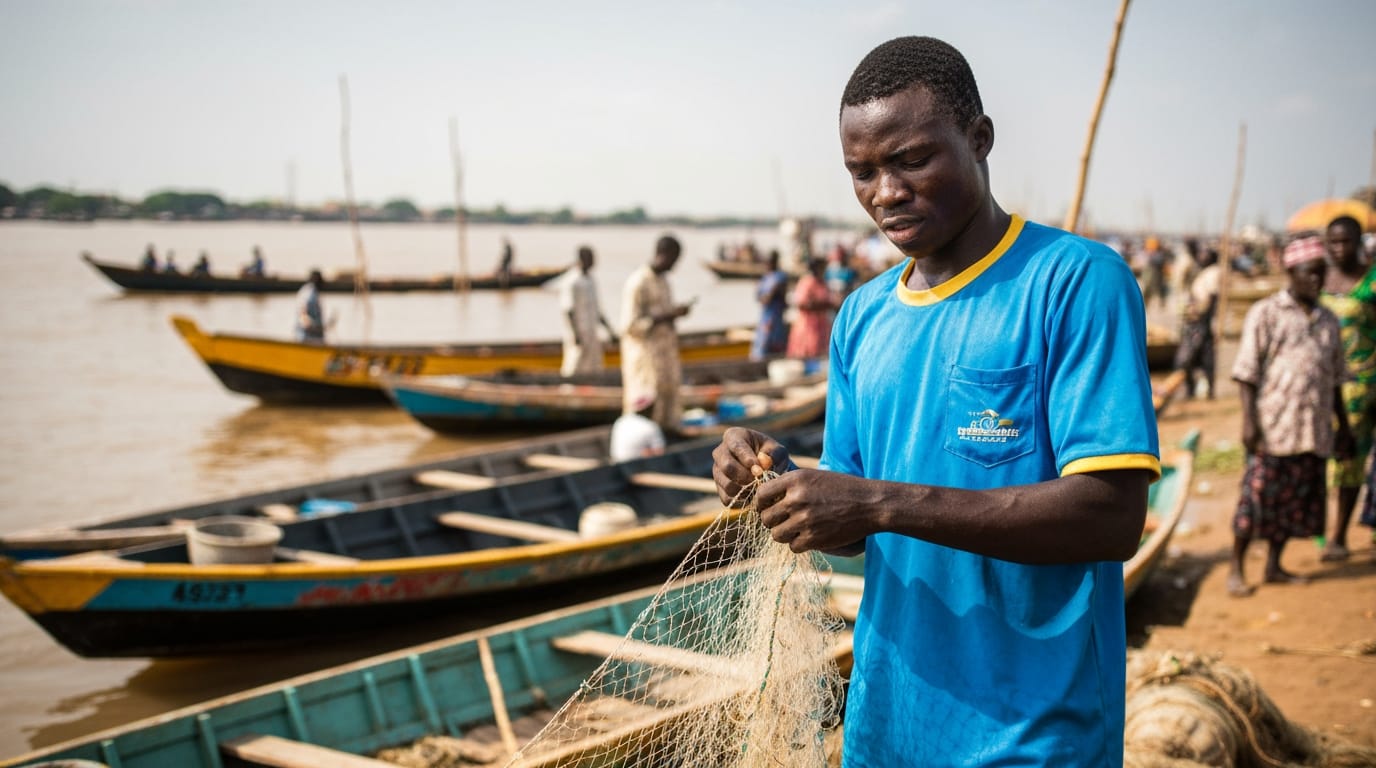
ARGUNGU, KEBBI STATE – After a six-year hiatus, Nigeria's iconic Argungu International Fishing and Cultural Festival has triumphantly returned, drawing tens of thousands of participants and spectators to the historic town of Argungu in Kebbi State. The resurgence of this revered four-day event, celebrated from February 11 to 14, 2026, marks not only a renewed commitment to cultural heritage but also signals a significant stride towards peace and economic revitalization in a region previously challenged by insecurity.
The festival, deeply woven into the fabric of Nigerian identity, culminates in a spectacular bare-hand fishing competition that transforms the Matan Fada River into a scene of vibrant activity. This year's grand return, the 61st edition, saw President Bola Tinubu attending the finale, underscoring the federal government's dedication to supporting tourism, agriculture, and rural development, while celebrating the return of stability to the North-West.
A Legacy Forged in Peace and Tradition
The Argungu Fishing Festival boasts a rich history dating back to 1934, when it was established to commemorate the cessation of centuries-old hostilities between the Sokoto Caliphate and the Kebbi Kingdom. Initially conceived as a gesture of peace and unity, the festival quickly evolved into an annual celebration of life, culture, and communal harmony. Annually held between February and March, it traditionally marks the end of the agricultural season and the beginning of the fishing season.
Central to the festival's mystique are the ancient traditions and rituals meticulously observed. Prior to the main fishing event, the "Sarkin Ruwa," the hereditary custodian of the Matan Fada River, performs sacrifices to gain the river oracle's permission and ensures the river's safety, dispelling crocodiles and inviting fish into the waters. This symbolic act highlights the profound connection between the community and its natural environment, emphasizing the festival's role in the conservation of natural resources. In 2016, the festival received international recognition, being inscribed on the UNESCO Representative List of the Intangible Cultural Heritage of Humanity, affirming its global cultural significance.
Navigating Through Challenges: The Hiatus and Revival
The Argungu Fishing Festival has faced significant disruptions throughout its history, most notably extended suspensions that tested the resilience of the local community. The festival experienced a decade-long halt, resuming in 2020 after its last occurrence in 2009. This prolonged interruption was primarily attributed to security concerns, including threats from Boko Haram militants and general banditry in the northern region, alongside infrastructural decay and concerns over low water levels in the Matan Fada River. The 2020 revival was hailed as a testament to progress in combating terrorism and a symbol of national unity.
However, the festival was again put on hold until its most recent return in February 2026. This latest six-year suspension further underscored the complex challenges of maintaining such a large-scale cultural event amidst ongoing regional instability. The decision to reactivate the festival in 2026 reflects determined efforts by the Kebbi State Government, led by Governor Nasir Idris, and the federal government to ensure security and to leverage cultural assets for economic growth and communal healing. President Tinubu's presence at the recent event explicitly acknowledged the improved security landscape, stating that the festival served as a "testament to the return of stability and normalcy."
The Grand Aquatic Spectacle and Broader Festivities
The heart of the Argungu Festival is the main fishing competition, where thousands of fishermen, equipped with traditional hand nets and large calabash gourds, surge into the Matan Fada River at the sound of a gun. This year, over 50,000 fishermen, including participants from neighboring countries, competed for the coveted prize. Abubakar Usman from Maiyama Local Government Area emerged victorious, skillfully catching a 59-kilogram (130-pound) croaker fish, securing the top award which typically includes substantial cash prizes, new vehicles, and other valuable items. The excitement of the competition is palpable, with drums beating traditional Kebbawa rhythms and women providing encouragement through songs and dances, even though they do not participate in the fishing itself.
Beyond the central fishing contest, the Argungu International Fishing and Cultural Festival is a multi-faceted event, encompassing a vibrant array of cultural activities. These include enthralling canoe races, displays of traditional wrestling and boxing, wild duck catching, diving competitions, and spirited musical performances. Agricultural showcases, craft exhibitions, archery competitions, and even camel and donkey races further enrich the four-day program, transforming Argungu into a hub of cultural exchange and celebration.
Economic Impetus and Future Prospects
The return of the Argungu Festival carries significant economic implications for Kebbi State and Nigeria as a whole. The influx of tens of thousands of local and international tourists generates substantial revenue, boosting local businesses, hospitality services, and providing income for numerous participants and vendors. Local fishermen sell their catches, supplementing their livelihoods, and the wider festival activities create temporary employment and entrepreneurial opportunities, contributing to poverty alleviation in the region.
Governor Nasir Idris of Kebbi State has emphasized that the festival's revival is a key component of his administration's "Renewed Agenda" aimed at diversifying the state's economy, creating employment, and boosting internally generated revenue through culture and investment-led tourism. The federal government has also pledged continued support, recognizing the festival's potential to drive tourism and promote the nation's rich cultural heritage on a global stage. Efforts are underway to strengthen the tourism sector, including improving security, engaging investors, and exploring complementary pre and post-festival events to create a more sustainable, year-round tourism destination.
A Symbol of Enduring Spirit
The Argungu International Fishing and Cultural Festival stands as a powerful emblem of Nigeria's enduring cultural spirit and its capacity for renewal. Its recent return after a six-year break not only rejuvenates a cherished tradition but also symbolizes a broader narrative of resilience, unity, and hope. As the jubilant echoes of drums and cheers fade from the Matan Fada River, the festival leaves behind a renewed sense of community, a bolstered local economy, and a strong message that cultural heritage, when protected and celebrated, can serve as a potent force for peace and progress in the nation.


