Cultivating Resilience: Innovating Food Systems for a Hotter Planet
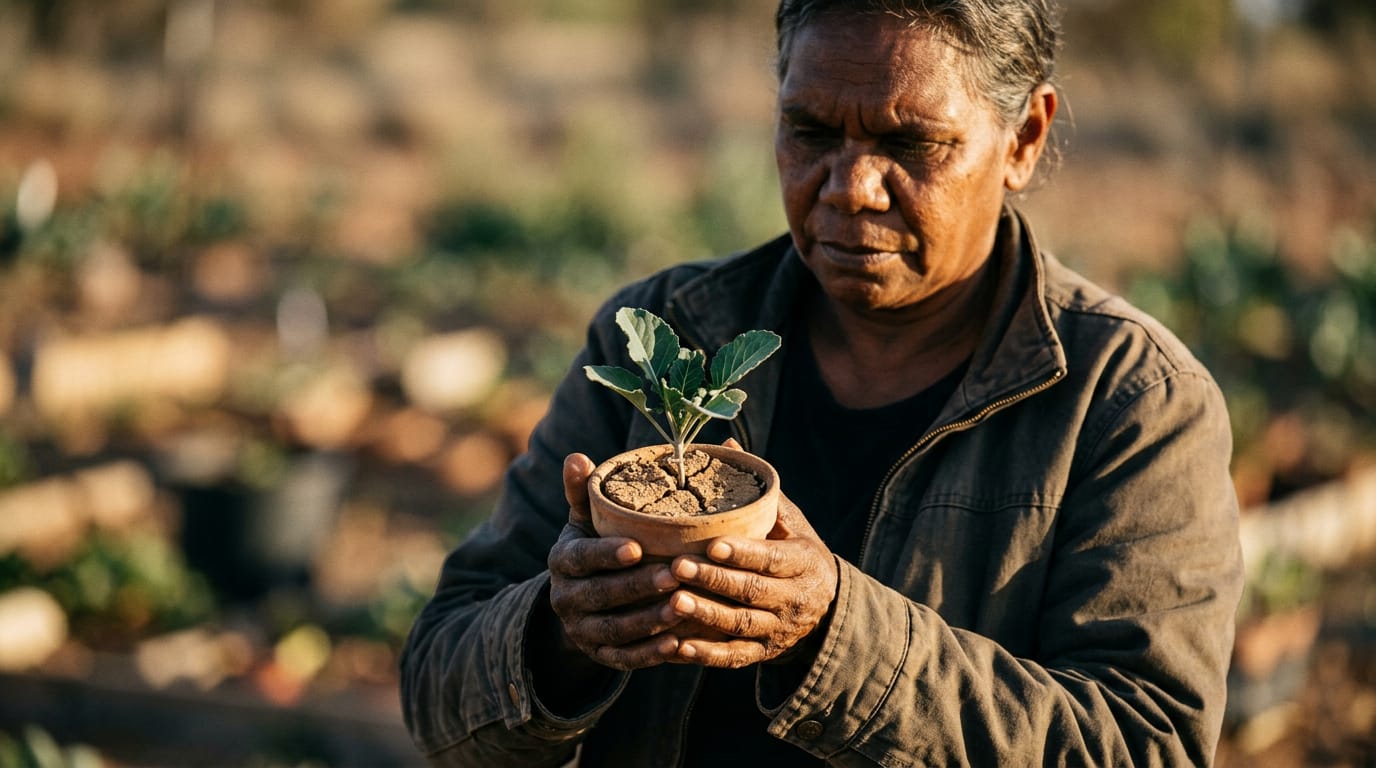
The escalating climate crisis is profoundly reshaping global agriculture, compelling scientists and farmers alike to pioneer innovative strategies for food production in an increasingly challenging environment. As temperatures rise and weather patterns grow more erratic, the future of food security hinges on developing crops and farming methods capable of thriving in a hotter, more unpredictable world.
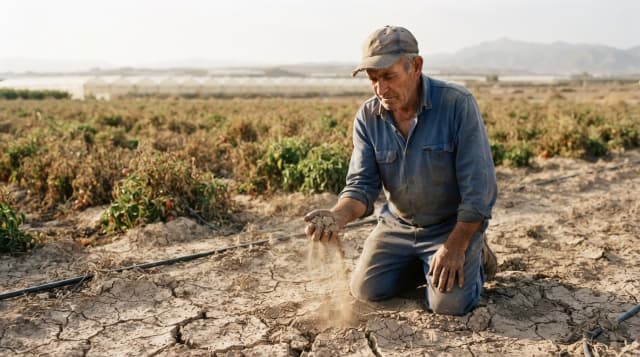
Global food systems face unprecedented risks from climate change, with rising temperatures and altered rainfall patterns threatening to significantly diminish crop yields. A recent study indicated that every additional degree Celsius of global warming could reduce the world's ability to produce food by 120 calories per person per day, equivalent to a 4.4% drop in current daily consumption. This alarming projection underscores the urgency of developing robust, climate-resilient food sources. Beyond direct impacts on yields, climate change exacerbates other agricultural challenges, including increased instances of pests and diseases, soil degradation, and water scarcity. The economic implications are substantial, with potential losses in agricultural profits and rising production costs for farmers.
Engineering Tomorrow's Harvest: The Science of Climate-Resilient Crops
At the forefront of adaptation efforts is the engineering of crops designed to withstand harsh new realities. Genetic modification and advanced breeding techniques are proving instrumental in accelerating the development of plants that can tolerate drought, extreme heat, and increased soil salinity.
Drought Tolerance: Researchers are developing strains of staple crops like rice, maize, and wheat capable of enduring prolonged dry spells. This involves enhancing traits such as deeper root systems for better water access, more efficient water-use mechanisms, and the ability to activate stress-response pathways under arid conditions. Scientists are employing precise biotechnology tools like CRISPR/Cas9 gene editing to improve drought resistance in plants like Arabidopsis, tomato, and wheat, and are also modifying plant steroid signaling to make drought-resistant sorghum without compromising yield. For example, specific genes responsible for drought resistance are being identified and inserted into more vulnerable crops, leading to varieties of drought-tolerant rice, maize, and wheat suitable for water-scarce regions.
Heat Tolerance: Beyond drought, crops are being engineered to resist the direct impact of extreme heat. Efforts focus on developing varieties that can maintain productivity even under soaring temperatures, a critical need as heatwaves become more frequent and intense. Warmer environments also create ideal conditions for bacterial growth, increasing the risk of foodborne illnesses, making robust crop resilience essential.
Salt Tolerance: Soil salinization, a growing problem exacerbated by climate change, sea-level rise, and the use of low-quality irrigation water, poses another significant threat to agriculture. Scientists are working to develop salt-tolerant crops, leveraging genetic insights into ion homeostasis, osmotic adjustment, and stress signaling pathways. While progress has been made in understanding the mechanisms of salinity tolerance, translating these advances into commercially viable crops remains a priority for plant breeders and researchers. Techniques like introducing genes that help plants compartmentalize sodium in vacuoles have shown promise in enhancing salt tolerance in rice.
Beyond Traditional Fields: Innovative Farming Approaches
While modifying crops is crucial, redesigning how and where food is grown offers additional pathways to resilience. Several innovative farming methods are gaining traction as solutions for a hotter world.
Precision Agriculture: This data-driven approach utilizes modern technologies to optimize farming efficiency and sustainability. By employing sensors, drones, satellite imagery, and GPS-guided systems, farmers can make informed decisions about irrigation, fertilization, planting, and pest control, reducing waste and enhancing resilience to extreme weather and droughts. Precision agriculture also aids in reducing greenhouse gas emissions by optimizing fuel use and minimizing the overapplication of fertilizers.
Vertical Farming and Hydroponics: These controlled-environment agriculture techniques offer protection from unpredictable weather, optimize resource use, and enable local food production. Vertical farms stack crops in layers, often indoors, using LED lighting and controlled conditions, significantly reducing land and water usage by up to 95% compared to traditional farming. Hydroponics, a method of growing plants in nutrient-rich water solutions without soil, allows for year-round production, higher yields, and improved access to fresh food in urban or arid areas. While initial costs and energy consumption can be high, these systems provide a stable, sustainable way to grow food close to consumers, minimizing transportation emissions and reducing reliance on pesticides.
Regenerative Agriculture: This holistic approach focuses on rebuilding soil health, increasing biodiversity, and improving ecosystem resilience. Practices such as cover cropping, no-till farming, crop rotation, agroforestry, and integrating livestock help retain moisture, sequester carbon, protect against erosion, and buffer crops from temperature extremes. These methods aim to work with nature to create more self-sustaining and climate-resilient farms.
The Role of Alternative Proteins
The shift towards alternative proteins, such as plant-based, microorganism-based, or animal cell-cultivated foods, represents another significant strategy for reducing the environmental footprint of food production. Conventional animal agriculture contributes substantially to greenhouse gas emissions and requires vast amounts of land and water. By diversifying protein sources, food systems can become more resilient to climate change and supply chain disruptions, while also offering climate and biodiversity benefits. Projections suggest that alternative proteins could constitute a significant portion of global protein consumption in the coming decades, easing pressure on traditional agricultural land.
Global Implications and the Road Ahead
The array of innovations in designing food for a hotter world carries profound global implications, particularly for food security in vulnerable regions. Climate change disproportionately affects developing countries, where communities often rely heavily on rain-fed agriculture and have fewer resources to adapt. Reduced crop yields and disruptions to food systems can lead to increased food prices and exacerbate existing hunger crises.
International collaboration is critical to research, develop, and deploy these solutions equitably. While genetic engineering offers powerful tools for adaptation, addressing public skepticism and regulatory challenges remains important. Balancing the immediate needs of food production with long-term environmental sustainability is a complex task. The ongoing research and implementation of climate-resilient crops, combined with advanced and sustainable farming practices, represent a concerted global effort to safeguard the world's food supply against the accelerating impacts of a changing climate. The journey toward a resilient food future will require continuous innovation, investment, and a collective commitment to fostering agricultural systems that can sustain a growing population on a warming planet.