Cyclone Ditwah Unleashes Catastrophe in Sri Lanka, Death Toll Surpasses 600
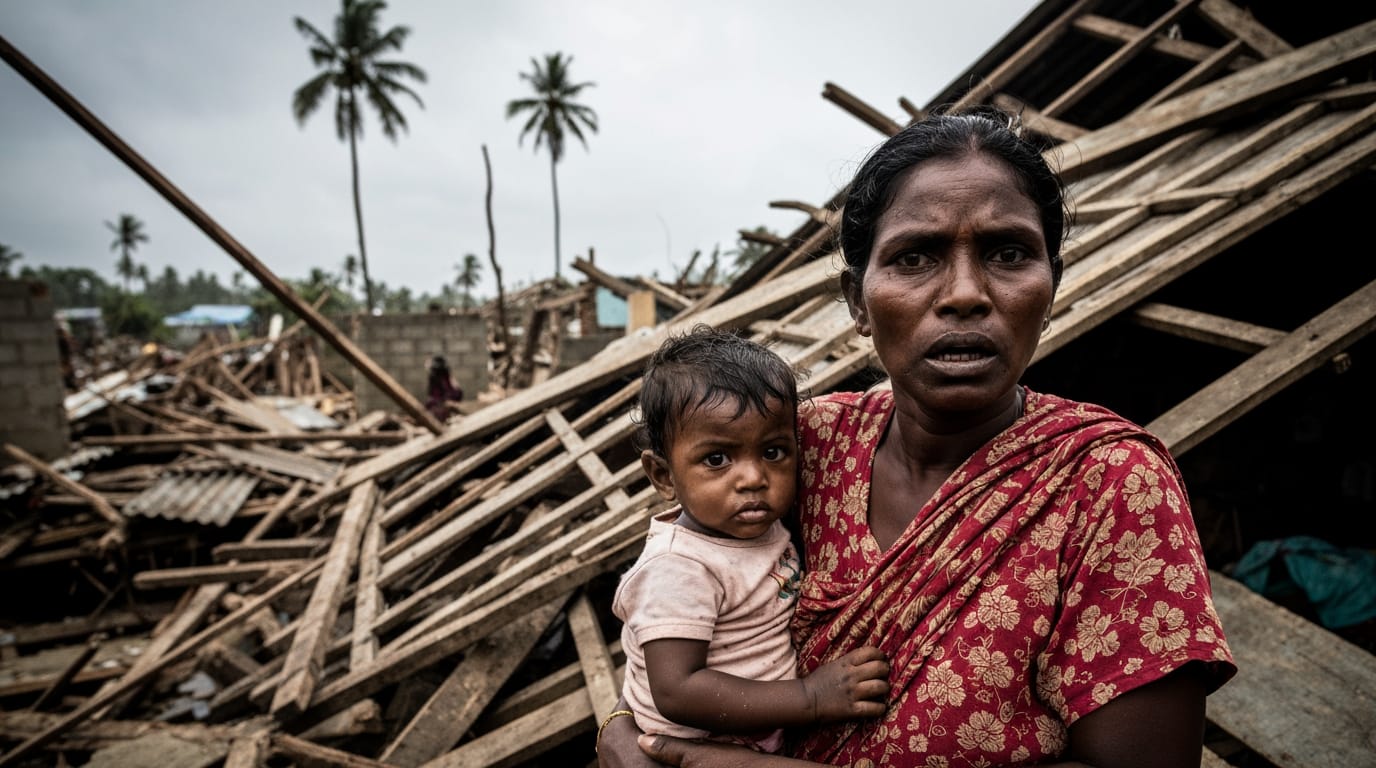
COLOMBO, Sri Lanka – Sri Lanka is reeling from the devastating impact of Cyclone Ditwah, which made landfall on November 28, triggering the worst floods the island nation has experienced in over two decades. The confirmed death toll has tragically climbed past 600, with hundreds more reported missing, as emergency services and humanitarian agencies battle widespread destruction, massive displacement, and ongoing challenges to reach affected communities. The cyclone, which has since weakened, left an unprecedented trail of damage across all 25 districts, submerging vast areas, destroying critical infrastructure, and plunging millions into crisis.
The Onslaught and Immediate Aftermath
Cyclone Ditwah first struck Sri Lanka's eastern coast as a cyclonic storm on November 28, rapidly intensifying and unleashing torrential rainfall across the island. The storm's slow movement allowed it to repeatedly drench the same regions for days, leading to unprecedented flooding that quickly overwhelmed rivers and drainage systems. Initial reports on November 28 indicated 56 fatalities, a number that drastically escalated as the full scale of the disaster became apparent. By November 30, the death toll had reached 212, with 218 people missing, and nearly a million people were already affected. The Kelani River, which flows through the capital region, reached critical flood levels, displacing tens of thousands and significantly hampering initial rescue operations.
Widespread Devastation and Mass Displacement
The impact of Cyclone Ditwah has been catastrophic, affecting over 1.6 million people across all 25 districts of Sri Lanka. Districts such as Puttalam, Colombo, Gampaha, Mannar, Trincomalee, and Kurunegala bore the brunt of the storm, accounting for a significant portion of the affected population. Beyond the immediate loss of life, the cyclone has obliterated homes and vital infrastructure. More than 45,700 homes were damaged or completely destroyed, forcing nearly 233,000 people to seek refuge in 1,441 government-run safety shelters. This figure, however, is likely an underestimate, as many displaced individuals may be unregistered or staying with relatives. Key roadways, including sections of the Colombo-Kandy road, were rendered impassable by floodwaters and debris, isolating communities and complicating humanitarian access. The disruption extended to the national power grid, communication networks, and the railway system, further crippling the country's ability to respond effectively.
Rising Toll and Persistent Challenges
As of December 5, the confirmed death toll from Cyclone Ditwah reached 607, with 214 people still reported missing, signaling one of the most severe natural disasters in Sri Lanka's history. The central hill country, particularly districts like Kandy, Badulla, Nuwara Eliya, and Matale, experienced the highest fatalities due to deadly landslides. The National Building Research Organisation issued fresh landslide warnings on December 5, as continued heavy rainfall heightened the risk of mountain slopes becoming unstable.
Clean water access remains a critical concern, with widespread damage to water treatment infrastructure posing a severe public health threat. Food insecurity is also mounting, as agricultural lands and supply chains have suffered extensive damage. The nation's health system, already fragile, is under immense pressure to cope with the influx of casualties and potential outbreaks of waterborne diseases. The ongoing monsoon season, which affects the eastern part of the country, combined with already nearing full capacity reservoirs, continues to elevate the risk of further flooding, delaying rescue efforts and humanitarian aid delivery.
A Nation Grapples with Recovery
In response to the crisis, the Sri Lankan government declared a nationwide emergency, deploying thousands of troops to assist with clean-up and rescue operations. The United Nations and other humanitarian partners activated emergency coordination systems, initiating rapid needs assessments and developing a Joint Response Plan to guide relief efforts and resource mobilization. International aid has begun to arrive, with nations like India providing assistance, including naval helicopters for rescue operations.
The human stories behind the statistics paint a grim picture. Residents like Denuwarage Kusumalatha from Kolonnawa, a low-lying area in Colombo, described scenes of unprecedented flooding, forcing them to evacuate to shelters. For many, like Jagath Senevirathne from Kandy, landslides tragically claimed entire families, leaving communities unrecognizable and forever altered. Experts link the exceptional intensity of Cyclone Ditwah, along with other simultaneous cyclonic systems and the La Niña phenomenon, to the broader impact of the climate crisis on global storm patterns and extreme weather events. This highlights Sri Lanka's increasing vulnerability to such disasters, especially with high population densities in coastal and landslide-prone areas.
Conclusion
Cyclone Ditwah has dealt a catastrophic blow to Sri Lanka, leaving behind a profound humanitarian crisis and an immense challenge for recovery. With the death toll surpassing 600 and hundreds still missing, the immediate focus remains on search and rescue, providing aid to the displaced, and restoring essential services. The long-term implications, including rebuilding infrastructure, addressing public health concerns, and strengthening resilience against future extreme weather events, will require sustained national and international efforts. The devastating event serves as a stark reminder of the escalating risks posed by climate change, underscoring the urgent need for comprehensive disaster preparedness and mitigation strategies in vulnerable regions worldwide.


