Dangote's Kenyan Refinery Set to Ignite East Africa's Energy Independence
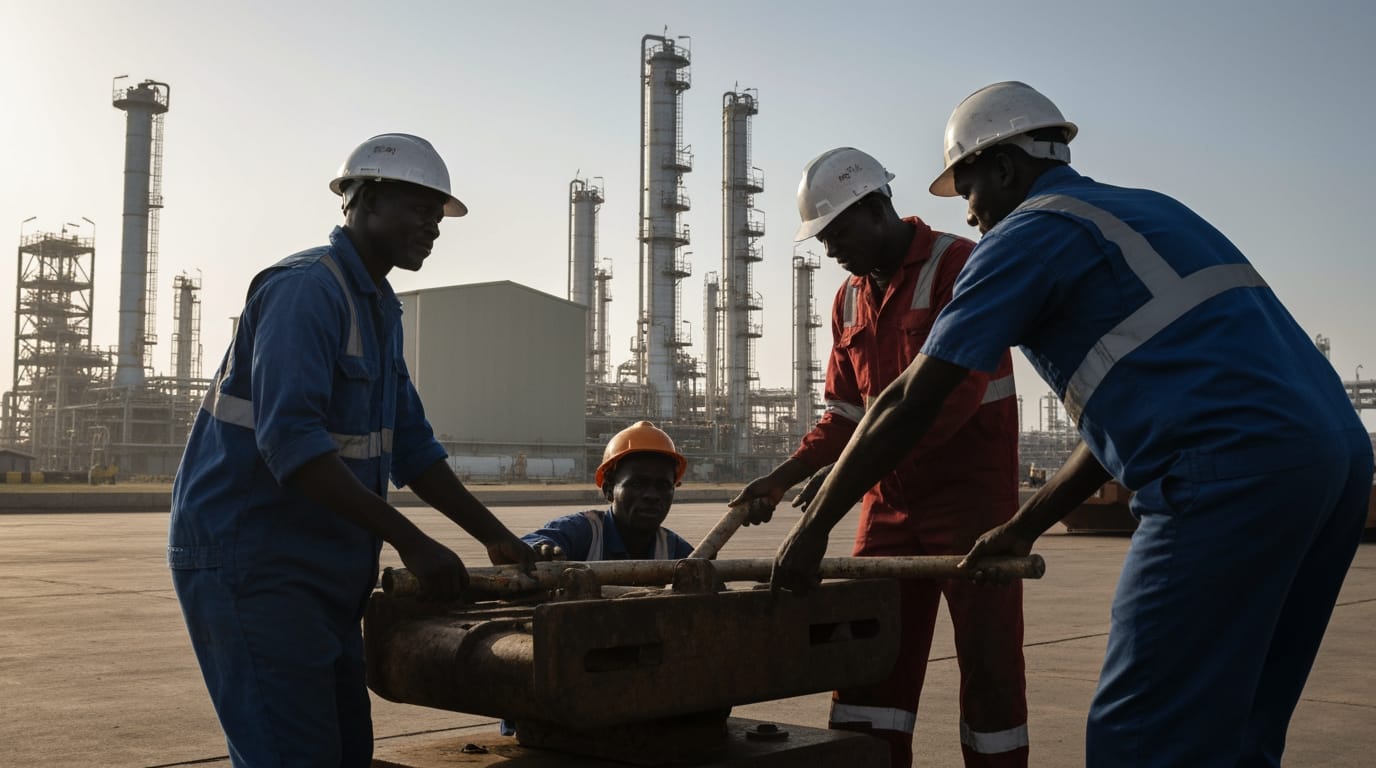
Lamu, Kenya – A transformative shift in East Africa's energy landscape is on the horizon as Nigerian industrialist Aliko Dangote confirms plans for a colossal new oil refinery on Lamu Island, Kenya. This ambitious project, expected to boast a processing capacity of 700,000 barrels per day (bpd), is poised to become East Africa's largest refinery and the continent's second-biggest, following Dangote's existing mega-refinery in Nigeria. With soil tests and initial engineering work already underway, and construction projected to span three to five years, this venture aims to dramatically reduce the region's heavy reliance on imported refined petroleum products, fostering energy security and economic self-sufficiency for Kenya and its neighbors.
For decades, Africa, despite its vast crude oil reserves, has remained largely dependent on external markets for refined fuels. This structural imbalance has exposed African economies to the volatility of global oil prices, logistical bottlenecks, and foreign exchange pressures. Dangote's strategic expansion into East Africa represents a concerted effort to reverse this trend, replicating the success seen in West Africa and positioning the continent for greater control over its energy destiny.
A New Dawn for East African Energy
The proposed refinery, strategically located on Lamu Island, is envisioned as a pivotal hub to serve not only Kenya but also Tanzania, Uganda, Ethiopia, South Sudan, Burundi, and even parts of the Democratic Republic of Congo. This region, home to over 400 million people, currently imports nearly 100% of its refined fuel requirements. The facility's substantial capacity, which will eventually make it East Africa's largest, is expected to meet the domestic demand of these nations, with potential for surplus exports. The decision to situate the refinery in Lamu, rather than a previously considered site in Tanzania, was influenced by commercial viability, robust infrastructure, and significant market demand in Kenya. Kenyan President William Ruto has indicated that regional governments are also expected to invest, with Kenya reportedly allocating KES 21.5 billion in seed capital towards the project, valued at approximately KES 2.5 trillion ($17 billion).
Drawing Lessons from the West African Precedent
The blueprint for success for the Kenyan venture can be largely found in the operational triumph of the Dangote Petroleum Refinery in Nigeria. Commissioned in May 2023 and beginning operations in January 2024, the Nigerian refinery, located in Lekki, Lagos, has quickly ramped up its processing capacity from an initial 650,000 bpd to an impressive 700,000 bpd. This facility, the world's largest single-train refinery, has fundamentally reshaped Nigeria's downstream oil sector.
Prior to its establishment, Nigeria, despite being Africa's largest crude oil producer, was almost entirely dependent on costly imported fuel. The Dangote Refinery has drastically reduced this reliance, nearing self-sufficiency for Nigeria's domestic fuel demand and generating a surplus for export to other African countries, Europe, and even the United States and Saudi Arabia. This has led to substantial foreign exchange savings for Nigeria, projected to be between $7 billion and $10 billion annually, and has improved the country's balance of payments. The refinery's operational efficiency and its contribution to Nigeria's energy independence were even cited as factors in S&P Global Ratings' upgrade of Nigeria's sovereign credit rating—the first in 14 years. The Nigerian experience provides a compelling case study for the profound economic and strategic advantages that a large-scale, domestically-owned refinery can bring to a developing economy.
Economic Reshaping and Regional Trade
The implications for East Africa are far-reaching. The construction and subsequent operation of the Lamu refinery are expected to generate thousands of direct and indirect employment opportunities, stimulating industrialization and attracting significant domestic and foreign investment. Beyond job creation, the refinery will foster stronger industrial linkages, encouraging the development of petrochemical industries and other ancillary services around its operations. For Kenya, this solidifies its position as a regional energy and logistics hub.
Moreover, the refinery will dramatically alter regional trade dynamics. By providing a local source of refined products, it will reduce the need for East African nations to import from distant suppliers, leading to lower transportation costs and a more stable supply chain. The facility's ability to supply Euro-V standard fuels will also raise the quality benchmark for petroleum products in the region, promoting better air quality. The shift from being net importers to potential net exporters of refined products will allow East African countries to retain more value within the continent, supporting the goals of the African Continental Free Trade Area (AfCFTA) by expanding intra-African trade in petroleum products. The Republic of Congo, for example, is already in talks with Dangote Petroleum Refinery for strategic fuel supply partnerships, signaling a broader regional shift towards African-led solutions.
Energy Security and Price Stability
East Africa's heavy reliance on imported fuel has rendered it particularly vulnerable to global geopolitical events and supply chain disruptions. The International Monetary Fund (IMF) has highlighted that smaller oil-importing economies in sub-Saharan Africa face the greatest risks from such disruptions, with higher fuel prices directly impacting transport, food, and business costs. The planned Lamu refinery offers a robust shield against these vulnerabilities. By securing a reliable, local source of refined petroleum, East African nations can significantly enhance their energy security, reducing exposure to volatile international prices and the vagaries of distant shipping routes, such as the Strait of Hormuz.
While the immediate impact on fuel prices might not be instant or direct due to complex factors like crude procurement costs and regional trading economics, the long-term effect is expected to be one of greater price stability. The Nigerian experience shows that local refining, by eliminating dependence on imported products and easing pressure on foreign exchange reserves, ultimately supports more stable domestic pricing. This newfound stability will be crucial for economic planning and for insulating consumers from the sharp, unpredictable increases that have historically plagued the region.
Challenges and Environmental Considerations
Despite its immense potential, the realization of the Kenyan refinery will undoubtedly encounter challenges. Securing the estimated $17 billion financing, maintaining a predictable regulatory environment, and ensuring a reliable crude oil supply are critical for its success. Large-scale projects of this nature often face operational hurdles, including skill gaps and infrastructure inefficiencies.
Environmental concerns also loom large. The construction and operation of such a massive industrial complex necessitate careful environmental management. Issues such as potential strain on local water supplies, disruption of biodiversity, and the impact of emissions on air and soil quality must be rigorously addressed. The Nigerian refinery, for instance, has been criticized for its substantial environmental implications, with some estimates suggesting a significant increase in national greenhouse gas emissions if carbon mitigation measures are not adopted. For the Lamu refinery, located near a UNESCO heritage site, careful attention to sustainable practices, robust waste management, water treatment technologies, and emission controls will be paramount to minimize ecological footprint and ensure community well-being.
A Continent on the Cusp of Self-Reliance
The proposed Dangote refinery in Kenya represents more than just an industrial project; it symbolizes East Africa's determined stride towards economic sovereignty and energy independence. While the Nigerian refinery has already demonstrated the profound impact of domestic refining on energy security and economic stability for West Africa, the Kenyan project extends this vision to a region historically vulnerable to external energy shocks. As the continent seeks to capture more value from its resources and strengthen intra-African trade, initiatives like the Dangote refineries are crucial catalysts. They pave the way for a future where Africa refines its own crude, fuels its own growth, and stands more resilient against global market fluctuations, propelling it towards a brighter and more self-reliant energy landscape.


